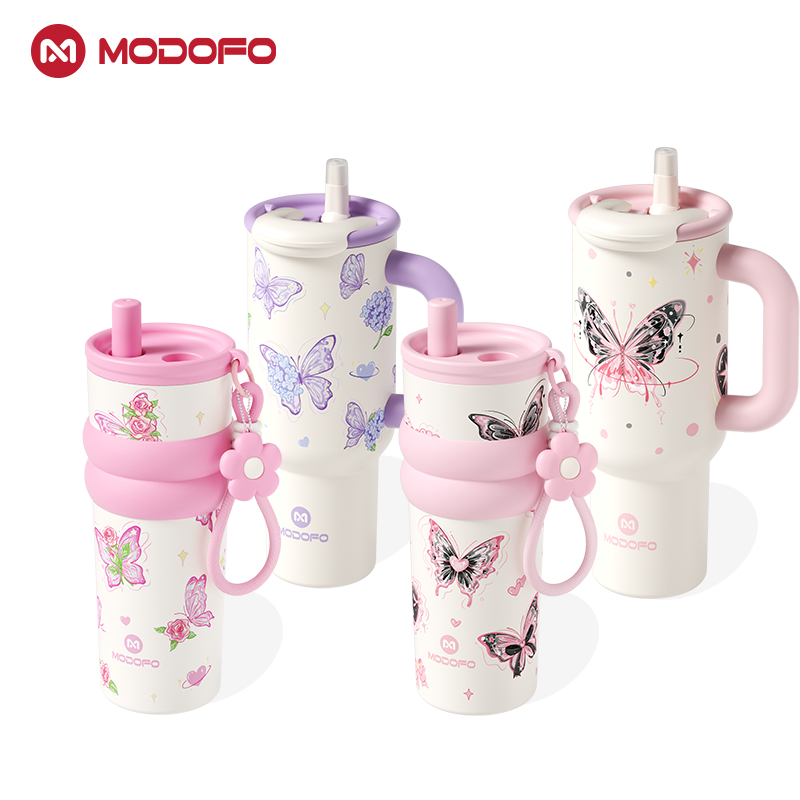


Modern parents are navigating a marketplace filled with claims about safety, durability, and health compliance. Among all the labels promoted on children’s drinkware, “BPA-free” has become the most recognizable badge of reassurance. But today’s consumer environment is more informed, and risk awareness is higher than ever. As a result, many families are beginning to question whether BPA-free is simply a baseline—rather than a true benchmark of safety.
This shift reflects a broader evolution: the expectation that drinkware should not only be free from individual compounds but engineered holistically for long-term safety, material integrity, and daily reliability. Understanding what lies behind the label is now essential.
1. BPA: The Compound That Changed Consumer Expectations
Bisphenol A (BPA) is a synthetic compound historically used to strengthen plastics and improve durability. For years, its presence in food-contact products was considered standard manufacturing practice. That assumption changed when research began to explore BPA’s potential effects on endocrine regulation.
These findings catalyzed public concern, prompting global regulatory bodies to tighten guidelines and manufacturers to redesign product materials. Parents learned quickly that BPA could leach into liquids—especially hot water—leading to widespread demand for safer alternatives. The “BPA-free” movement was born from this shift, turning a chemical compound into a household discussion topic.
2. The Oversight: BPA-Free Doesn’t Mean Chemical-Free
The market responded to BPA anxiety with “BPA-free” plastics. Yet the production gap was quickly filled by substitutes such as BPS (bisphenol-S) and BPF (bisphenol-F). Structurally, these compounds share similarities with BPA, and early studies indicate they may exhibit comparable bioactive behavior.
This means many BPA-free products still rely on materials within the bisphenol family. The label “BPA-free” delivers compliance, but not necessarily a comprehensive safety guarantee. As a result, parents have begun looking beyond single-chemical claims to evaluate material categories themselves—prioritizing options that do not rely on polycarbonate or bisphenol chemistry at all.
3. What Parents Actually Want: A Broader Definition of Safety
Consumer surveys show that modern families view safety as a composite of multiple expectations:
Predictable durability — products that withstand drops, heat, and long-term use.
Chemical stability — zero release of additives, even under varying temperatures.
Neutral flavor retention — no aftertaste, no odor accumulation.
Hygiene control — easy cleaning, fewer crevices where residue can accumulate.
Transparent manufacturing — clear disclosure of materials and standards.
Parents now consider safety as a full ecosystem rather than a single-material metric. A BPA-free label no longer delivers sufficient decision-making confidence.
4. Why Stainless Steel Is Becoming the Modern Standard
This shift has pushed families toward food-grade stainless steel, especially 304 (SUS304) and 316 (SUS316). These materials meet the elevated expectations of parents seeking stability, neutrality, and long-term trust.
Non-reactive composition: Stainless steel does not leach chemical compounds into beverages.
Temperature robustness: No structural degradation under hot or cold conditions.
Impact resilience: Far more durable than plastics or glass.
Corrosion resistance: Higher-grade stainless steels remain stable even with daily wear.
Odor control: No lingering smell or flavor from previous drinks.
These attributes position stainless steel as a category solution—not just a replacement material.
5. Insulated Kids Tumblers: The New Norm, Not a Luxury
As families adopt more active lifestyles, insulated tumblers have evolved from optional accessories to daily essentials for children. This shift is driven by functionality as much as by safety.
Stable drinking temperature improves comfort and reduces bacterial growth.
Leak-proof designs protect school bags and daily carry.
Durable materials reduce product turnover, improving both cost efficiency and environmental impact.
Hygiene-friendly construction minimizes cracks and seals where residue might collect.
Parents are no longer just buying drinkware—they are buying a predictable hydration system for school, travel, and home.
6. Safety Standards That Matter in 2025
To meet the expectations of modern families, drinkware must align with global benchmarks:
- Food-grade stainless steel (304 / 316)
- FDA / LFGB compliance for food-contact safety
- BPA-free, BPS-free, BPF-free certification
- Premium silicone instead of PVC-based components
- Tested coatings that resist peeling and remain inert with liquids
- Heat and cold performance standards for insulation products
When brands meet these standards transparently, parents gain the confidence they need to choose long-term products rather than temporary solutions.
7. The Future of Safe Drinkware: Beyond Today’s Standards
Material science is advancing rapidly, and drinkware is benefiting from that innovation. Over the next decade, several trends are expected to grow:
Advanced stainless steel grades with improved corrosion resistance.
Eco-based polymers that reduce dependency on synthetic plastics.
Higher-performance insulation structures that maintain temperature longer.
Next-generation food-grade coatings with stronger molecular stability.
Circular materials that integrate recycling without compromising safety.
Parents will continue to look for products where safety is engineered—not marketed.
Extended Section: How BPA-Free Drinkware Compares to Other Materials
As families look beyond the “BPA-free” label, material differences become significantly more strategic. A BPA-free plastic cup solves one problem—the removal of a specific bisphenol compound—but it does not redefine the overall performance envelope. When compared with other common drinkware materials, BPA-free plastic sits at a midpoint between affordability and safety, yet often falls short in durability, heat stability, flavor neutrality, and lifecycle sustainability. Understanding these distinctions helps clarify why stainless steel and insulated designs are increasingly favored by modern parents.
Comparison of Drinkware Materials Used in Children's Products
| Category | BPA-Free Plastic | Food-Grade 304 Stainless Steel | Food-Grade 316 Stainless Steel | Glass | Silicone Cups |
|---|---|---|---|---|---|
| Chemical Safety | Free of BPA, but may contain BPS/BPF substitutes | Non-reactive; stable across temperature range | Superior corrosion & chemical stability | Chemically inert | Chemically stable but may retain odors |
| Temperature Resistance | Moderate; may deform with heat | High; retains structure with hot liquids | Higher; optimized for heat, salt, and acidity | High but can shatter due to thermal shock | Moderate; not ideal for boiling liquids |
| Durability | Scratch-prone; limited lifespan | Highly durable | Exceptional durability | Fragile; risk of breakage | Flexible but prone to wear over time |
| Taste & Odor Retention | May absorb flavors | Neutral | Neutral | Neutral | May absorb & retain aromas |
| Ease of Cleaning | Can develop micro-scratches | Easy; smooth non-porous surface | Easy; more resistant to residue | Easy; but breakage risk during handling | Easy; but can trap odors |
| Environmental Impact | Medium; recyclable but often down-cycled | Long lifecycle; recyclable | Long lifecycle; recyclable | Highly recyclable | Medium; silicone recycling is limited |
| Price Positioning | Low | Mid-range | Premium | Mid-range | Low–Mid |
| Typical Use Cases | Budget-friendly kids’ cups | Daily-use kids’ tumblers | Premium kids’ tumblers; extended durability | Home use | Toddlers, soft-squeeze feeding cups |
BPA-free plastic remains a viable option for low-temperature, short-term usage. However, stainless steel—especially 304 and 316 grades—offers significantly stronger performance across safety, durability, and lifecycle quality. These grades do not rely on bisphenol chemistry at all, eliminating concern around BPA substitutes such as BPS or BPF. For parents who prioritize long-term consistency and reduced material risk, the shift toward metal drinkware reflects a broader preference for engineered stability rather than minimal compliance.
Sources
• U.S. Food & Drug Administration — Food Contact Materials Guidelines
• European Food Safety Authority (EFSA) — Chemical Safety Assessments on BPA and BPA Substitutes
• Journal of Material Chemistry — Studies on Stainless Steel Food Contact Behavior
• Environmental Science & Technology — Research on BPS/BPF and endocrine activity
• ASTM Standards for Food-Grade Stainless Steel (304 & 316)
• Industry lifecycle analyses on plastics, glass, silicone, and stainless steel
Conclusion: BPA-Free Was the Start, Not the Finish
The “BPA-free” label marked an important step in consumer awareness, but today’s parents are operating with a wider lens. They want materials that remain stable, predictable, and transparent. They expect engineering that ensures safety beyond basic compliance.
In response, stainless steel and insulated drinkware have become the new baseline for families prioritizing health, daily reliability, and long-term sustainability. BPA-free may have started the conversation—but material science is what now defines it.
References
• Research on endocrine-disrupting chemicals from major public health journals
• FDA Food Contact Material Guidelines
• EU food safety documentation for stainless steel and plastics
• Studies comparing BPA, BPS, and BPF bioactivity
• Material science publications on stainless steel grades 304 & 316