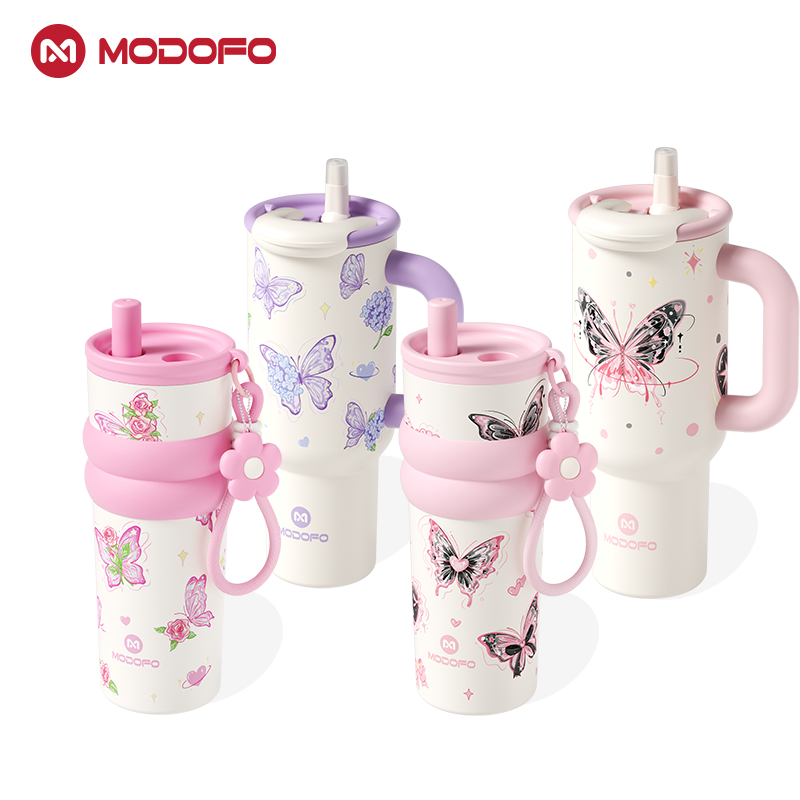

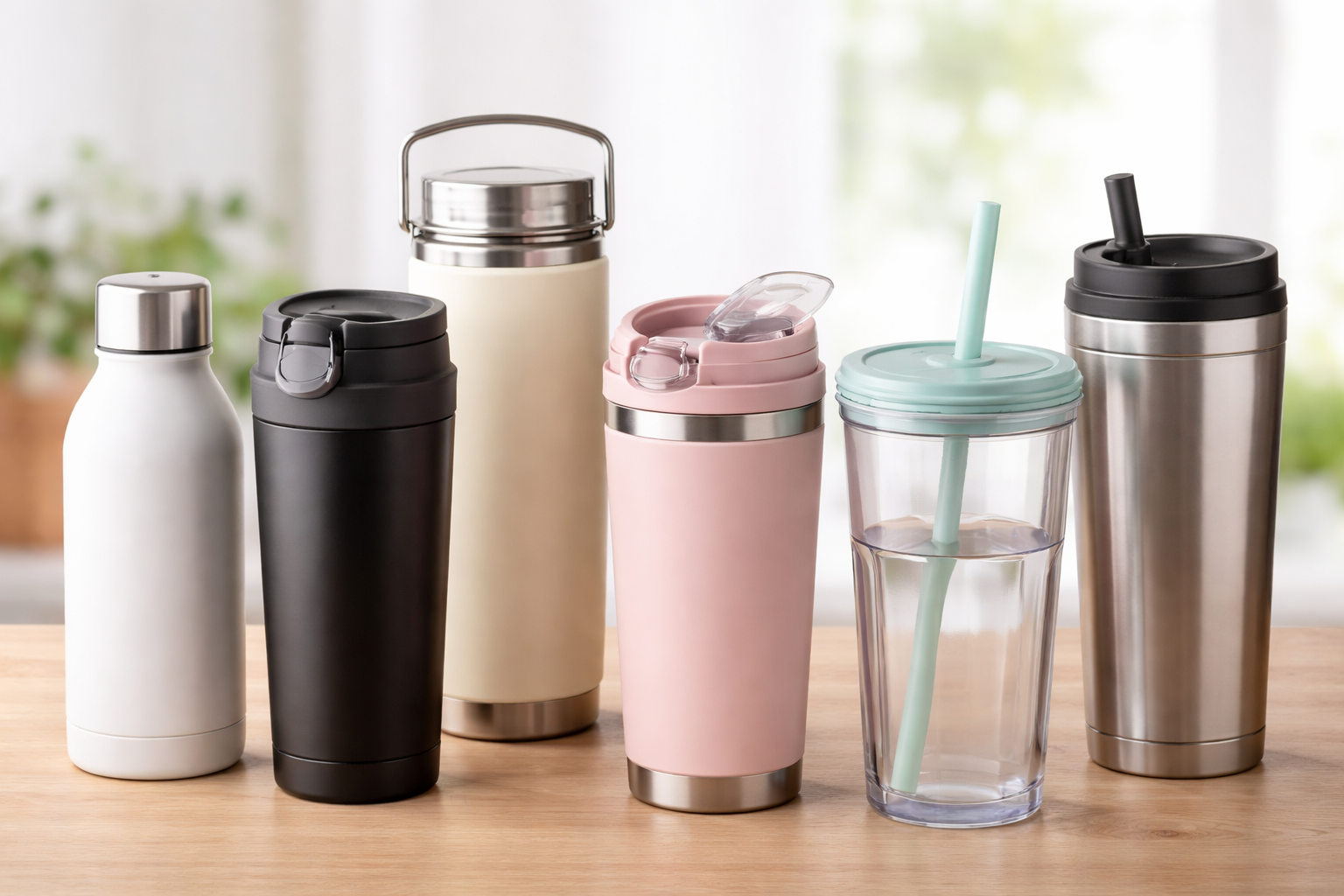
In today’s drinkware market, consumers rarely search for technical product names. They search for solutions. One of the most common solution-driven terms is “cap cup.”
At first glance, it sounds generic. In practice, it reflects a very specific expectation: a cup that can be closed, carried, trusted, and used across real-life scenarios.
A cap cup is not just a cup with a lid. It is a product category shaped by mobility, convenience, hygiene, and user behavior. And increasingly, it is the cap, not the cup body, that defines the product’s real value.
What Is a Cap Cup?
A cap cup broadly refers to any drinking cup designed with a functional lid or cap, as opposed to an open cup or traditional mug.
Unlike technical classifications such as tumbler, bottle, or mug, “cap cup” is a user-language term. Consumers use it when they want:
- Spill prevention
- Portability
- Better hygiene
- Temperature control support
From a search intent perspective, users are not asking what type of cup it is. They are asking whether it fits their lifestyle.
This is why “cap cup” appears frequently in searches related to commuting, office use, car travel, fitness, and family environments.
Why the Cap Matters More Than the Cup Body
In product development, the cup body determines material value.
The cap determines usage value.
Two cups can share the same stainless steel body, the same insulation performance, and the same capacity—yet deliver completely different user experiences based solely on the cap design.
From user feedback data and return reasons across the drinkware industry, most dissatisfaction comes from:
- Leaking lids
- Difficult cleaning
- Fragile hinge structures
- Poor sealing after repeated use
In other words, the failure point is rarely the cup. It is the cap.
Main Types of Cap Cups by Lid Structure
Screw Cap Cups
Screw caps focus on maximum sealing performance.
They rely on threaded engagement and silicone gaskets to create a tight seal.
Strengths
- High leak resistance
- Reliable for bags and backpacks
- Ideal for hot or cold liquids
Trade-offs
- Slower to open
- Less convenient for frequent sipping
Typical use cases
- Daily commuting
- Travel and outdoor use
- Car-mounted drinkware
Screw cap cups are often paired with stainless steel bodies and positioned as reliable, all-purpose solutions.
Flip Cap and Push Cap Cups
Flip-top and push-button caps are designed around speed and one-handed operation.
Strengths
- Quick access
- Better for active use
- Reduced interruption during work or movement
Trade-offs
- More moving parts
- Higher long-term failure risk
- Sealing depends heavily on precision design
These caps are common in office, fitness, and casual daily use products where convenience outweighs absolute leak-proofing.
Straw Cap Cups
Straw caps prioritize continuous, low-effort hydration.
Instead of opening and closing repeatedly, users drink through a fixed straw, which changes both behavior and expectations.
Advantages
- Highly convenient
- Popular among long-duration users
- Strong appeal in lifestyle and aesthetic-driven segments
Challenges
- Cleaning complexity
- Hygiene concerns
- Straw durability over time
Straw cap cups are often chosen not because they are the most secure, but because they fit specific usage patterns better than any alternative.
Hybrid and Modular Cap Systems
An emerging category is hybrid cap cups, where one cup body supports multiple interchangeable lids.
This approach offers:
- Scenario flexibility
- Higher perceived value
- Reduced need for multiple cups
From a commercial perspective, modular cap systems:
- Increase accessory sales
- Extend product lifecycle
- Improve customer retention
This is one reason premium brands invest heavily in lid ecosystems rather than just cup bodies.
How Cap Design Reflects User Needs
Consumers do not evaluate caps in isolation. They evaluate them in context.
The same cap can feel “perfect” or “unusable” depending on:
- Where the cup is used
- How often it is opened
- Whether it is carried or stationary
Key user priorities typically include:
- Leak prevention during movement
- Ease of cleaning
- Compatibility with cup holders
- Noise and smoothness during use
A well-designed cap cup aligns these priorities with the intended scenario instead of trying to satisfy all use cases at once.
The Relationship Between Cap Cups and Materials
Material choice amplifies the importance of the cap.
With stainless steel cups, especially those using 304 or 316 steel, the body is rarely the weak point. The lid becomes the system bottleneck.
Common issues include:
- Plastic caps degrading faster than steel bodies
- Silicone seals aging unevenly
- Heat expansion affecting seal performance
This is why higher-end drinkware products often:
- Reinforce cap structures
- Use replaceable gaskets
- Offer spare lids
In premium positioning, the cap is no longer an accessory. It is a critical component.
Cap Cups Across Different Lifestyles
Office and Desk Use
Users value:
- Spill resistance
- Quiet opening
- Comfortable sipping
Flip caps and low-profile lids perform best here.
Commuting and Car Use
Priorities shift to:
- One-hand operation
- Cup holder compatibility
- Absolute leak protection
Screw caps and hybrid designs dominate this segment.
Outdoor and Travel
Users demand:
- Structural simplicity
- Impact resistance
- Easy maintenance
Caps with fewer moving parts tend to perform better.
Family and Home Use
Key considerations include:
- Safety
- Easy cleaning
- Durability under frequent use
Straw caps and simplified flip lids are common, provided materials meet safety standards.
How to Evaluate a Good Cap Cup
From a practical standpoint, a good cap cup can be assessed through three core dimensions:
Sealing logic
Is the seal dependent on pressure, threading, or mechanical locking?
Opening path
Does the lid open intuitively without awkward angles or force?
Cleaning complexity
Can the cap be fully disassembled and reassembled without tools?
User reviews often reveal more about caps than marketing descriptions. Repeated mentions of leaks, smells, or broken hinges are reliable warning signs.
Market Trends: Where Cap Cups Are Headed
The cap cup category is evolving beyond basic functionality.
Key trends include:
- Modular lid systems
- Simplified internal structures
- Increased focus on long-term durability
- Caps as brand differentiators rather than afterthoughts
As consumers become more experienced with drinkware, expectations rise. A cup that looks good but fails at the lid level is quickly rejected.
Final Thoughts: Cap Cups Are Not Just “Cups with Lids”
In modern drinkware, the cup body defines the baseline.
The cap defines whether the product succeeds.
As lifestyles become more mobile and usage scenarios more fragmented, cap cups are no longer optional—they are the default expectation.