

How Everyday Life May Change by 2035
Introduction: The Future Arrives Quietly
When people imagine the future, they often picture flying cars, intelligent robots, or cities filled with futuristic technology.
Reality usually changes more quietly.
The future rarely appears all at once.
Instead, it enters our lives through small improvements that gradually become part of everyday routines.
A home that adjusts its lighting before sunrise.
A kitchen that helps reduce food waste.
A train journey transformed into productive work time.
Artificial intelligence assisting creativity instead of replacing it.
Neighborhoods designed around walking instead of traffic.
Many of these changes are already beginning.
The future is not waiting for us in 2035.
It is quietly becoming part of today.
The Home Will Become More Human
For years, smart homes focused on technology.
Voice assistants.
Connected appliances.
Automated lighting.
Remote controls.
The next generation of homes will focus less on technology itself and more on how people feel.
Homes will understand daily routines.
Lighting may gradually brighten to support natural waking.
Air quality will adjust automatically.
Rooms may change their function throughout the day.
A dining table could become a workspace in the morning, a family gathering place at dinner, and a creative studio in the evening.
The smartest homes of the future will not constantly demand attention.
They will quietly support healthier, calmer, and more comfortable living.
Technology will become nearly invisible.
Kitchens Will Become Centers of Well-Being
The kitchen has always been where families gather.
In the future, its role will become even more important.
Smart appliances may help reduce energy use.
Food storage could better preserve freshness.
Recipes may adapt automatically to dietary preferences.
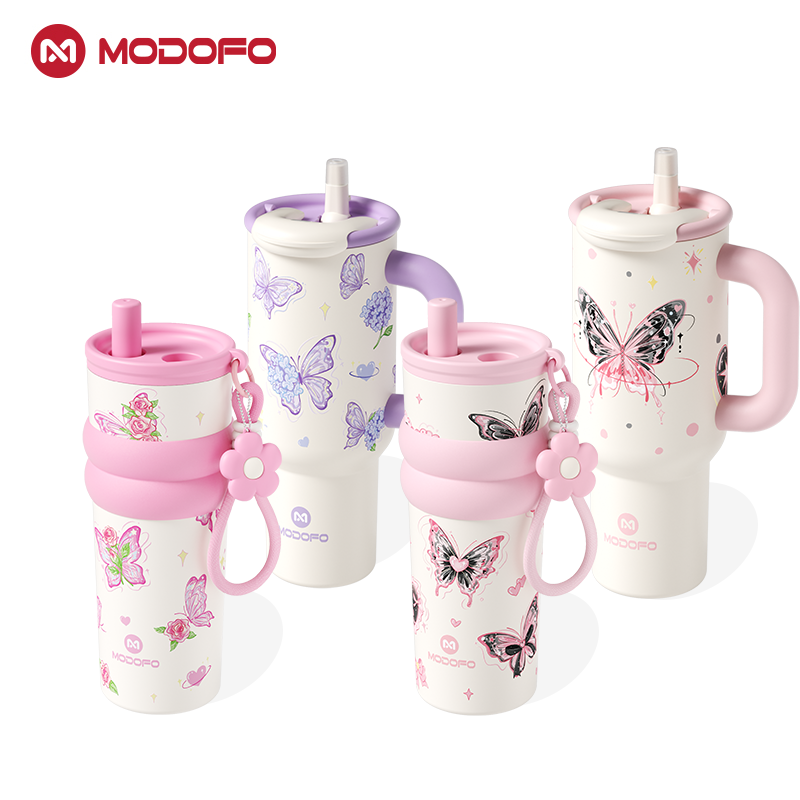
Reusable containers and thoughtfully designed drinkware will become everyday essentials rather than sustainable alternatives.
Yet the most meaningful change will not be technological.
More people will rediscover the joy of cooking together.
Preparing meals will become less about efficiency and more about connection.
The future kitchen will nourish relationships as much as it nourishes the body.
Work Will Happen Everywhere
The office is no longer a single location.
Work now moves between homes, cafés, coworking spaces, trains, airports, libraries, and parks.
By 2035, this flexibility will likely become even more natural.
Artificial intelligence will automate repetitive tasks.
People will spend more time solving problems, creating ideas, and building relationships.
Instead of asking where work happens, people will ask where they do their best thinking.
Productivity will increasingly depend on comfort, focus, and well-being rather than fixed schedules.
The future workplace will be wherever people feel inspired.
Mobility Will Be Designed Around People
Transportation is becoming more than a way to move.
It is becoming part of daily living.
Walking-friendly neighborhoods.
Safer cycling routes.
Cleaner public transportation.
Electric mobility.
Shared mobility services.
More flexible travel options.
Future cities may encourage people to move more naturally rather than simply moving more quickly.
The journey itself will become valuable.
Reading during a train ride.
Listening to music while cycling.
Enjoying coffee during a morning walk.
Mobility will support healthier lifestyles instead of simply saving time.
Communities Will Feel More Local Again
Technology connects the world.
Ironically, it is also encouraging people to rediscover local communities.
Neighborhood cafés.
Weekend farmers' markets.
Shared gardens.
Community libraries.
Outdoor events.
Walking groups.
People increasingly value places where they recognize familiar faces.
The future may become more global online while becoming more local in everyday life.
Technology cannot replace belonging.
Communities remain one of the strongest foundations of happiness.
Health Will Become Part of Everyday Design
Health will move beyond hospitals and fitness centers.
It will become part of ordinary environments.
Natural daylight.
Better ventilation.
Walkable neighborhoods.
Comfortable furniture.
Healthy kitchens.
Reusable bottles encouraging hydration.
Quiet spaces for relaxation.
Small design decisions repeated every day often have a greater impact than dramatic lifestyle changes.
The future of health is prevention rather than reaction.
Good design can quietly encourage healthier habits without requiring constant effort.
Education Will Become Lifelong
Learning will no longer end after graduation.
People will continuously develop new skills throughout life.
Artificial intelligence will make knowledge easier to access.
Online learning will become increasingly personalized.
Communities will share knowledge across generations.
Curiosity will become more valuable than memorization.
The future belongs to lifelong learners.
People who continue asking questions, exploring new ideas, and adapting to change will remain resilient in an evolving world.
Learning will become a lifestyle rather than a stage of life.
Technology Will Feel More Human
Technology succeeds when it becomes less noticeable.
The best innovations rarely demand attention.
They quietly remove friction from everyday life.
A reminder to drink water.
Lighting that supports better sleep.
Products that last longer.
Appliances that save energy.
Interfaces that feel intuitive.
Technology should simplify life rather than complicate it.
The future will not belong to machines that replace people.
It will belong to technologies that help people spend more time creating, connecting, and living.
Everyday Design Will Matter More Than Ever
The future will not be defined only by breakthrough inventions.
It will be shaped by the objects people touch every day.
The bottle carried to work.
The mug used every morning.
The notebook beside the bed.
The chair that supports long conversations.
The kitchen tools shared with family.
These everyday essentials quietly influence our routines.
Thoughtful design does not simply solve problems.
It helps create better habits, calmer spaces, and more meaningful experiences.
Great design makes everyday life feel just a little easier—and a little more enjoyable.
The MODOFO GLOBAL Philosophy
At MODOFO GLOBAL, we believe the future is built through everyday choices rather than extraordinary moments.
A reusable bottle that replaces countless disposable cups.
A coffee ritual that creates space for reflection.
A thoughtfully designed kitchen that encourages family meals.
A workspace that inspires creativity.
Products should not compete for attention.
They should quietly support healthier habits, meaningful relationships, and more comfortable living.
Because the future is not something we simply wait for.
It is something we shape every day through the choices we make and the lives we create.
Conclusion: The Future Begins Today
By 2035, technology will become smarter.
Cities will become more connected.
Homes will become more adaptive.
Work will become more flexible.
Communities will evolve.
Yet the most important question will remain surprisingly simple.
Will everyday life feel better?
The future is not defined by how advanced our technology becomes.
It is defined by how deeply it improves our humanity.
The best future is not one filled with more devices.
It is one filled with more time.
More creativity.
More health.
More connection.
More comfort.
More moments worth remembering.
Because tomorrow is built not through one extraordinary invention, but through millions of thoughtful choices made every single day.
The future isn't something we arrive at. It's something we quietly create through the way we live today.