

Why a Thoughtfully Designed Workspace Can Transform the Way You Live and Work
Introduction: Your Workspace Is More Than Just a Place to Work
Not long ago, a workspace was simply a functional necessity.
A desk.
A chair.
A computer.
As long as everything worked, the environment itself didn't seem to matter very much.
Today, our relationship with work has changed dramatically.
Hybrid work has become common.
Freelancers and creators are building careers from home.
Small businesses are growing from dining tables and spare bedrooms.
More people are discovering that where they work influences not only what they accomplish, but also how they feel throughout the day.
A workspace is no longer just where emails are answered or meetings take place.
It's where ideas are developed.
Projects begin.
Dreams gradually become reality.
Resetting your workspace isn't about buying expensive furniture or following social media trends.
It's about creating an environment that supports focus, creativity, comfort, and a healthier rhythm for everyday life.
Why Workspace Design Matters More Than Ever
For millions of people, work is no longer tied to a traditional office.
Many now split their time between home and the workplace, while others work entirely remotely or run their own businesses.
Designers sketch from home studios.
Writers draft articles from neighborhood cafés.
Photographers edit images in quiet apartments.
Developers build software from home offices.
This shift has made workspace design more important than ever.
Instead of thinking about a desk as a place to sit for eight hours, people are beginning to see it as part of their lifestyle.
A well-designed workspace can feel welcoming.
It encourages focus without feeling restrictive.
It supports creativity without becoming distracting.
Most importantly, it becomes a place people enjoy returning to every morning.
Your Workspace Should Feel Personal
One of the biggest changes in modern workspace design is the move away from generic office setups.
People are adding personality to the places where they spend so much of their time.
A favorite notebook sits beside the keyboard.
A framed travel photograph brings back good memories.
A ceramic coffee mug becomes part of every morning.
Books are stacked nearby for inspiration.
Artwork reflects personal interests.
A reusable water bottle stays within reach throughout the day.
These aren't decorations added for appearance alone.
They make the space feel familiar and comfortable.
A workspace should reflect the person using it—not simply follow the latest design trend.
The goal isn't perfection.
It's authenticity.
Let Natural Light Do the Heavy Lifting
One element appears repeatedly in inspiring workspaces around the world: natural light.
Desks positioned near windows often feel more inviting than those placed against blank walls.
Morning sunlight creates warmth.
Looking outside offers a welcome visual break during long periods of concentration.
Changing daylight throughout the day naturally reminds us to pause, stretch, and step away from the screen.
Even a small apartment workspace can benefit from thoughtful placement near a window whenever possible.
Good lighting doesn't just improve the appearance of a room.
It changes the atmosphere.
A bright space often feels more open, calmer, and more enjoyable to spend time in.
Plants Make a Workspace Feel Alive
Walk into almost any thoughtfully designed home office, and you'll probably notice at least one plant.
Sometimes it's a small succulent.
Sometimes it's a Monstera beside the desk.
Sometimes it's simply a vase filled with fresh flowers collected from a local market.
Plants add something technology never can.
Life.
They soften clean lines.
They introduce natural color.
They quietly remind us that growth happens gradually.
Caring for a plant also creates a small daily ritual.
Watering it.
Watching new leaves appear.
Turning it toward the sunlight.
These moments encourage people to slow down, even during busy workdays.
A Cleaner Desk Creates Space for Better Thinking
A productive workspace doesn't need to be filled with equipment.
Many people are moving toward simpler desks that contain only what they regularly use.
A notebook.
A pen.
A laptop.
A lamp.
A reusable tumbler.
Fresh coffee.
Everything else has its place.
This approach isn't about minimalism for its own sake.
It's about removing unnecessary distractions.
When the desk feels organized, it's often easier to focus on the task at hand.
A workspace doesn't need to look empty.
It simply needs to feel intentional.
Coffee Corners and Creative Breaks
Work isn't only about concentration.
Good ideas often appear during breaks.
That's why coffee corners have become a natural extension of many home workspaces.
Some people enjoy a compact espresso machine nearby.
Others prefer hand-brewed pour-over coffee.
Many simply keep a favorite mug and freshly roasted beans within easy reach.
Preparing coffee becomes more than making a drink.
It becomes an opportunity to step away from the screen.
To reset.
To breathe.
To return with fresh perspective.
The same applies to tea, infused water, or a reusable bottle filled before the workday begins.
Small rituals help divide the day into healthier, more sustainable rhythms.
Build a Workspace Around Your Own Rhythm
One of the greatest advantages of modern work is flexibility.
People no longer have to follow identical routines.
Some do their best thinking early in the morning.
Others become most creative after lunch.
Some enjoy complete silence.
Others work best with soft jazz or instrumental music in the background.
Rather than forcing yourself into someone else's routine, build a workspace that supports your own rhythm.
Perhaps your morning begins with coffee and planning.
Midday includes a short walk outdoors.
Afternoons are reserved for focused work.
Evenings become a time for reading, sketching, or reflecting on new ideas.
A thoughtful workspace adapts to these rhythms instead of interrupting them.
Every Creative Space Looks Different
Social media often presents beautifully styled workspaces that appear almost identical.
White desks.
Matching accessories.
Perfect shelves.
Spotless surfaces.
While these spaces are visually appealing, they don't have to become the standard.
A writer's workspace may be filled with books.
An illustrator may cover the walls with sketches.
A photographer may keep cameras within reach.
A traveler may display maps and souvenirs.
A coffee enthusiast may build a small brewing station beside the desk.
The most inspiring workspaces aren't copies of someone else's.
They're expressions of the people who use them every day.
Everyday Essentials Complete the Experience
Thoughtful workspaces are often supported by simple, reliable everyday essentials.
A comfortable chair.
A notebook ready for new ideas.
A quality desk lamp.
Noise-canceling headphones.
Fresh coffee.
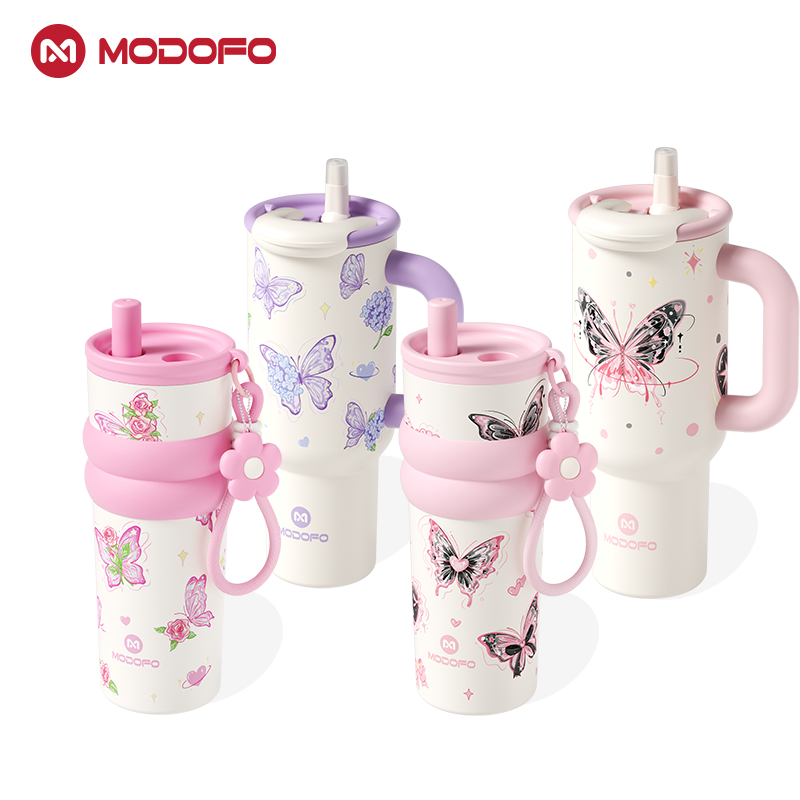
A reusable tumbler that keeps drinks at the right temperature.
A water bottle that encourages regular hydration throughout the day.
Indoor plants that bring life into the room.
None of these items guarantee creativity.
But together, they help create an environment where creativity feels more likely to happen.
Small details often have the greatest impact over time.
The MODOFO GLOBAL Philosophy
At MODOFO GLOBAL, we believe your workspace should support more than productivity.
It should support your lifestyle.
A favorite tumbler beside today's notebook.
Fresh coffee ready for the next creative session.
A reusable bottle that stays with you from morning meetings to afternoon walks.
Thoughtfully designed everyday essentials don't compete for attention.
Instead, they quietly become part of the routines that help you do your best work while enjoying the process along the way.
Because the most inspiring workspace isn't necessarily the most expensive one.
It's the one that feels comfortable enough to return to every single day.
Conclusion: Create a Workspace That Supports the Life You Want
Your workspace is more than furniture.
It's the environment where your days unfold.
Where ideas become plans.
Plans become projects.
Projects become achievements.
You don't need a larger office.
You don't need a designer renovation.
Sometimes all it takes is opening the curtains, adding a plant, clearing your desk, brewing a cup of coffee, and surrounding yourself with the tools that inspire your best thinking.
A thoughtfully designed workspace doesn't simply improve the way you work.
It improves the way you experience each day.
Because in a world where work has become part of home, the best workspace isn't one that demands more from you.
It's one that helps you feel calmer, think more clearly, and enjoy the rhythm of everyday life.
The best ideas rarely come from the busiest spaces—they grow in places that leave room for focus, creativity, and a little everyday comfort.