
Staying Hydrated Without Forcing Yourself to Drink Water All Day
Living in a hot climate has its advantages. Longer days, outdoor activities, tropical landscapes, and year-round warmth make life feel vibrant and active. However, one challenge that many people living in Southeast Asia, the Middle East, Australia, Latin America, and other warm regions share is staying properly hydrated.
Ironically, while people lose more water in hot weather, many also struggle to drink enough throughout the day.
The reason is surprisingly simple:
Many people don't dislike hydration—they dislike drinking plain water.
For some, water feels bland. For others, it is easy to forget. Many people naturally gravitate toward coffee, tea, flavored drinks, or juices because they provide a more enjoyable experience.
This raises an interesting question:
If hydration is important, do we really have to rely entirely on plain water?
The answer is more nuanced than many people think.
Let's explore why plain water often feels boring, how different beverages contribute to hydration, and how to build a sustainable hydration habit that actually fits your lifestyle.
The Hidden Hydration Challenge in Hot Weather
When temperatures rise, your body continuously loses water through several processes:
- Sweating
- Breathing
- Physical activity
- Exposure to sunlight
- Air-conditioned indoor environments
Many people assume dehydration only happens during exercise or outdoor activities. In reality, mild dehydration can develop gradually throughout the day without obvious warning signs.
You might experience:
- Afternoon fatigue
- Brain fog
- Difficulty concentrating
- Dry skin
- Headaches
- Reduced productivity
The challenge becomes even greater in tropical climates where heat and humidity persist for much of the year.
The body is constantly working to regulate temperature, which increases fluid requirements even when you're simply sitting at a desk.
Why So Many People Dislike Drinking Plain Water
If water is essential, why do so many people struggle to drink enough?
The answer often has less to do with health awareness and more to do with human behavior.
Water Doesn't Stimulate the Senses
Compared with coffee, tea, juice, or flavored beverages, plain water provides very little sensory stimulation.
There is:
- No sweetness
- No aroma
- No caffeine boost
- No strong flavor
From a psychological perspective, people naturally seek experiences that provide immediate satisfaction.
A cup of coffee offers aroma and energy.
Tea offers warmth and ritual.
Fruit drinks offer sweetness.
Water simply offers hydration.
While that makes water effective, it doesn't always make it appealing.
Habits Shape Preferences
Many drinking habits begin early in life.
People who grow up drinking:
- Sweetened beverages
- Soft drinks
- Sweet tea
- Flavored milk
may find plain water less enjoyable as adults.
Taste preferences are often learned behaviors rather than fixed traits.
The good news is that habits can also change over time.
Modern Life Makes Hydration Easy to Forget
Many office workers spend hours focused on screens, meetings, or deadlines.
As a result:
- They ignore thirst signals
- Delay drinking water
- Rely on coffee for energy
By the time thirst becomes noticeable, hydration levels may already be lower than ideal.
Does Every Drink Hydrate You Equally?
Not all beverages contribute to hydration in exactly the same way.
However, many drinks can still contribute to your daily fluid intake.
The key differences often involve:
- Sugar content
- Caffeine levels
- Calorie intake
- Electrolytes
- Overall consumption habits
Understanding these differences can help people make practical choices rather than viewing hydration as an all-or-nothing decision.
Coffee: Energy and Enjoyment With Some Trade-Offs
Coffee is one of the world's most popular beverages.
In many countries, it is deeply connected to work culture, social interaction, and daily routines.
Benefits of Coffee
Coffee offers several advantages:
Improved Alertness
The caffeine in coffee can help increase wakefulness and concentration.
This is why many people reach for coffee during:
- Morning routines
- Long workdays
- Study sessions
Enjoyment and Routine
Coffee often serves as more than a beverage.
It creates moments of:
- Relaxation
- Reflection
- Social connection
These rituals can improve overall well-being.
Limitations of Coffee
Coffee should not be viewed as a complete replacement for water.
Potential considerations include:
- Excessive caffeine may disrupt sleep
- Some people experience jitters
- Large amounts may increase discomfort in sensitive individuals
For most healthy adults, moderate consumption can comfortably fit within a balanced hydration routine.
Tea: A Balanced Alternative
Tea has been enjoyed across cultures for thousands of years.
For many people, tea offers an ideal balance between hydration and flavor.
Green Tea
Green tea is appreciated for:
- Light flavor
- Refreshing taste
- Lower calorie content
It pairs particularly well with warm climates.
Black Tea
Black tea offers:
- Stronger flavor
- Richer aroma
- Greater satisfaction for those who enjoy bold beverages
Herbal Tea
Herbal teas provide another interesting option.
Popular choices include:
- Chamomile
- Peppermint
- Lemongrass
- Ginger
- Hibiscus
Many herbal teas contain little or no caffeine, making them suitable for evening consumption.
Why Tea Works for Many People
Tea often encourages slower drinking.
The preparation process itself becomes part of a daily wellness ritual.
Rather than forcing hydration, tea makes hydration enjoyable.
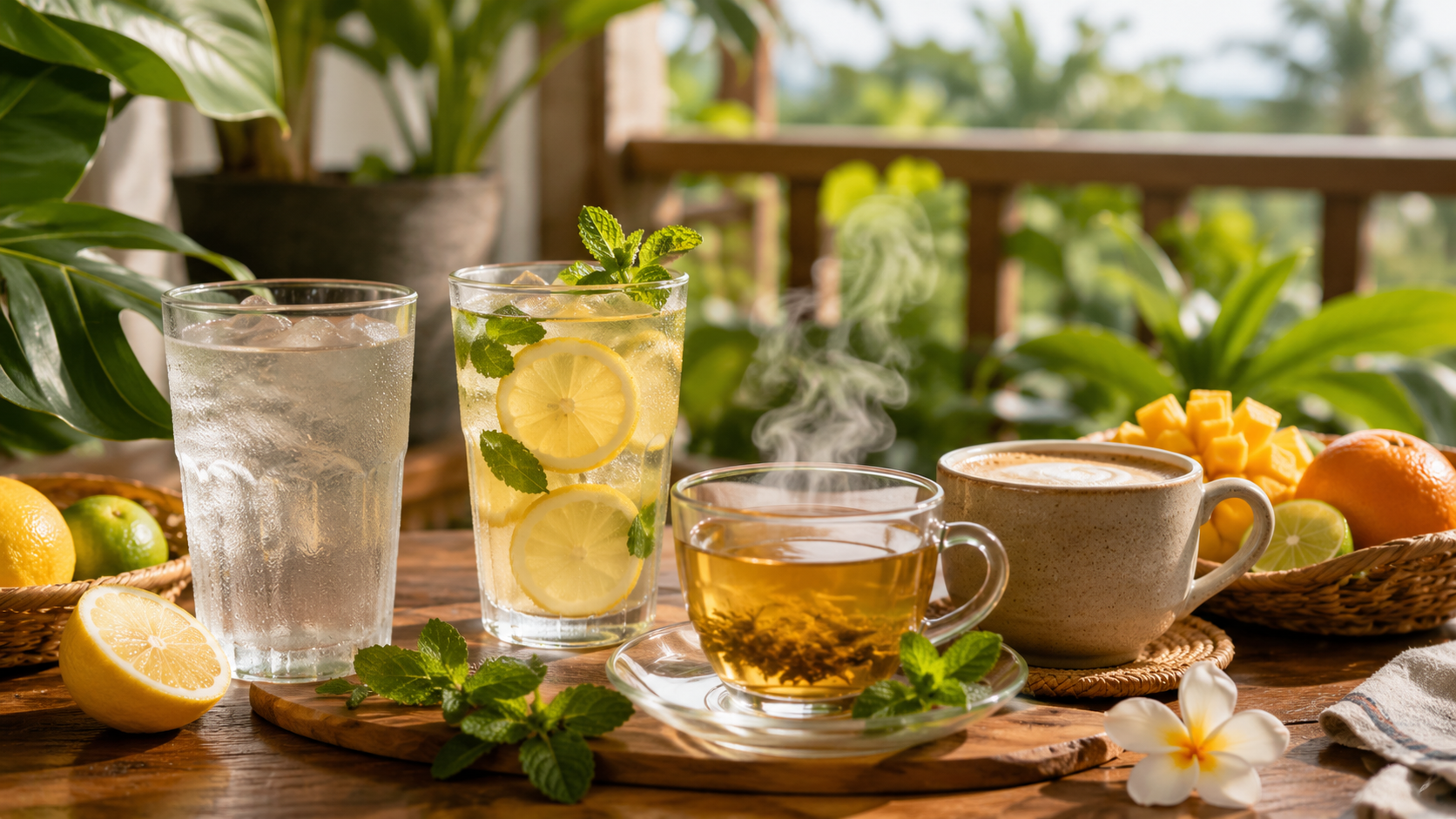
Fruit-Infused Water: Making Hydration More Appealing
One of the easiest ways to make water more interesting is by adding natural flavors.
Popular combinations include:
- Lemon and mint
- Orange slices
- Cucumber and lime
- Strawberries
- Pineapple
- Basil leaves
These additions create subtle flavor without significantly increasing calories.
For people who find plain water boring, infused water can become an effective bridge toward better hydration habits.
Sports Drinks: Useful in Specific Situations
Sports drinks often receive mixed opinions.
The reality is that they have a purpose—but not necessarily for everyone.
When Sports Drinks Can Be Helpful
They may be useful during:
- Long-distance running
- Endurance training
- Extended outdoor work
- High-intensity sports
In these situations, the body loses both fluids and electrolytes.
When They're Probably Unnecessary
For people spending most of the day:
- In offices
- At home
- In classrooms
plain water or tea is often sufficient.
Many sports drinks contain added sugars that may not be necessary for light daily activity.
Juice and Sweetened Drinks: Enjoy in Moderation
Juices are often perceived as healthy because they come from fruit.
While they can be enjoyable and contain certain nutrients, they also often contain concentrated natural sugars.
Sweetened beverages can contribute to hydration, but they are usually best viewed as occasional additions rather than primary hydration sources.
The goal is balance.
Enjoyment matters.
Moderation matters too.
What Matters More: Perfect Hydration or Sustainable Hydration?
Many people become trapped in an all-or-nothing mindset.
They believe:
- Water is perfect.
- Everything else is bad.
Reality is rarely that simple.
The best hydration strategy is often the one you can maintain consistently.
Consider two individuals:
Person A drinks only two glasses of water daily because they dislike it.
Person B drinks:
- Water
- Herbal tea
- Fruit-infused water
- Occasional coffee
and consistently reaches adequate fluid intake.
In practical terms, Person B may have the more sustainable hydration habit.
Consistency usually matters more than perfection.
A Practical Hydration Strategy for Hot Climates
For people living in tropical or warm environments, a balanced approach often works best.
Morning
Start with:
- One glass of water
- Warm tea
- Light herbal infusion
After a night's sleep, the body benefits from replenishing fluids early.
During Work Hours
Keep a reusable bottle nearby.
Alternate between:
- Water
- Unsweetened tea
- Infused water
Visible reminders often improve consistency.
Afternoon
This is when energy commonly drops.
A moderate coffee or tea can be enjoyable while still contributing to overall fluid intake.
During Exercise
Increase water intake according to activity levels.
Long workouts may require additional electrolyte replacement.
Evening
Choose beverages that support relaxation:
- Warm water
- Herbal tea
- Caffeine-free infusions
This can help create a calming evening routine.
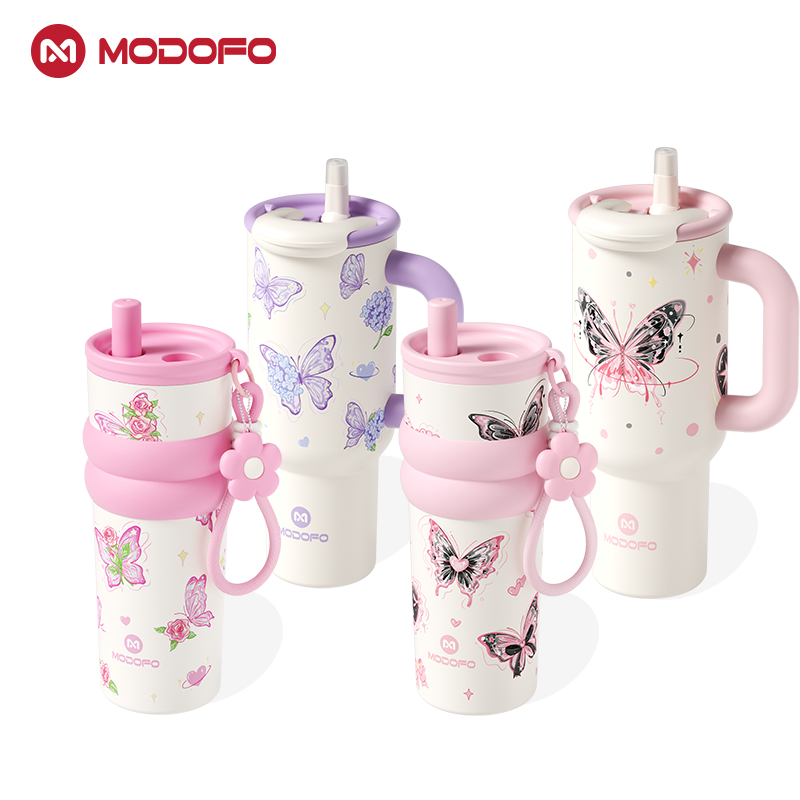
Choosing a Bottle That Encourages You to Drink More
One overlooked factor in hydration is convenience.
The easier it is to drink, the more likely people are to do it.
Different lifestyles often benefit from different bottle designs.
Office Workers
Often prefer:
- Portable sizes
- Elegant designs
- Easy-to-carry tumblers
A bottle that fits naturally into a workspace tends to be used more frequently.
Fitness Enthusiasts
Typically benefit from:
- Large-capacity bottles
- Durable construction
- Easy-grip handles
Frequent exercise generally increases fluid requirements.
Tea Lovers
May appreciate:
- Insulated bottles
- Tea infusers
- Temperature retention
These features support a more enjoyable tea-drinking experience throughout the day.
Students
Students often prefer:
- Lightweight designs
- Straw lids
- Convenient portability
Ease of use can encourage more frequent hydration during classes and activities.
Travelers and Commuters
For people constantly moving between locations, insulated bottles help maintain beverage temperature for longer periods.
This improves both convenience and drinking enjoyment.
The Future of Hydration Is About Enjoyment
The conversation around hydration is evolving.
People increasingly recognize that healthy habits succeed when they fit naturally into everyday life.
Hydration should not feel like a chore.
Whether you enjoy:
- Plain water
- Green tea
- Herbal tea
- Coffee
- Fruit-infused drinks
the goal remains the same:
Creating a routine that helps you stay refreshed, energized, and consistent.
Conclusion
Living in a hot climate means your body works harder to maintain balance.
Hydration plays an important role in supporting daily comfort, focus, and energy.
While plain water remains a simple and effective option, it is not the only beverage people enjoy throughout the day.
Tea can provide ritual and relaxation.
Coffee can offer enjoyment and alertness.
Infused water can make hydration more appealing.
The most effective approach is not necessarily drinking perfectly—it is building sustainable habits that fit your lifestyle.
Because in the long run, the best hydration strategy is the one you can happily maintain every day.
References & Further Reading
This article is intended for general educational and lifestyle information only and should not be considered medical advice. Individual hydration needs vary based on age, climate, activity level, and personal health circumstances.
For readers interested in learning more, the following organizations provide evidence-based information on hydration and nutrition:
- World Health Organization (WHO)
- U.S. National Academies of Sciences, Engineering, and Medicine (Dietary Reference Intakes for Water)
- Harvard T.H. Chan School of Public Health – The Nutrition Source
- Centers for Disease Control and Prevention (CDC)
- British Nutrition Foundation
- European Hydration Institute
- Academy of Nutrition and Dietetics
Additional insights in this article are informed by commonly discussed hydration habits, consumer behavior observations, beverage industry reports, and community experiences shared through public wellness, fitness, coffee, tea, and lifestyle forums. These examples are intended to illustrate everyday behaviors and should not be interpreted as clinical recommendations.