

Pendahuluan: Mengapa Hidrasi Terasa Lebih Sulit Daripada Seharusnya
Menjaga hidrasi adalah salah satu rekomendasi kesehatan paling dasar, yang diulang di berbagai budaya, iklim, dan gaya hidup. "Minum lebih banyak air" adalah nasihat sederhana—bisa dibilang kebiasaan kesehatan paling sederhana. Namun, bagi banyak orang, hal ini tetap sulit untuk diikuti secara konsisten.
Bukan berarti orang tidak memahami pentingnya hidrasi. Kebanyakan orang memahaminya. Mereka tahu bahwa hidrasi memengaruhi tingkat energi, konsentrasi, kesehatan kulit, dan kesejahteraan secara keseluruhan. Masalahnya terletak pada hal lain.
Masalah sebenarnya adalah hidrasi, meskipun kesederhanaannya, menjadi rumit tanpa perlu.
Beberapa orang mencoba mengikuti aturan ketat—delapan gelas sehari, jumlah liter tertentu berdasarkan berat badan, atau pengingat setiap jam. Yang lain mengunduh aplikasi untuk melacak setiap tegukan. Tetapi sistem ini sering gagal, bukan karena salah, tetapi karena menuntut terlalu banyak perhatian.
Hidrasi gagal bukan pada tingkat pengetahuan, tetapi pada tingkat pelaksanaan.
Kenyataannya sederhana:
Hidrasi tidak gagal karena sulit—gagal karena terlalu dipikirkan.
Mendesain rutinitas hidrasi yang lebih baik bukan tentang menemukan formula yang sempurna. Ini tentang membangun sistem yang berfungsi secara alami, konsisten, dan dengan sedikit usaha.
Masalah Sebenarnya: Terlalu Banyak Berpikir vs. Konsistensi
Jika Anda meneliti mengapa sebagian besar rutinitas hidrasi gagal, pola yang jelas akan muncul. Ini bukan kurangnya motivasi. Ini bahkan bukan kurangnya disiplin. Ini adalah beban kognitif.
Kelebihan Informasi
Tidak ada kekurangan nasihat hidrasi:
- Minum 2 liter sehari
- Minum setengah berat badan Anda dalam ons
- Minum sebelum Anda merasa haus
- Hindari minum terlalu banyak sekaligus
Meskipun setiap nasihat mungkin valid secara terpisah, bersama-sama nasihat tersebut menimbulkan kebingungan. Alih-alih menyederhanakan perilaku, nasihat tersebut meningkatkan upaya mental yang diperlukan untuk bertindak.
Ketika suatu kebiasaan membutuhkan perhitungan yang konstan, ia berhenti menjadi kebiasaan.
Jebakan Kesempurnaan
Banyak orang menetapkan target yang tepat:
- "Saya harus minum tepat 2,5 liter hari ini"
- "Saya gagal jika hanya mencapai 80%"
Ini menciptakan pola pikir "semua atau tidak sama sekali". Kehilangan target terasa seperti kegagalan, yang mengurangi konsistensi dari waktu ke waktu.
Pada kenyataannya, hidrasi bukanlah ujian. Ini adalah ritme.
Kurangnya Sistem
Mungkin masalah yang paling terabaikan adalah tidak adanya lingkungan yang terstruktur. Orang mengandalkan ingatan atau kemauan daripada merancang lingkungan mereka untuk mendukung kebiasaan.
Mereka mencoba untuk mengingat untuk minum air daripada membuatnya tidak dapat dihindari.
Prinsip Satu: Jadikan Hidrasi Otomatis, Bukan Disengaja
Kebiasaan paling efektif bukanlah kebiasaan yang kita pikirkan—kebiasaan tersebut adalah kebiasaan yang tidak perlu kita pikirkan sama sekali.
Penumpukan Kebiasaan
Salah satu cara termudah untuk menjadikan hidrasi otomatis adalah dengan menggabungkannya dengan tindakan yang sudah Anda lakukan setiap hari:
- Minum air segera setelah bangun tidur
- Minum air sebelum atau sesudah makan
- Minum beberapa teguk setelah kembali ke meja Anda
- Minum saat jeda alami (rapat berakhir, pergantian tugas)
Dengan menghubungkan hidrasi ke rutinitas yang sudah ada, Anda menghilangkan kebutuhan untuk mengingatnya secara terpisah.
Pemicu Visual
Apa yang Anda lihat memengaruhi apa yang Anda lakukan. Botol air yang diletakkan dalam jangkauan pandang Anda berfungsi sebagai pengingat pasif yang konstan.
Pertimbangkan untuk menempatkan botol di beberapa lokasi utama:
- Meja kerja Anda
- Meja samping tempat tidur
- Mobil
- Tas olahraga
Tujuannya sederhana: jadikan air selalu tersedia, selalu terlihat.
Mengurangi Gesekan
Bahkan ketidaknyamanan kecil dapat mematahkan kebiasaan. Jika minum air membutuhkan usaha—membuka tutup yang rumit, mengatasi kebocoran, atau mengisi ulang terlalu sering—Anda cenderung tidak melakukannya secara konsisten.
Botol yang dirancang dengan baik menghilangkan hambatan ini:
- Pengoperasian satu tangan yang mudah
- Aliran minum yang lancar
- Perlindungan kebocoran yang andal
Ketika gesekan rendah, tindakan menjadi alami.
Jangan mengandalkan ingatan—desain untuk visibilitas dan kemudahan.
Prinsip Dua: Sederhanakan Pertanyaan "Berapa Banyak"
Salah satu hambatan terbesar untuk hidrasi yang konsisten adalah terlalu banyak perhitungan.
Lupakan Angka Tepat
Meskipun panduan umum dapat membantu, terobsesi dengan pengukuran yang tepat seringkali menjadi bumerang. Anda tidak perlu melacak setiap mililiter untuk tetap terhidrasi dengan baik.
Faktanya, melakukan hal itu dapat mengubah kebiasaan sederhana menjadi tugas yang membosankan.
Gunakan Logika Wadah
Alih-alih menghitung asupan, beralihlah ke sistem yang lebih sederhana: hitung wadah, bukan volume.
Misalnya:
- Satu botol penuh = satu unit
- Targetkan untuk menghabiskan 2–3 botol per hari
Pendekatan ini mengurangi usaha mental dan memberikan gambaran visual yang jelas tentang kemajuan.
Keuntungan Kapasitas Lebih Besar
Menggunakan botol yang lebih besar memiliki manfaat praktis:
- Lebih sedikit pengisian ulang yang diperlukan
- Asupan yang lebih konsisten
- Pelacakan yang lebih mudah (satu botol sama dengan jumlah yang berarti)
Ini sangat berguna bagi orang dengan jadwal sibuk yang tidak ingin mengganggu alur kerja mereka berulang kali.
Ubah hidrasi menjadi sistem penghitungan, bukan masalah perhitungan.
Prinsip Tiga: Rancang untuk Gaya Hidup Anda, Bukan Idealis
Tidak ada rutinitas hidrasi universal yang cocok untuk semua orang. Sistem terbaik adalah sistem yang cocok dengan kehidupan sehari-hari Anda dengan mulus.
Rutinitas Kantor
Untuk pekerjaan berbasis meja:
- Letakkan botol dalam jangkauan tangan
- Pilih desain yang tenang dan tidak mencolok
- Hindari tutup yang membutuhkan usaha berlebihan
Tujuannya adalah untuk minum tanpa kehilangan fokus.
Rutinitas Aktif dan Berorientasi Kebugaran
Untuk latihan dan aktivitas luar ruangan:
- Kapasitas yang lebih besar bermanfaat
- Sedotan atau tutup akses cepat memungkinkan penggunaan satu tangan
- Bahan yang tahan lama menangani gerakan dan benturan
Hidrasi harus mendukung kinerja, tidak mengganggunya.
Gaya Hidup Saat Bepergian
Untuk bepergian atau perjalanan:
- Desain ringan dan portabel sangat penting
- Konstruksi anti bocor menjadi prioritas
- Pilihan membawa yang mudah meningkatkan kegunaan
Botol yang tidak mudah dibawa tidak akan digunakan secara konsisten.
Rutinitas hidrasi terbaik adalah yang sesuai dengan hari Anda—bukan mengganggunya.
Prinsip Empat: Jadikan Menyenangkan, Bukan Beban
Konsistensi tidak hanya bergantung pada kenyamanan, tetapi juga pada kenikmatan.
Motivasi Estetika
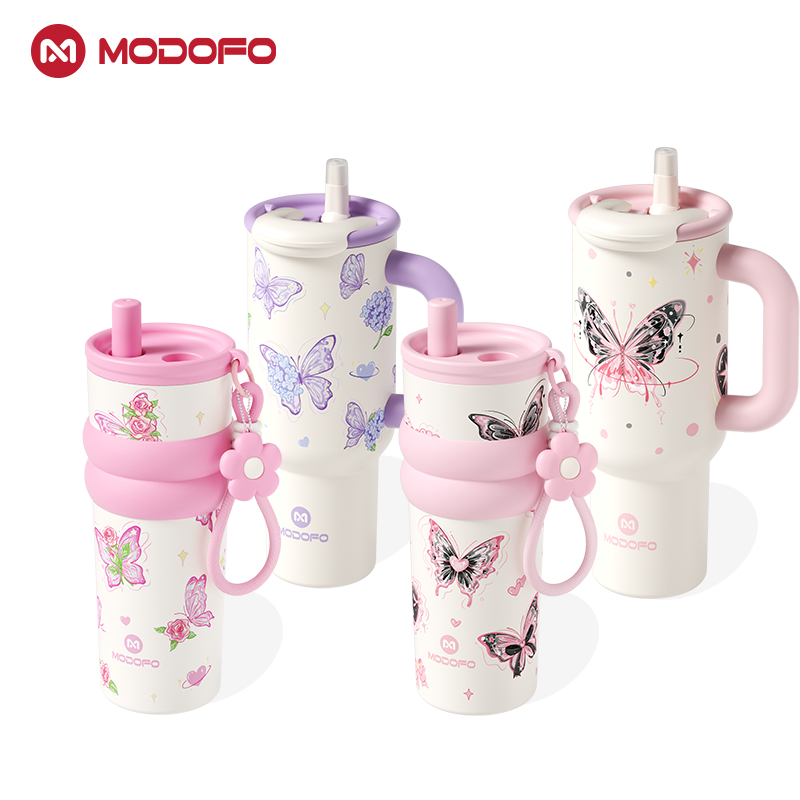
Orang cenderung lebih suka menggunakan objek yang mereka sukai. Botol yang menarik secara visual dapat secara halus meningkatkan frekuensi penggunaan.
Warna, hasil akhir, dan bentuk semuanya berkontribusi pada efek ini:
- Nada minimalis untuk ruang kerja yang bersih
- Warna lembut untuk kehadiran yang menenangkan
- Desain berani untuk ekspresi pribadi
Yang penting adalah ia terasa selaras dengan lingkungan Anda.
Pengalaman Sensorik
Detail kecil membentuk persepsi:
- Sensasi permukaan
- Kemudahan membuka dan menutup
- Kelancaran minum
Faktor-faktor ini memengaruhi apakah pengalaman terasa mudah atau menjengkelkan.
Preferensi Suhu
Beberapa orang lebih suka air dingin, terutama di iklim yang lebih hangat. Yang lain lebih suka air bersuhu kamar atau air hangat.
Botol yang menjaga suhu pilihan Anda menghilangkan hambatan lain untuk konsistensi.
Ketika minum air terasa enak, itu menjadi sesuatu yang secara alami Anda kembali lakukan.
Orang tidak berpegang pada kebiasaan yang tidak mereka nikmati.
Kesalahan Umum yang Memutus Kebiasaan Hidrasi
Bahkan dengan niat baik, kesalahan tertentu dapat merusak konsistensi.
Ketergantungan Berlebihan pada Aplikasi
Pengingat dapat membantu pada awalnya, tetapi kebiasaan jangka panjang tidak boleh sepenuhnya bergantung pada notifikasi.
Menggunakan Botol yang Salah
Botol yang dirancang dengan buruk—sulit dibuka, mudah bocor, atau tidak nyaman dibawa—menciptakan resistensi.
Menetapkan Tujuan yang Tidak Realistis
Target yang terlalu ambisius seringkali menyebabkan kelelahan.
Memperlakukan Hidrasi sebagai Tugas
Ketika minum air terasa seperti kewajiban, akan lebih mudah untuk dihindari.
Kerangka Hidrasi Sederhana, Bebas Stres
Agar hidrasi dapat berkelanjutan, akan sangat membantu untuk mengurangi segalanya menjadi sistem yang sederhana dan dapat diulang.
Langkah 1: Pilih Botol yang Tepat
Pilih botol yang:
- Sesuai dengan rutinitas harian Anda
- Meminimalkan gesekan
- Terasa nyaman digunakan
Keputusan ini memiliki dampak yang lebih besar daripada yang disadari kebanyakan orang. Desain yang tepat dapat secara diam-diam mendukung kebiasaan sepanjang hari.
Langkah 2: Sandarkan pada Kebiasaan yang Sudah Ada
Gabungkan hidrasi dengan rutinitas yang sudah ada:
- Bangun pagi
- Makan
- Istirahat kerja
Ini menghilangkan kebutuhan untuk pengambilan keputusan aktif.
Langkah 3: Lacak Secara Longgar
Hindari pengukuran yang tepat. Sebagai gantinya:
- Hitung isi ulang
- Amati konsistensi umum
Tujuannya bukan kesempurnaan, tetapi kelangsungan.
Masa Depan Hidrasi: Lebih Sedikit Pelacakan, Lebih Banyak Integrasi
Masa depan hidrasi bukan tentang lebih banyak data—melainkan tentang lebih sedikit usaha.
Kita bergerak menuju sistem yang:
- Terintegrasi dengan mulus ke dalam rutinitas harian
- Mengurangi kebutuhan untuk pelacakan yang disadari
- Fokus pada pengalaman daripada metrik
Fitur pintar mungkin masih berperan, tetapi keberhasilannya akan bergantung pada seberapa tidak terlihat fitur tersebut.
Pada akhirnya, sistem hidrasi yang paling efektif adalah yang hampir tidak Anda sadari.
Kesimpulan: Hidrasi yang Berhasil adalah Hidrasi yang Bertahan
Rutinitas hidrasi yang lebih baik tidak hanya dibangun di atas disiplin. Ini dibangun di atas desain—lingkungan, alat, dan perilaku.
Pergeseran itu halus tetapi penting:
- Dari kontrol → ke kemudahan
- Dari presisi → ke konsistensi
- Dari usaha → ke kelancaran
Minum lebih banyak air bukanlah tujuan. Membuat hidrasi tanpa usaha adalah tujuannya.
Karena kebiasaan yang bertahan bukanlah kebiasaan yang kita paksakan—kebiasaan tersebut adalah kebiasaan yang sesuai secara alami dengan diri kita