
Tea is not just a beverage. It is a global ritual that connects people, traditions, and everyday moments.
Introduction: Tea Is More Than a Drink
Across the world, tea appears in many different forms.
In a quiet Chinese home, a small teapot sits on a wooden table as family members share a peaceful conversation.
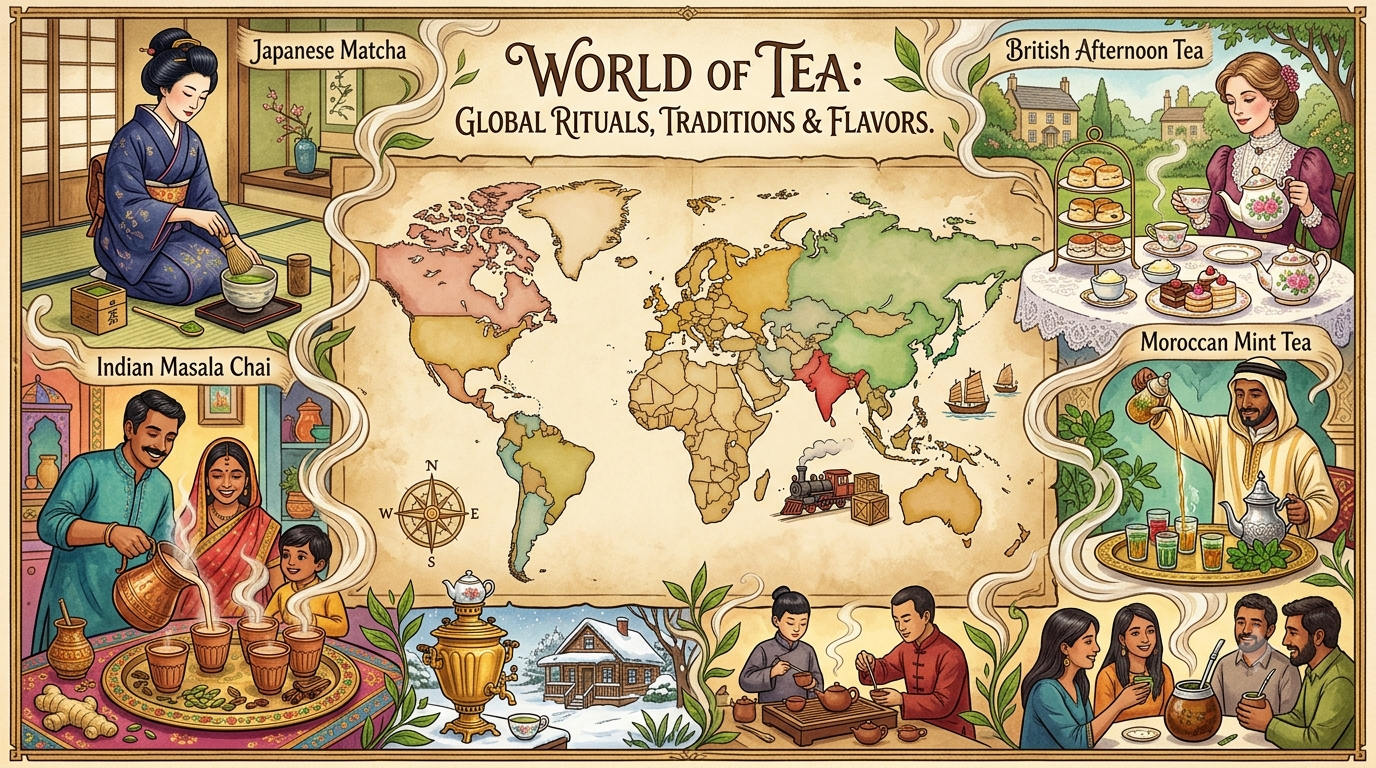
In Japan, a carefully prepared bowl of matcha represents attention, respect, and the beauty of the present moment.
In Britain, afternoon tea creates a social tradition where people gather around a table to talk and relax.
In Morocco, a glass of mint tea is offered to guests as a symbol of hospitality.
In South America, Yerba Mate is passed between friends as a shared ritual of connection.
The preparation methods may look completely different.
The flavors may vary greatly.
The tools and traditions may not be the same.
But behind these differences exists a common idea:
Tea creates a moment to slow down.
For thousands of years, tea has been more than a beverage. It has become a cultural language that expresses how people understand relationships, time, and everyday life.
Some cultures use tea as a way to seek balance.
Some use it to welcome guests.
Some use it as a moment of personal reflection.
Others use it as a reason to gather together.
Although every culture has developed its own tea traditions, they all share one powerful connection:
A simple cup of tea can turn an ordinary moment into a meaningful ritual.
The Global Journey of Tea Culture
How a Simple Leaf Became a Worldwide Tradition
Tea has traveled across continents for centuries.
Originally associated with ancient Chinese traditions, tea gradually spread through trade routes and cultural exchanges.
As tea moved from one region to another, each society adapted it according to its own lifestyle.
The result is a fascinating global collection of tea traditions.
The same basic ingredient — tea leaves — became completely different experiences:
- Chinese tea emphasizes harmony and appreciation.
- Japanese tea focuses on mindfulness and simplicity.
- British tea represents social connection.
- Moroccan tea expresses hospitality.
- Indian chai reflects everyday comfort.
- South American Yerba Mate celebrates community.
This transformation shows an interesting aspect of human culture:
People do not simply consume food and drinks.
They create meaning around them.
Tea became connected with:
- Family traditions
- Social relationships
- Personal routines
- Cultural identity
A tea ritual is often a reflection of the values of the people who created it.
Chinese Tea Culture: Tea as Balance and Harmony
A Tradition Built Around Appreciation
China is widely recognized as one of the earliest origins of tea culture.
For centuries, tea has been closely connected with philosophy, art, and daily life.
Traditional Chinese tea culture is not only about drinking tea.
It is about creating balance.
The process of preparing tea encourages people to slow down and pay attention.
The sound of boiling water.
The aroma of tea leaves.
The changing flavor through multiple infusions.
Every step creates a connection between people and the present moment.
The Philosophy Behind Chinese Tea
A central idea in Chinese tea culture is harmony.
Tea represents a balanced relationship between:
- People and nature
- Taste and simplicity
- Conversation and silence
Unlike modern lifestyles that often focus on speed and efficiency, traditional tea practices encourage patience.
A tea session is not rushed.
It creates space for observation and reflection.
This is why tea has historically been connected with:
- Literature
- Art
- Meditation
- Personal cultivation
Tea becomes a way to experience a quieter state of mind.
Tea in Everyday Chinese Life
Although traditional tea ceremonies are well known, tea is also part of everyday routines.
Tea may appear during:
Family Moments
A pot of tea after a meal creates an opportunity for conversation.
Social Visits
Offering tea to guests represents respect and welcome.
Business Meetings
Tea can create a more comfortable environment for communication.
In many situations, tea is not simply served.
It creates a relationship.
This reflects an important cultural idea:
Sharing tea is a way of sharing time.
Chinese Tea Characteristics
Different regions of China have developed unique tea traditions, including:
- Green tea
- Oolong tea
- Black tea
- White tea
- Pu-erh tea
Preparation methods also vary.
One popular approach is Gongfu tea, which focuses on:
- Small teaware
- Careful preparation
- Multiple brewing steps
- Attention to flavor changes
The purpose is not simply to drink more tea.
It is to appreciate the experience.
Japanese Tea Culture: The Art of Being Present
Tea as Mindfulness and Simplicity
Japan developed one of the world's most recognized tea traditions through the practice of tea ceremony.
Japanese tea culture, especially Matcha preparation, is deeply connected with mindfulness.
The famous concept of Ichigo Ichie describes the idea that every encounter is unique and should be appreciated.
Each tea gathering happens only once.
Each moment deserves attention.
The Meaning Behind Japanese Tea Ceremony
Japanese tea ceremony is not focused on luxury or complexity.
Instead, it values:
- Simplicity
- Respect
- Balance
- Awareness
Every movement has purpose.
Preparing tea.
Serving tea.
Receiving tea.
Even the smallest actions become meaningful.
This reflects a broader Japanese aesthetic philosophy:
Finding beauty in simple moments.
Matcha and Modern Lifestyle
Although traditional tea ceremonies remain important, matcha has also become popular worldwide.
Today, matcha represents a connection between tradition and modern lifestyle.
People enjoy matcha in:
- Cafés
- Workspaces
- Homes
- Wellness routines
The popularity of matcha shows that ancient traditions can continue to evolve.
The meaning remains similar:
Creating a moment of calm in a busy world.
British Tea Culture: Tea as Social Connection
The Tradition of Afternoon Tea
When many people think about British tea culture, afternoon tea often comes to mind.
Developed during the 19th century, afternoon tea became an important social tradition.
It introduced a different way of experiencing tea.
Rather than focusing only on the beverage itself, tea became connected with gathering.
People came together around:
- Tea
- Conversations
- Snacks
- Shared moments
The Social Meaning of British Tea
British tea culture highlights connection.
A cup of tea can represent:
- A friendly conversation
- A relaxing break
- A moment of hospitality
Unlike fast-paced coffee consumption, traditional tea moments often encourage people to stay longer.
Tea creates a comfortable environment where communication happens naturally.
The purpose is not only drinking tea.
It is spending time together.
Tea as a Daily Comfort
For many people in Britain, tea remains part of everyday life.
A morning cup.
An afternoon break.
An evening drink.
These routines create familiarity.
In a changing world, simple habits can provide stability.
A small tea ritual becomes a personal moment of comfort.
Part 2 — From Hospitality to Community: How Tea Shapes Everyday Life
Moroccan Tea Culture: Tea as a Symbol of Hospitality
A Welcome Expressed Through a Cup
In Morocco, tea represents much more than a daily beverage.
It is a symbol of hospitality, friendship, and respect.
When guests arrive, serving tea is often an important part of welcoming them.
The preparation itself becomes a meaningful interaction.
The host prepares the tea carefully, pours it with attention, and shares it with visitors.
The message behind this tradition is simple:
You are welcome here.
The Tradition of Moroccan Mint Tea
Moroccan mint tea, often called “Moroccan whisky” in local expressions, is traditionally made with:
- Green tea
- Fresh mint leaves
- Sugar
- Hot water
The combination creates a refreshing balance between sweetness and herbal freshness.
However, the importance of Moroccan tea is not only in its flavor.
It is in the moment created around it.
Tea is often enjoyed while:
- Talking with family
- Meeting friends
- Welcoming travelers
- Sharing stories
The preparation and serving process reflects patience and generosity.
Tea as a Language of Hospitality
Many cultures use food and drinks to express kindness.
Moroccan tea culture demonstrates this clearly.
Offering tea communicates:
- Respect
- Openness
- Friendship
A guest is not simply receiving a drink.
They are participating in a cultural tradition.
This idea appears in many tea cultures around the world:
Tea creates a bridge between people.
Indian Tea Culture: Chai as Everyday Comfort
The Tea That Belongs to Everyone
In India, tea is deeply connected with everyday life.
Unlike some tea traditions that focus on formal ceremonies, Indian chai culture is often simple, accessible, and part of ordinary routines.
Chai can be enjoyed:
- At home
- On busy streets
- During work breaks
- With friends
- During conversations
It is a tea culture built around daily connection.
The Story Behind Masala Chai
Traditional Indian chai often combines:
- Black tea
- Milk
- Sugar
- Spices such as cardamom, ginger, or cinnamon
The exact recipe varies across regions and families.
Some prefer stronger flavors.
Some add different spices.
Some have their own personal preparation methods.
This flexibility is part of chai’s charm.
There is no single definition of the perfect chai.
It reflects personal taste and local traditions.
Chai and Everyday Social Life
One of the most recognizable parts of Indian tea culture is the relationship between chai and conversation.
A quick tea break can become:
- A workplace discussion
- A neighborhood gathering
- A moment with friends
Street chai vendors, often known as chai wallahs, are an important part of many communities.
They provide more than tea.
They create social spaces.
People gather, talk, and share everyday experiences.
In this way, chai represents a simple but powerful idea:
Small daily moments create strong connections.
South American Tea Culture: Yerba Mate and Shared Moments
A Different Kind of Tea Ritual
While South America is widely known for coffee culture, another important beverage tradition exists across countries such as:
- Argentina
- Uruguay
- Paraguay
- Southern Brazil
This tradition is Yerba Mate.
Although technically made from a different plant than traditional tea, Yerba Mate plays a similar cultural role.
It represents:
- Connection
- Friendship
- Community
- Shared experiences
Mate Is More Than a Beverage
One of the unique aspects of Yerba Mate culture is the way people share it.
Traditionally, Mate is prepared in a special container and enjoyed through a metal straw called a bombilla.
The drink is often passed between people.
This creates a social ritual.
Sharing Mate means sharing time.
It creates opportunities for:
- Conversations
- Relaxation
- Friendship
Unlike many modern beverages designed for individual consumption, Mate emphasizes togetherness.
The Meaning Behind Sharing Mate
In many South American communities, offering Mate is a gesture of connection.
It can represent:
- Friendship
- Trust
- Belonging
The ritual itself matters as much as the drink.
This connects with a broader global pattern:
Across cultures, beverages often become symbols of human relationships.
What Global Tea Cultures Have in Common
Different Traditions, Similar Human Needs
At first glance, tea cultures around the world seem completely different.
The preparation methods vary.
The tools are different.
The flavors are unique.
But when we look deeper, many traditions share the same values.
1. Tea Creates a Pause in Daily Life
Modern life often moves quickly.
People are constantly connected to:
- Technology
- Work
- Information
- Responsibilities
Tea creates a small interruption.
A moment to slow down.
Whether it is:
A Chinese tea session.
A Japanese matcha ceremony.
A British afternoon tea.
A Moroccan mint tea gathering.
The purpose is similar:
Creating time for the present moment.
2. Tea Connects People
One of the strongest similarities across tea cultures is connection.
Tea appears during:
- Family gatherings
- Friend meetings
- Business conversations
- Guest visits
The drink itself creates an opportunity for interaction.
A simple question:
“Would you like some tea?”
Often means:
“Let’s spend some time together.”
3. Tea Reflects Local Values
Every tea culture expresses something about the society behind it.
China: Balance and Harmony
Tea represents appreciation, patience, and connection with nature.
Japan: Mindfulness and Respect
Tea represents attention, simplicity, and awareness.
Britain: Social Connection
Tea represents conversation and shared comfort.
Morocco: Hospitality
Tea represents welcome and generosity.
India: Everyday Energy
Chai represents warmth, accessibility, and daily connection.
South America: Community
Yerba Mate represents friendship and shared experiences.
Tea becomes a reflection of cultural identity.
The Differences Between Global Tea Traditions
Although tea cultures share common values, their expressions are unique.
| Culture | Main Focus | Tea Experience |
|---|---|---|
| China | Harmony and appreciation | Exploring flavor, balance, and conversation |
| Japan | Mindfulness and simplicity | Precision, respect, and presence |
| Britain | Social connection | Relaxed gatherings and conversations |
| Morocco | Hospitality | Welcoming guests and sharing moments |
| India | Daily comfort | Energy, warmth, and community |
| South America | Friendship | Shared rituals and connection |
These differences demonstrate the flexibility of tea culture.
A single beverage can represent many different lifestyles.
Modern Tea Lifestyle: Bringing Global Rituals Into Everyday Life
Why Traditional Tea Habits Still Matter Today
Although many tea traditions are centuries old, their meaning remains relevant.
Modern people are increasingly searching for:
- Balance
- Personal routines
- Mindful moments
- Better daily habits
This explains why tea culture continues to grow globally.
People are not only looking for a drink.
They are looking for experiences.
Creating Your Own Tea Ritual
A meaningful tea moment does not require a formal ceremony.
It can happen anywhere.
At Home
A quiet morning tea can create a peaceful start to the day.
At Work
A short tea break can provide a mental reset.
While Traveling
A familiar drink can create comfort in unfamiliar places.
The ritual can be simple:
Choose a favorite tea.
Prepare it carefully.
Take a few minutes to enjoy it.
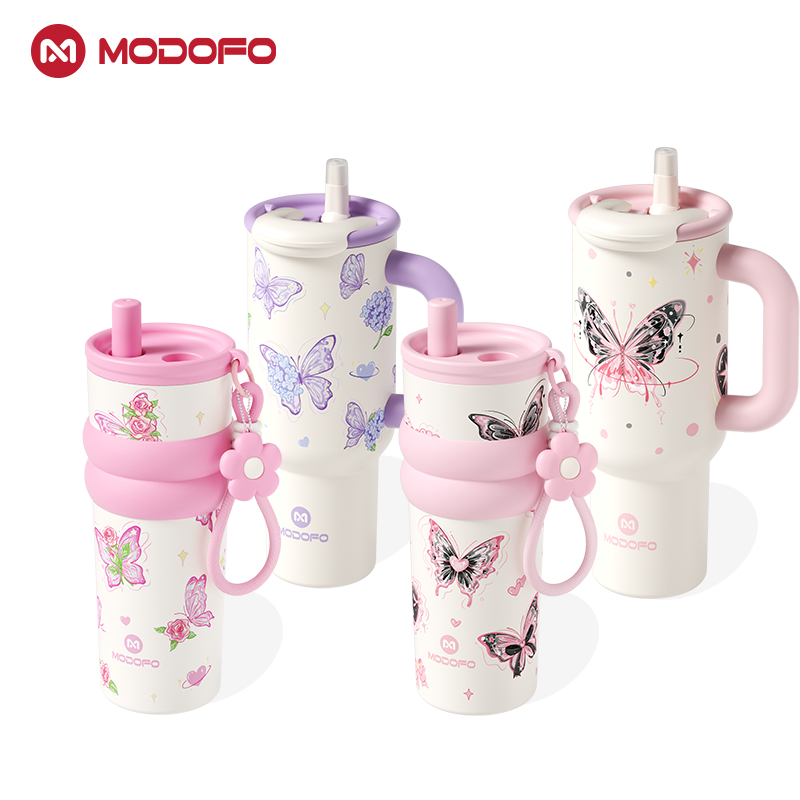
Tea and Modern Drinkware: Carrying Traditions Into Daily Life
As lifestyles become more mobile, people are finding new ways to maintain personal rituals.
Tea is no longer limited to traditional spaces.
People enjoy tea:
- During commuting
- While traveling
- Outdoors
- At the office
Modern drinkware allows these traditions to continue in new environments.
A well-designed bottle or tumbler helps people keep the experience of tea wherever they go.
The purpose is not replacing traditional tea culture.
It is helping people bring meaningful habits into modern life.
Conclusion: One Drink, Thousands of Stories
Tea has traveled across continents, generations, and cultures.
Yet its most important meaning remains surprisingly consistent.
Tea creates moments.
Moments of connection.
Moments of reflection.
Moments of comfort.
From Chinese tea houses to Japanese tea rooms.
From British afternoon gatherings to Moroccan hospitality.
From Indian chai streets to South American Mate circles.
Every culture has created its own way of enjoying tea.
But behind every tradition is the same human desire:
To slow down, connect with others, and appreciate everyday life.
A cup of tea is never only about the drink.
It is about the people, places, and memories created around it.
And that is why tea continues to remain one of the world’s most meaningful daily rituals.