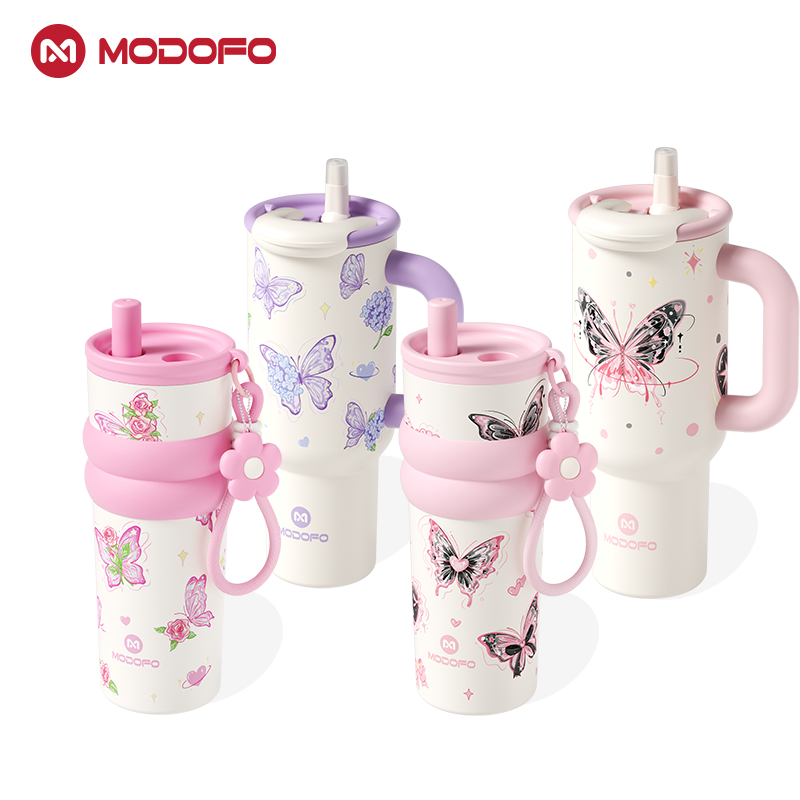


Most people choose drinkware based on appearance, insulation, or size.
Some prioritize color.
Others focus on portability.
Many simply buy whatever looks modern or trendy.
But one important factor is often ignored:
Different beverages interact differently with different materials.
A bottle that works perfectly for hot water may not be ideal for coffee.
A tumbler designed for tea may not be the best choice for carbonated drinks.
A sports bottle that works well for electrolyte beverages may affect flavor when used for fruit juice over long periods.
This does not mean certain materials are “dangerous” in normal daily use.
It means that good drinkware should match the chemistry, temperature, pressure, and drinking behavior of the beverage inside it.
That is the real difference between a generic bottle and a thoughtfully designed hydration system.
In this guide, we’ll explore:
- how beverages interact with materials
- which drinkware works best for tea, coffee, soda, juice, and sports drinks
- how lid design changes the drinking experience
- why structure can matter just as much as material
Because choosing the right bottle is not only about safety.
It’s about flavor, comfort, durability, and how naturally the product fits into your daily life.
Why Beverage Type Matters More Than Most People Think
Not all drinks behave the same way inside a bottle.
Different beverages vary in:
- acidity
- temperature
- pressure
- sugar content
- oils and aroma compounds
These factors influence:
- flavor retention
- odor absorption
- corrosion resistance
- cleaning difficulty
- drinking comfort
For example:
- coffee oils can leave strong odors behind
- tea can absorb metallic notes from lower-quality steel
- carbonated drinks create internal pressure
- acidic juice may react differently with certain metals over time
This is why a “one bottle fits everything” approach often fails in real-world use.
Understanding the Key Factors
Before comparing beverages, it’s important to understand the four major factors that influence drinkware performance.
1. Acidity
Acidic drinks include:
- soda
- sparkling water
- fruit juice
- sports drinks
- lemon water
Higher acidity can increase the likelihood of:
- flavor interaction
- metallic aftertaste
- material wear over time (especially with low-quality metals)
Premium materials like 316 stainless steel or glass are generally more resistant to acidic environments.
2. Temperature
Heat amplifies everything.
Higher temperatures can:
- intensify odors
- increase flavor absorption
- highlight material differences
This is especially important for:
- coffee
- tea
- hot water
3. Carbonation & Pressure
Carbonated beverages behave differently from still liquids.
They create:
- internal pressure
- gas expansion
- foaming during opening
Poorly designed lids or weak seals may struggle under these conditions.
4. Flavor Retention
Some beverages leave behind stronger residual flavors than others.
Examples include:
- coffee
- milk tea
- protein drinks
- fruit smoothies
Material and surface finish strongly affect how much odor remains after cleaning.
Tea Drinkware: What Works Best for Tea?
Tea is one of the most sensitive beverages when it comes to drinkware material.
This is because tea contains:
- delicate aromatic compounds
- tannins
- natural oils
Even small changes in flavor perception can affect the drinking experience.
Best Materials for Tea
1. Ceramic-Lined Drinkware (Best Overall)
Ceramic-lined bottles have become increasingly popular among tea drinkers.
Why?
Because ceramic creates a more neutral flavor experience.
Benefits
- minimal metallic taste
- smoother flavor profile
- excellent for delicate teas
Best For
- green tea
- floral tea
- premium loose-leaf tea
2. Glass
Glass is highly chemically stable.
It preserves flavor purity extremely well.
Advantages
- clean taste
- visually appealing
- easy flavor separation
Limitations
- fragile
- less portable
3. 316 Stainless Steel
High-quality 316 stainless steel performs very well for tea in portable situations.
Especially for:
- commuting
- office use
- travel
It offers strong corrosion resistance and durability.
What to Avoid for Tea
Lower-quality metal interiors may affect flavor perception over time.
This is especially noticeable with lighter teas.
Recommended Tea Drinkware Structures
Tea drinkers usually benefit from:
- sip lids
- tea infusers
- controlled flow openings
Tea is generally consumed slowly and thoughtfully.
The drinkware should support that rhythm.
Coffee Drinkware: Material Affects Taste More Than You Think
Coffee creates different challenges from tea.
It contains:
- oils
- strong aromas
- high temperature liquids
This combination makes material selection especially important.
Best Materials for Coffee
1. Ceramic-Lined Interiors (Best Taste Experience)
Ceramic-lined mugs are increasingly favored by coffee enthusiasts.
Why?
They reduce:
- metallic flavor interaction
- odor retention
They also create a smoother mouthfeel experience.
2. 304 or 316 Stainless Steel
These remain the most practical everyday solutions.
Advantages
- durable
- portable
- excellent insulation
Best For
- commuting
- office environments
- travel use
3. Glass
Glass provides excellent flavor neutrality.
However, it is less practical for mobility.
Why Coffee Drinkers Care About Lid Design
Coffee is usually consumed through sipping.
This makes lid design critical.
Good coffee lids should support:
- smooth flow
- splash control
- heat comfort
A poorly designed lid can ruin the experience even if the insulation is excellent.
Carbonated Drinks: The Most Misunderstood Category
This is one of the most important—and most misunderstood—topics in modern drinkware.
Carbonated beverages behave differently from almost every other drink.
They combine:
- acidity
- pressure
- gas expansion
This creates unique demands on both materials and structure.
Why Carbonated Drinks Require Special Consideration
1. Internal Pressure
When sealed inside a bottle:
- gas pressure builds over time
- temperature changes can increase pressure further
This may lead to:
- difficult opening
- sudden spray release
- leakage in poorly designed lids
2. Acidity
Most carbonated beverages are acidic.
Over time, acidic exposure can increase stress on lower-quality materials.
Best Materials for Carbonated Drinks
1. Glass (Excellent Stability)
Glass is extremely stable chemically.
It does not react easily with acidic beverages.
Best For
- sparkling water
- soda
- flavored carbonated drinks
2. 316 Stainless Steel
316 stainless steel offers stronger corrosion resistance than standard 304.
This makes it better suited for acidic beverages.
What to Avoid
Low-quality metals may be less suitable for prolonged acidic beverage exposure.
Copper containers should generally not be used with acidic drinks.
Why Straw Tumblers Make Sense for Soda Drinkers
This is where structure becomes just as important as material.
Carbonated drinks are acidic.
Frequent exposure of teeth to acidic beverages may contribute to enamel erosion over time.
Straw lids help by:
- reducing direct contact with teeth
- controlling flow
- slowing intake speed
This is one reason why straw tumblers are increasingly popular for cold beverages and soda-based drinks.
Fruit Juice & Acidic Drinks
Fruit juice introduces another challenge:
natural acids.
Examples include:
- citric acid
- vitamin C compounds
- fruit sugars
Best Materials for Juice
1. Glass
Best overall for flavor preservation.
2. Ceramic-Lined Bottles
Excellent for reducing odor absorption.
3. 316 Stainless Steel
Works well for portable daily use.
Why Cleaning Matters More with Juice
Juices can leave behind:
- sugar residue
- odor
- sticky buildup
Wide openings and removable lids improve cleaning significantly.
Hot Water: The Most Flexible Beverage Category
Hot water is surprisingly forgiving.
Unlike acidic beverages, it is chemically simple.
This means most quality drinkware materials perform well with it.
Good Materials for Hot Water
- stainless steel
- ceramic-lined interiors
- glass
- titanium
What Matters Most Here?
Not safety.
Experience.
Factors include:
- heat retention
- comfort while drinking
- exterior temperature control
- ease of carrying
Sports Drinks & Electrolyte Beverages
Sports drinks combine:
- acidity
- salts
- electrolytes
They are often consumed during active movement.
Best Materials
1. High-Quality Stainless Steel
Strong durability for active use.
2. Tritan Plastic
Popular for sports bottles because it is:
- lightweight
- impact-resistant
- practical during exercise
Structure Is Often More Important Than Material
This is one of the most important ideas in modern drinkware design.
Many people focus only on material.
But real-world experience is often shaped more by:
- lid design
- seal quality
- cleaning accessibility
- flow control
For example:
Coffee Odor Problems
Often caused by:
- lid seals
- silicone gaskets
Not the bottle body itself.
Soda Leakage Problems
Usually caused by:
- poor pressure handling
- weak seals
Not necessarily the material.
The Role of Lid Design
Lid structure changes the drinking experience dramatically.
Sip Lids
Best for:
- coffee
- tea
- office use
Straw Lids
Best for:
- cold beverages
- soda
- commuting
- driving
Wide Mouth Openings
Best for:
- sports drinks
- fast hydration
- outdoor activity
Dual-Lid Systems (Modern Trend)
Dual-lid bottles combine:
- sip-friendly drinking
- high-flow drinking
This flexibility is becoming increasingly valuable in modern lifestyles.
How to Choose the Right Drinkware for Your Beverage Habits
Here’s a simple framework.
Step 1: What Do You Drink Most Often?
- tea
- coffee
- soda
- juice
- water
Step 2: Hot or Cold?
Temperature affects structure needs.
Step 3: Mobility or Stationary Use?
Portable products require stronger durability and sealing.
Step 4: What Matters Most to You?
- flavor purity
- insulation
- portability
- convenience
- ease of cleaning
Brand Perspective: Drinkware Should Match Real Life
The best drinkware is not simply made from the “best” material.
It is designed for:
- the beverage
- the environment
- the behavior of the user
Good design considers all three.
1. Material Science Matters
Different drinks interact differently with surfaces.
2. Structure Shapes Experience
Lids and openings influence daily comfort.
3. Hydration Products Should Support Habits
The best bottle is the one that naturally fits your routine.
Final Thoughts
There is no single perfect drinkware material for every beverage.
Tea, coffee, soda, juice, sports drinks, and hot water all create different demands.
Some prioritize flavor.
Others prioritize portability.
Some require pressure handling.
Others depend on drinking comfort.
The goal is not to find the “ultimate” bottle.
It is to find the right combination of:
- material
- structure
- drinking style
- beverage compatibility
Because truly good drinkware does more than hold a drink.