
How Urban Heat, Humidity, Noise, and Daily Stress Quietly Drain Modern Energy
Modern cities are designed for movement.
People move between offices, trains, shopping centers, cafés, apartments, traffic, screens, and schedules almost every hour of the day. Life in large urban environments often feels fast, connected, and productive.
But in many parts of the world — especially tropical and high-temperature cities — there is another invisible layer shaping daily life.
Heat.
Not simply warm weather.
But the constant accumulation of:
- humidity
- concrete heat
- traffic heat
- crowded environments
- poor airflow
- overstimulation
- sleep disruption
- urban stress
Over time, these conditions create a form of fatigue many people struggle to explain.
It is not always dramatic.
Sometimes it appears quietly.
You wake up tired even after sleeping. Your energy drops heavily in the afternoon. Walking outside feels strangely exhausting. Your mood becomes shorter. Your focus disappears faster. Your body feels heavier in crowded places.
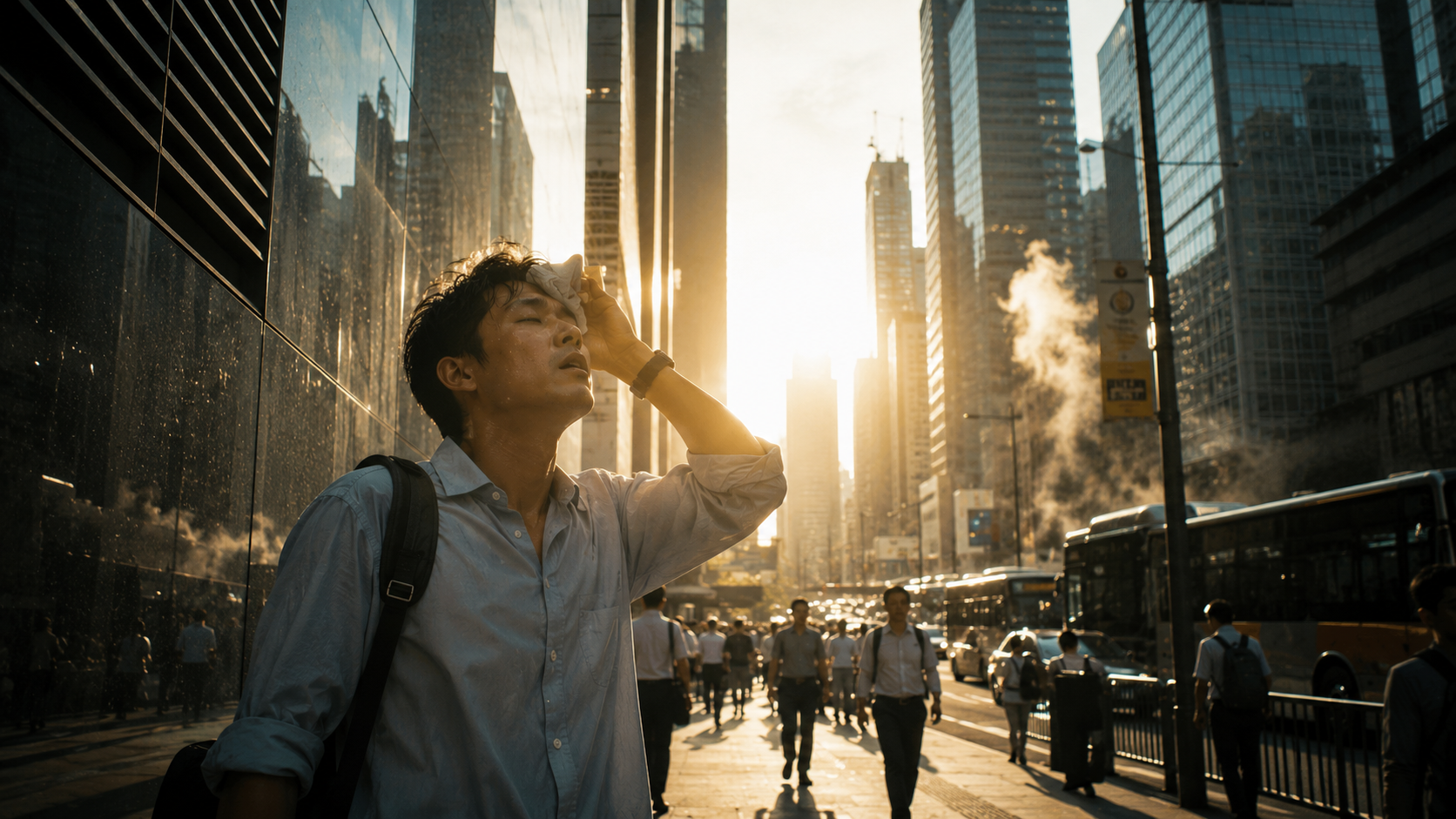
For millions of people living in cities like Kuala Lumpur, Bangkok, Manila, Jakarta, Singapore, or Ho Chi Minh City, this has become part of normal life.
But normal does not necessarily mean healthy.
Modern urban heat affects the body, mind, mood, and energy more deeply than most people realize.
Why Hot Cities Feel More Exhausting Than Natural Heat
There is an important difference between:
- natural outdoor heat
and - urban heat
Many people notice that beaches, forests, mountains, or coastal areas often feel more tolerable even when temperatures are high.
Meanwhile, cities can feel overwhelming despite similar temperatures.
This happens because cities create their own heat systems.
The Urban Heat Island Effect
Modern cities absorb and trap heat.
Concrete, asphalt, steel, and glass surfaces store sunlight throughout the day and slowly release that heat back into the environment.
This is called the Urban Heat Island Effect.
Several things make this worse:
- traffic congestion
- air-conditioning exhaust systems
- dense buildings
- lack of trees
- limited airflow
- crowded infrastructure
As a result, cities often remain hot even after sunset.
The body never fully cools down.
In some tropical cities, nighttime temperatures remain uncomfortably warm long after the sun disappears.
This constant exposure to heat slowly drains physical energy over time.
Why Humidity Makes City Fatigue Worse
Humidity changes how the body manages temperature.
The human body cools itself primarily through sweat evaporation.
When sweat evaporates, heat leaves the skin.
But in humid environments, the air already contains high levels of moisture.
This makes evaporation slower and less effective.
The result is familiar to anyone living in tropical cities:
- sticky skin
- damp clothing
- heavy body feeling
- constant sweating
- discomfort even without movement
The body continues trying to cool itself, but cooling becomes inefficient.
This means the body works harder throughout the day simply to maintain a safe temperature.
Even basic daily activities begin consuming more energy than people realize.
The Body Is Constantly Working in Hot Cities
One of the hidden problems with urban heat is that the body rarely gets a true recovery period.
During hot weather, the body continuously increases effort through:
- higher circulation
- increased sweating
- elevated heart rate
- fluid regulation
- temperature management
All of these systems require energy.
This is why people often feel tired after doing relatively small tasks in hot environments.
Walking for fifteen minutes under humid afternoon heat can sometimes feel more exhausting than a full workout in cooler weather.
The body is constantly adapting.
And adaptation itself consumes energy.
Why Commuting Feels So Draining in Hot Cities
Modern commuting is physically more stressful than many people realize.
Especially in tropical cities, commuting often includes:
- walking under direct sunlight
- crowded transportation
- waiting outdoors
- motorcycle traffic
- poor ventilation
- high humidity
- noise exposure
Even before arriving at work, the body may already be physically fatigued.
Many people begin their workday already overheated and mildly dehydrated.
This creates a chain reaction:
- lower concentration
- reduced patience
- slower productivity
- mental fatigue by afternoon
Urban life often feels exhausting not because of one major factor — but because of many small stressors happening continuously.
Mild Dehydration Is Extremely Common in Cities
Many urban workers live in a constant state of mild dehydration without realizing it.
In hot climates, the body loses water continuously through sweat.
But modern work habits often interrupt healthy hydration patterns.
People become distracted by:
- meetings
- traffic
- screens
- schedules
- long work hours
Many only drink water when they already feel thirsty.
But thirst is actually a delayed response.
Even mild dehydration can affect:
- energy
- mood
- concentration
- reaction speed
- mental clarity
This partially explains why afternoons in hot cities often feel mentally heavy.
Why Hot Cities Affect Mood and Emotional Energy
Heat does not only affect the body.
It also affects emotional regulation.
Research consistently shows that higher temperatures can increase:
- irritability
- stress sensitivity
- emotional fatigue
- frustration
- mental exhaustion
This becomes more noticeable in crowded urban environments where people already experience:
- overstimulation
- traffic stress
- noise pollution
- social pressure
- constant movement
In highly populated cities, the nervous system rarely gets complete rest.
The combination of heat and overstimulation quietly drains emotional energy over time.
Why Sleep Quality Drops in Hot Urban Environments
One of the biggest hidden causes of urban fatigue is poor sleep recovery.
The body naturally lowers its core temperature before deep sleep begins.
But hot environments interfere with this process.
Many people in tropical cities experience:
- sweating during sleep
- waking up frequently
- shallow sleep
- difficulty relaxing
- inconsistent rest quality
Even when people sleep for enough hours, recovery may still be incomplete.
Poor sleep gradually accumulates into daytime fatigue.
And because the process happens slowly, many people assume feeling tired has simply become part of adulthood.
Modern City Life Creates Constant Sensory Pressure
Urban fatigue is not caused by heat alone.
Cities constantly stimulate the human nervous system.
People are surrounded by:
- notifications
- traffic sounds
- advertisements
- crowded movement
- bright lighting
- screen exposure
- fast-paced schedules
The brain rarely enters deep recovery states.
In hot cities, this sensory overload combines with environmental discomfort.
This creates a unique kind of exhaustion:
people feel mentally tired even when physically inactive.
Why More People Are Prioritizing Comfort and Recovery
Because modern life is so demanding, people increasingly seek environments that feel calming and restorative.
There is a growing shift toward:
- slower evenings
- calmer homes
- breathable spaces
- minimal interiors
- soft lighting
- indoor plants
- comfortable routines
People are beginning to realize that recovery is not laziness.
It is necessary.
Especially in high-temperature cities where the body constantly works harder than expected.
Why Homes Are Becoming “Recovery Spaces”
In many tropical cities, homes are no longer viewed only as places to sleep.
They are becoming spaces for emotional and physical recovery.
Modern tropical lifestyle design increasingly emphasizes:
- airflow
- natural textures
- cooling materials
- quiet environments
- uncluttered layouts
- relaxation corners
This is partly why minimal and breathable home aesthetics continue growing in popularity.
People want homes that help the body relax after overstimulating urban days.
Small Comforts Matter More in Hot Cities
One interesting shift in modern lifestyle culture is the growing importance of small everyday comforts.
Things like:
- iced drinks
- evening tea
- breathable clothing
- cooling showers
- organized spaces
- insulated tumblers
- slower nighttime routines
may seem minor.
But together, they help regulate stress and improve comfort throughout the day.
In hot cities, comfort becomes deeply connected to wellbeing.
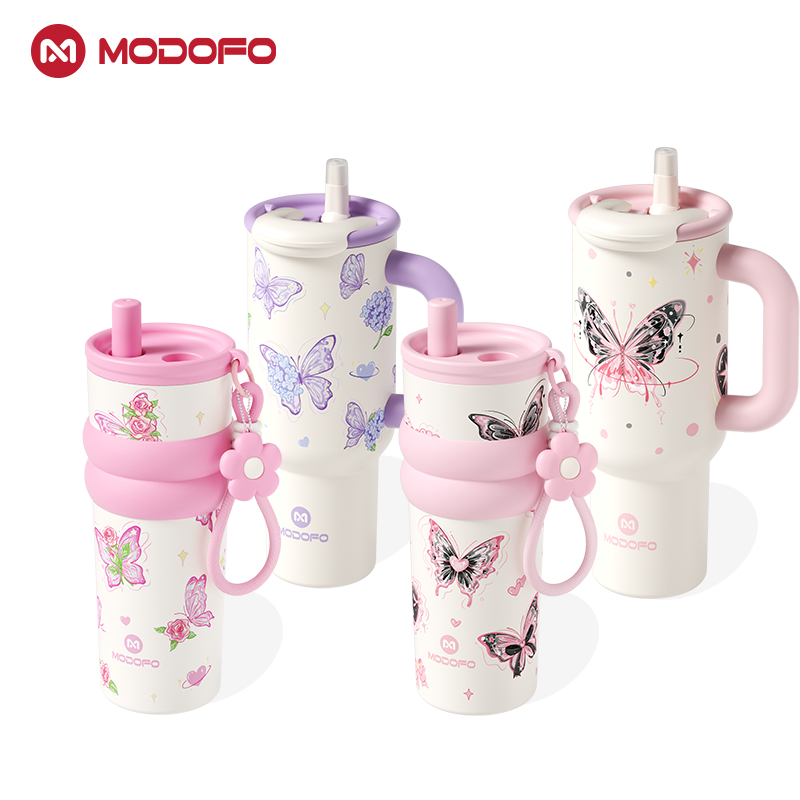
At MODOFO, this philosophy connects closely with everyday hydration and lifestyle design.
A drink bottle is not simply a container.
In hot environments, it becomes part of:
- comfort
- routine
- refreshment
- recovery
- daily balance
Small lifestyle tools can quietly improve how daily life feels.
Why Evening Recovery Has Become Important
Many people living in hot cities now create intentional recovery routines after work.
These routines help the body cool down and transition away from constant stimulation.
Common examples include:
- taking a cool shower
- drinking iced water or tea
- reducing bright lighting
- listening to calming music
- sitting quietly indoors
- avoiding unnecessary screen exposure
These habits help reduce accumulated stress from heat and overstimulation.
Recovery is becoming an essential part of urban wellbeing.
How to Reduce the Hidden Fatigue of Hot Cities
While people cannot control city temperatures, they can reduce environmental stress through small lifestyle adjustments.
Maintain Better Hydration Habits
Consistent hydration is essential in hot climates.
Large insulated bottles or tumblers can help people drink more regularly throughout the day.
Cold drinks also create psychological cooling effects that improve comfort.
Improve Indoor Airflow
Good airflow reduces trapped heat indoors.
Fans, ventilation, breathable curtains, and open layouts can make environments feel significantly lighter.
Reduce Midday Heat Exposure
Whenever possible, avoid long outdoor activity during peak afternoon heat.
Even short cooling breaks can help reduce accumulated fatigue.
Prioritize Sleep Environment
Cooling the sleep environment improves recovery quality dramatically.
Comfortable sleep often has a greater impact on energy than productivity strategies.
Create Slower Evenings
Not every hour needs stimulation.
Quiet evening routines help regulate the nervous system after overwhelming urban days.
Add More Nature Into Daily Life
Indoor plants, parks, natural lighting, and greenery help psychologically counterbalance dense urban environments.
People naturally feel calmer around natural elements.
The Future of Urban Living May Focus More on Recovery
As cities become denser and climates become warmer, people may increasingly prioritize lifestyles centered around:
- comfort
- wellness
- emotional balance
- breathable design
- sustainable routines
- recovery-focused living
For years, modern culture focused heavily on efficiency.
But many people are beginning to understand that recovery is equally important.
A body that never fully recovers eventually loses energy, patience, creativity, and focus.
Final Thoughts
Living in hot cities changes the body in quiet ways.
The fatigue often arrives gradually through:
- humidity
- heat retention
- poor sleep
- crowded movement
- overstimulation
- dehydration
- constant environmental stress
Over time, people stop noticing how much energy these conditions consume.
But the body notices.
That is why comfort matters more than ever in modern urban life.
Sometimes improving daily wellbeing is not about major transformation.
It is about creating smaller moments of cooling, breathing, slowing down, and recovering inside environments that constantly demand energy.
Better airflow.
Better hydration.
Better rest.
More intentional routines.
These simple things may not completely remove urban fatigue — but they can make modern city life feel far lighter, calmer, and more sustainable over time.