

Why Some Places Instantly Help Us Slow Down, Stay Longer, and Feel at Ease
Introduction: We Feel Comfort Before We Understand It
Have you ever walked into a place and immediately felt at ease?
Perhaps it was a quiet café filled with morning sunlight.
A small hotel room overlooking the sea.
A friend's kitchen where conversations naturally lasted longer than expected.
A neighborhood bookstore where time seemed to slow down.
Or simply a favorite chair beside the window at home.
What makes these places feel so comfortable?
It is rarely one extraordinary feature.
Not expensive furniture.
Not impressive architecture.
Not a perfectly styled interior.
Instead, comfort is usually created by dozens of thoughtful details working together so naturally that we hardly notice them.
The light.
The temperature.
The sounds.
The layout.
The familiar objects.
The people.
The routines.
Comfort is not something we consciously analyze.
It is something we quietly experience.
Perhaps that is why the spaces we love are not always the most beautiful.
They are simply the ones that allow us to feel most like ourselves.
Comfortable Spaces Never Ask for Attention
Many spaces are designed to impress.
Some are filled with bold colors.
Others showcase dramatic architecture or luxurious materials.
These places may be memorable, but they are not always comfortable.
The spaces we return to again and again usually feel very different.
They do not compete for attention.
They allow everyday life to become the focus.
A cozy kitchen encourages conversation rather than admiration.
A reading corner invites us to stay a little longer without asking anything in return.
A neighborhood café feels welcoming because nothing inside demands to be noticed.
Comfort does not announce itself.
It quietly supports the moments taking place within the space.
Perhaps the most comfortable places are the ones that gently disappear behind the life happening inside them.
Light Creates Emotional Warmth
Natural light changes much more than the brightness of a room.
It changes the feeling of being there.
Morning sunlight makes breakfast feel calmer.
Soft afternoon light encourages reading.
Golden evening light invites longer conversations around the dinner table.
Even a small apartment can feel open and peaceful when sunlight moves naturally through it.
As daylight changes throughout the day, our experience of the same room changes with it.
The kitchen becomes lively in the morning.
The living room becomes restful in the evening.
A balcony transforms into the perfect place for tea as the sun begins to set.
Light creates emotional warmth long before we consciously notice it.
Perhaps this is why we instinctively move toward windows.
We are not simply looking for brightness.
We are looking for comfort.
Thoughtful Objects Support the Space Instead of Filling It
Comfort is not created by owning more things.
It is created by choosing the right things.
Every object should quietly contribute to everyday life.
A ceramic mug waiting beside the coffee machine.
A reusable bottle always ready by the door.
A notebook resting on the table.
A wooden chair that remains comfortable through long conversations.
A small plant adding life to a quiet corner.
These objects do not become meaningful because they stand out.
They become meaningful because they belong.
They support the rhythm of the home without interrupting it.
Thoughtful products make a space feel lighter rather than fuller.
The best objects are rarely the loudest ones.
They simply make everyday living feel easier.
Familiarity Helps Us Relax
There is something deeply comforting about knowing what to expect.
The favorite chair we always choose.
The coffee shop where the barista already knows our order.
The kitchen drawer where everything is exactly where it should be.
The balcony where we watch the sunset every evening.
These familiar experiences create a sense of safety.
We do not need to think.
We simply arrive.
Our bodies recognize these places before our minds do.
Routine creates predictability.
Predictability creates comfort.
Comfort gradually becomes belonging.
This may be one reason why even simple spaces can feel far more welcoming than places filled with luxury.
They have become familiar.
Comfortable Spaces Leave Room to Breathe
One of the most overlooked qualities of a comfortable space is what it does not contain.
Open surfaces.
Walking space.
Clear countertops.
A little empty space on a shelf.
A chair that is easy to move.
A room that does not feel crowded.
Empty space is often misunderstood as something missing.
In reality, it gives our minds room to rest.
A calm space reduces visual distractions.
It allows important objects to stand out naturally.
It creates a sense of balance without trying too hard.
Comfort does not require filling every corner.
Sometimes what makes a room feel peaceful is simply the space left untouched.
Good Spaces Encourage Better Conversations
Think about the places where your best conversations have happened.
Perhaps around the kitchen table.
In a quiet café.
On a shaded patio.
Beside a campfire.
Walking through a local park.
Rarely do we remember the furniture.
We remember the people.
The stories.
The laughter.
The feeling of not needing to rush.
Comfortable spaces invite us to stay.
And when people stay longer, conversations become deeper.
The best spaces are not designed to impress visitors.
They are designed to make people feel welcome enough to be themselves.
Comfort creates connection.
Connection creates memories.
Comfort Grows Through Everyday Rituals
A beautiful room alone cannot create lasting comfort.
It becomes meaningful through the routines that happen there.
Morning coffee beside the window.
Preparing dinner with family.
Reading before bed.
Watering plants.
Listening to music on a quiet afternoon.
Writing in a journal.
Sharing tea with a friend.
These repeated moments gradually transform a physical space into an emotional one.
The room itself changes very little.
The rituals give it life.
This is why moving into a new home often feels unfamiliar at first.
Comfort grows as memories grow.
The more ordinary moments a place witnesses, the more naturally it begins to feel like home.
The Best Spaces Grow With Us
Our lives are constantly changing.
We move.
Begin new jobs.
Work from home.
Start families.
Travel more.
Retire.
The most comfortable spaces evolve alongside these changes.
A dining table becomes a workspace.
A guest room becomes a nursery.
A balcony becomes a small garden.
A reading corner becomes a place to enjoy quiet mornings.
Great spaces are never fixed.
They continue adapting to the people who live within them.
Comfort is not something we finish creating.
It is something we continue shaping throughout life.
Just as our routines change, our homes quietly grow with us.
The MODOFO GLOBAL Philosophy
At MODOFO GLOBAL, we believe comfortable spaces are not created by filling a room with more products.
They are created by choosing everyday essentials that quietly support the life unfolding within that space.
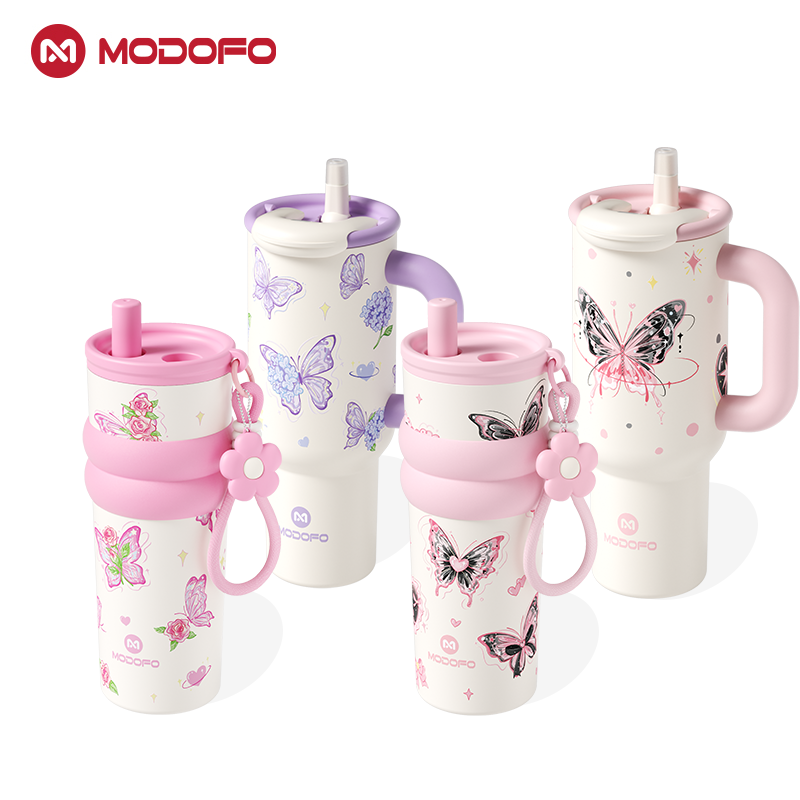
A tumbler beside a sunny kitchen window.
A reusable bottle accompanying a morning walk.
Tea shared around the dining table.
Kitchen essentials that make cooking feel effortless.
Thoughtfully designed objects that simplify routines without demanding attention.
Our philosophy of Better Everyday Living is built on helping people create spaces that feel calmer, more welcoming, and more connected to everyday life.
Because the purpose of good design is not to become the center of a room.
It is to help people enjoy the room more fully.
Conclusion: Comfort Is Something We Feel Before We Can Explain
Think about the places you return to most often.
A favorite café.
A cozy kitchen.
A reading chair.
A neighborhood park.
A family dining table.
A balcony filled with morning light.
You may not remember every detail.
But you remember how those places made you feel.
Comfort has never been measured by square meters.
Or designer furniture.
Or expensive decoration.
It is measured by how naturally a space supports everyday life.
The most comfortable spaces never ask us to admire them.
They quietly invite us to slow down.
To stay a little longer.
To enjoy ordinary moments without distraction.
Because in the end, comfort is not something we decorate.
It is something we experience—one conversation, one cup of coffee, one quiet afternoon at a time.
The most comfortable spaces aren't remembered for how they looked. They're remembered for how effortlessly they allowed life to unfold within them.