
Introduction: Shopping Is Easy—Choosing Well Is Not
Walking into a shopping mall feels effortless. Everything is curated, well-lit, and designed to guide you toward a purchase. But while buying something is easy, choosing the right thing is often much harder.
Most people leave malls with products that look good in the moment—but don’t necessarily improve their daily lives.
Why?
Because shopping environments are built for discovery and impulse, not for long-term decision-making.
The real challenge is not access. It’s judgment.
Choosing better everyday products requires a shift—from reacting to what you see, to evaluating what you actually need.
This article breaks down how to do exactly that: how to move from casual shopping to intentional selection, so the things you buy are not just owned—but consistently used.
1. Why Mall Shopping Often Leads to Poor Decisions
1.1 Too Many Choices, Too Little Clarity
Modern malls offer endless variations of the same category:
- Dozens of water bottles
- Multiple types of kitchen tools
- Countless storage solutions
At first glance, this seems like a benefit. In reality, it creates decision fatigue.
When options increase, clarity decreases.
1.2 Visual Design Over Practical Use
Retail spaces are optimized for appearance:
- Clean displays
- Attractive packaging
- Strategic lighting
These elements influence perception. A product that looks premium may not necessarily perform better in everyday use.
1.3 The Problem with Impulse Buying
Malls encourage emotional decisions:
- Limited-time promotions
- Store atmosphere
- “It might be useful” thinking
The result is familiar:
You buy something that seemed right—but rarely use it later.
2. Shift Your Mindset: From Buying to Evaluating
2.1 Think Like a User, Not a Shopper
Instead of asking:
- “Is this nice?”
- “Is this popular?”
Ask:
- “Will I actually use this regularly?”
This simple shift changes everything.
2.2 Focus on Frequency of Use
Not all products deserve equal attention.
- High-frequency items (used daily) → require better decisions
- Low-frequency items → lower impact
A product used 5–10 times a day deserves more consideration than one used once a month.
2.3 Define Your Real Use Case
Before buying, clarify:
- Where will I use this?
- How often?
- In what situations?
A product that doesn’t match your actual routine will eventually be ignored—no matter how good it is.
3. The Core Framework: How to Evaluate Everyday Products
To choose better, you need a repeatable framework. Here are the key dimensions that matter.
3.1 Functionality First
Start with the basics:
- Does this product solve a real problem?
- Does it improve on what I already have?
If the answer is unclear, the product is not essential.
3.2 Ease of Use (The Friction Test)
A good product should feel effortless.
Ask yourself:
- Can I use this with one hand?
- Does it require extra steps?
- Is the interaction intuitive?
The best everyday tools are the ones you don’t have to think about.
3.3 Comfort and Ergonomics
Especially for daily-use items:
- How does it feel in your hand?
- Is the size appropriate?
- Is the weight manageable?
Comfort directly affects consistency of use.
3.4 Durability and Materials
Look beyond first impressions:
- What is it made of?
- Will it hold up over time?
- Does it feel solid or fragile?
Durability determines whether a product becomes part of your routine—or gets replaced quickly.
3.5 Maintenance and Cleaning
Often overlooked, but critical:
- Is it easy to clean?
- Does it trap dirt or odor?
- Does maintenance feel like a chore?
If a product is difficult to maintain, you are less likely to keep using it.
3.6 Behavioral Fit (The Most Important Factor)
This is where most decisions fail.
Even a well-designed product will not work if it doesn’t match your habits.
Ask:
- Does this fit how I naturally behave?
- Will I use this without forcing myself?
A product only works if it aligns with your behavior—not if it tries to change it.
4. What You Should Actually Do Inside a Mall
Knowing how to evaluate is one thing. Applying it in a real shopping environment is another.
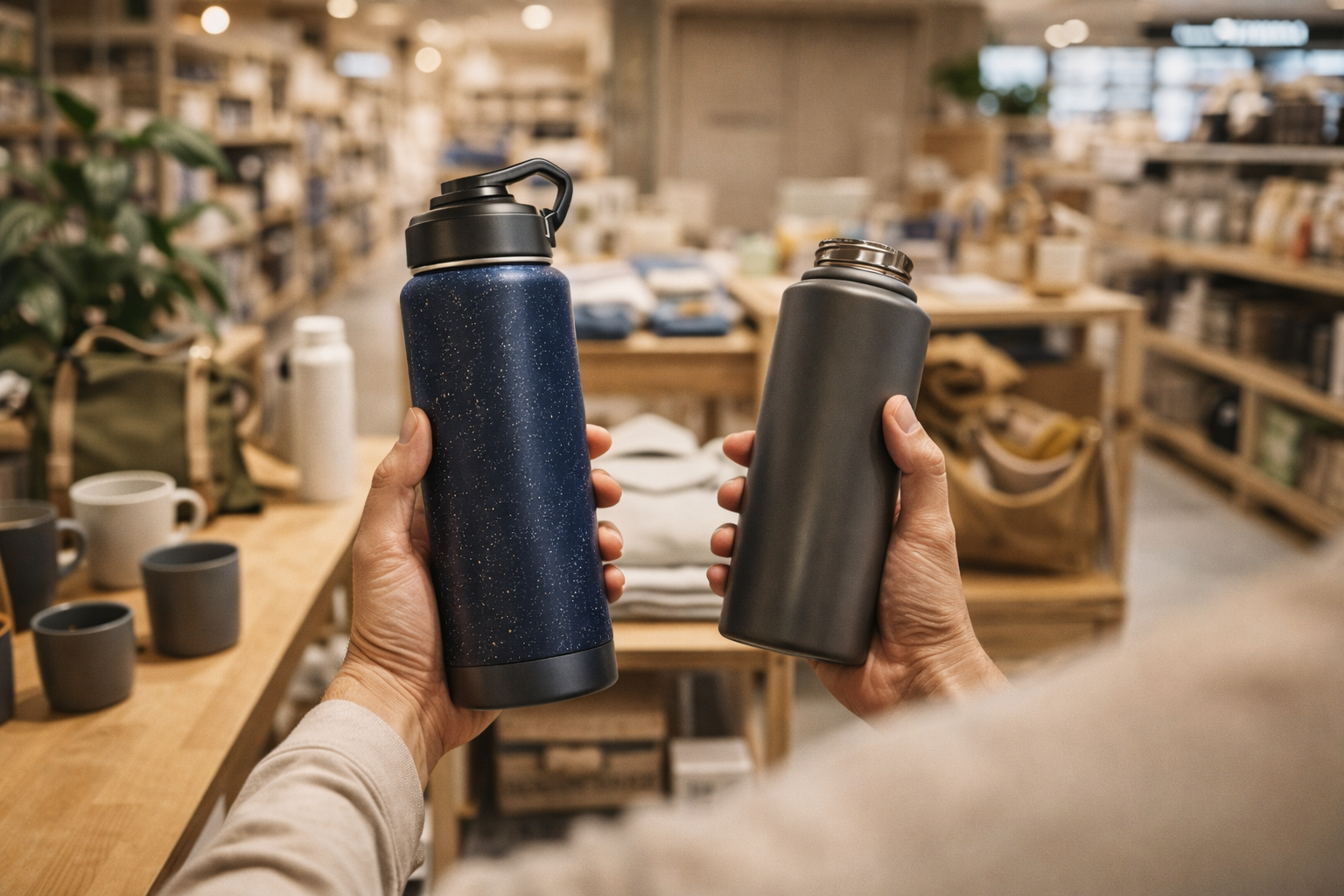
4.1 Interact with the Product
Don’t just look—use it.
- Open it
- Hold it
- Simulate real usage
This reveals more than any packaging or description.
4.2 Compare Across Stores
Avoid deciding too quickly.
- Visit at least 2–3 stores
- Compare similar products
- Notice differences in usability
The contrast improves judgment.
4.3 Ask Practical Questions
Instead of general questions, ask:
- What is this best used for?
- How do people typically use it?
- Are there common issues?
Focus on real-world usage, not features.
4.4 Step Away Before Deciding
One of the simplest but most effective tactics:
- Leave the store
- Wait 10–15 minutes
If you still want the product, it’s likely a better decision.
5. Common Mistakes People Make in Malls
- Choosing based on appearance alone
- Overvaluing brand names
- Ignoring real usage scenarios
- Buying for “future possibilities”
These decisions are driven by imagination—not reality.
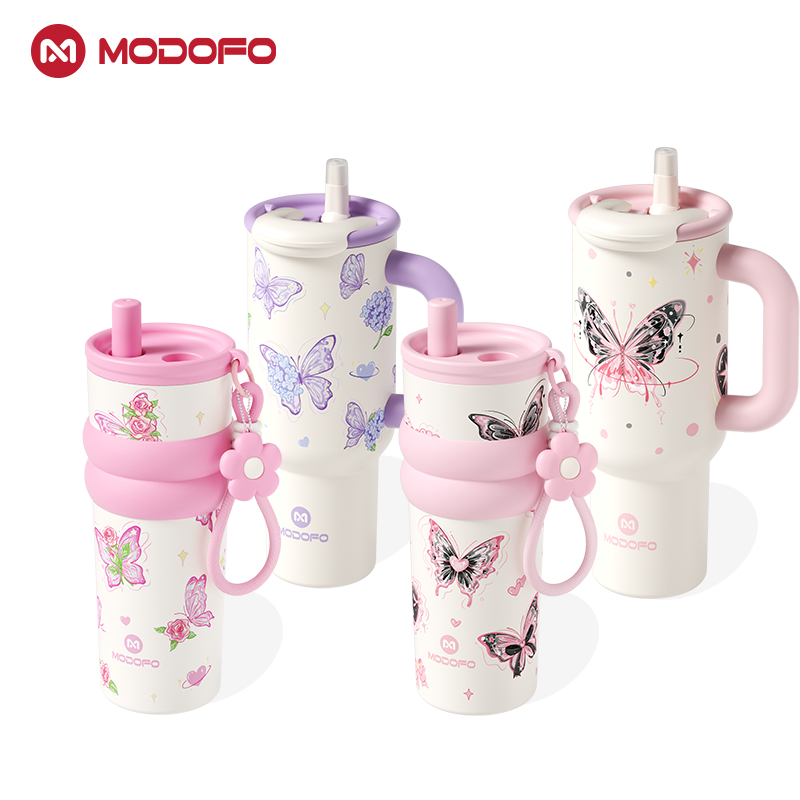
6. Case Study: Choosing Better Drinkware
Drinkware is a perfect example of how small decisions impact daily life.
6.1 What Most People Look At
- Design
- Size
- Price
6.2 What Actually Matters
- How easy it is to drink from
- Whether it supports frequent use
- How it fits into your daily routine
6.3 Design Shapes Behavior
Small differences make a big impact:
- A straw encourages frequent sipping
- A wide opening encourages occasional drinking
- Insulation affects temperature preference
A well-designed bottle doesn’t just hold water—it makes hydration easier.
Over time, this changes how often you drink, without requiring effort.
7. Shopping for Families: A Different Approach
Family shopping introduces new variables.
7.1 Shared Usage
Products may be used by multiple people:
- Ease of use becomes more important
- Simplicity reduces confusion
7.2 Durability Matters More
Family environments create more wear and tear.
Stronger materials and construction are essential.
7.3 Practicality Over Aesthetics
In family settings, priorities shift:
- Easy cleaning
- Safe materials
- Efficient storage
Visual appeal becomes secondary.
8. The Economics of Better Choices
8.1 Cost Per Use
A product used daily quickly justifies a higher upfront cost.
8.2 Avoiding Replacement Cycles
Cheaper products often lead to:
- Frequent replacement
- Repeated spending
- Ongoing inconvenience
8.3 Buying Less, But Better
A small number of well-chosen items often outperforms a large number of average ones.
9. Turning Shopping Into a System
9.1 Have a Plan Before You Go
Know what you are looking for.
Avoid browsing without direction.
9.2 Shop with Intent
Make decisions based on:
- Need
- Usage
- Fit
Not on emotion.
9.3 Build Your Own Standards
Over time, develop your own criteria:
- What matters most to you
- What you avoid
- What consistently works
This reduces decision time in the future.
10. The Bigger Insight: Better Choices Build Better Routines
Every product you choose affects:
- How you act
- How often you act
- How easily you act
Over time:
- Actions become habits
- Habits shape lifestyle
This process is subtle—but powerful.
Conclusion: Better Shopping Is a Skill
Choosing better products is not about spending more.
It’s about thinking differently.
- Evaluating instead of reacting
- Prioritizing use over appearance
- Aligning products with behavior
In the end, the quality of your daily life is shaped not by what you occasionally buy—but by what you consistently use.
Better choices in ordinary moments—like shopping in a mall—quietly define how your life feels every day.