
Why Our Best Moments Rarely Happen in a Hurry
Introduction: Faster Isn't Always Better
For generations, progress has been measured by one simple idea:
Faster.
Faster internet.
Faster transportation.
Faster deliveries.
Faster communication.
Faster decisions.
Technology has made almost every part of life more efficient.
Yet many people feel busier than ever.
Notifications arrive before breakfast.
Meetings fill every available hour.
Messages expect immediate replies.
Even moments of rest are often interrupted.
The challenge of modern life is no longer that we move too slowly.
It is that everything around us moves faster than we were designed to.
Human beings still breathe at the same pace.
Walk at the same pace.
Build relationships at the same pace.
Heal at the same pace.
Perhaps the future is not about moving faster.
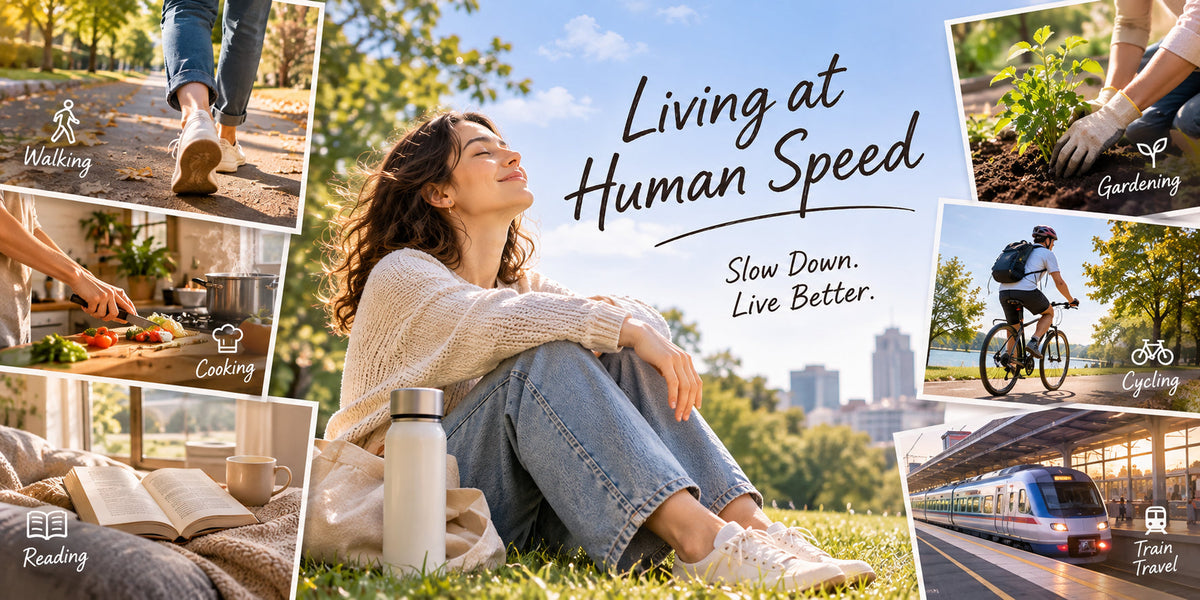
Perhaps it is about living at human speed.
Human Beings Have Natural Rhythms
Nature never rushes.
The sun rises gradually.
Trees grow season by season.
Coffee cools slowly.
Tea takes time to steep.
Conversations deepen through patience.
Our own bodies follow similar rhythms.
Sleep.
Hunger.
Attention.
Recovery.
Creativity.
These cannot simply be accelerated.
When life constantly demands speed, we often lose touch with the rhythms that keep us healthy.
Living at human speed means respecting the pace our minds and bodies naturally understand.
Walking Changes the Way We Notice the World
Walking is one of the simplest ways to reconnect with human speed.
When we walk, the world becomes more detailed.
We notice changing leaves.
The smell of fresh bread from a neighborhood bakery.
Children laughing in a nearby park.
A friendly wave from a neighbor.
Architecture we usually drive past.
Walking transforms distance into experience.
The goal is no longer simply arriving.
It is noticing everything along the way.
Sometimes the shortest route is not the most meaningful one.
Cooking Is Time Well Spent
Cooking asks us to slow down.
Ingredients cannot always be rushed.
Flavors develop gradually.
Bread rises in its own time.
Soup becomes richer as it simmers.
Preparing food is more than completing a task.
It is participating in a process.
Cooking also brings people together.
Families gather around kitchen counters.
Friends share recipes.
Children learn traditions by watching.
Meals become conversations rather than interruptions.
In a world that often celebrates convenience, cooking reminds us that some experiences become more valuable because they take time.
Reading Gives Our Minds Room to Breathe
Reading asks something increasingly rare.
Undivided attention.
A book does not compete for our focus every few seconds.
It invites us to remain present.
Page after page.
Thought after thought.
Unlike endless scrolling, reading allows ideas to unfold naturally.
It strengthens patience.
Curiosity.
Reflection.
Books remind us that understanding often grows gradually rather than instantly.
The deepest ideas rarely fit into a headline.
Gardening Teaches Patience Better Than Any App
Few activities reflect human speed more beautifully than gardening.
Seeds do not grow overnight.
Flowers bloom in their own season.
Plants respond to care rather than urgency.
Gardening teaches something modern life often forgets.
Not everything meaningful can be optimized.
Some of life's greatest rewards arrive only through consistency and patience.
Watching something grow quietly changes the way we think about progress.
Growth is not always dramatic.
Often, it is almost invisible.
Cycling and Train Travel Invite Us to Observe
Not every journey should feel like a race.
Cycling allows us to feel changing weather, hear birds, and explore neighborhoods we might otherwise overlook.
Train travel offers something equally valuable.
Looking out the window.
Reading while landscapes change.
Sharing conversations without watching the road.
Watching cities gradually become countryside.
Unlike air travel, trains allow us to experience the distance between places.
Sometimes the journey becomes as memorable as the destination.
Living Beyond Notifications
Technology keeps us connected.
But constant connection can quietly divide our attention.
Every notification asks us to switch focus.
Every interruption makes it harder to remain fully present.
Living at human speed does not require abandoning technology.
It simply means using it intentionally.
Silencing unnecessary alerts.
Creating phone-free meals.
Walking without headphones occasionally.
Reading before bed instead of scrolling.
Choosing moments where attention belongs entirely to the people and places around us.
Presence has become one of the rarest forms of luxury.
Everyday Objects Should Support Human Rhythms
The best everyday products do not encourage rushing.
They support calm routines.
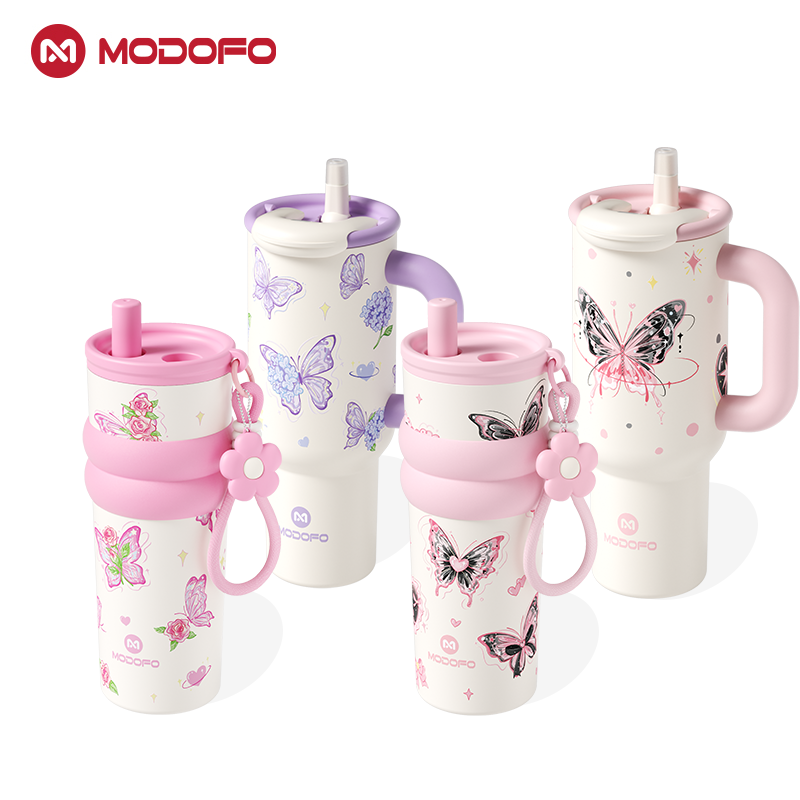
A reusable bottle beside your desk reminds you to pause and drink water.
A favorite mug encourages a quiet morning before work begins.
A comfortable chair invites an evening with a good book.
Thoughtfully designed kitchen tools make cooking feel enjoyable rather than hurried.
Good design does not demand attention.
It gently supports the natural rhythm of everyday life.
The MODOFO GLOBAL Philosophy
At MODOFO GLOBAL, we believe the best moments are rarely the fastest ones.
Morning coffee before the day begins.
Tea shared after dinner.
A walk through the neighborhood.
A family meal prepared together.
A quiet train journey with a favorite book.
These ordinary experiences shape a meaningful life.
Thoughtfully designed everyday essentials should never rush people.
They should quietly support healthier habits, stronger relationships, and moments of calm wherever life happens.
Because the true purpose of design is not to help us do more in less time.
It is to help us enjoy the time we already have.
Conclusion: The Future Needs More Human Time
Technology will continue becoming faster.
Artificial intelligence will become more capable.
Cities will become smarter.
Work will become more efficient.
Yet none of these changes will alter one essential truth.
People still need time.
Time to think.
Time to create.
Time to rest.
Time to connect.
Time to notice.
The future should not ask human beings to move at the speed of machines.
It should help technology adapt to the pace of humanity.
Because a meaningful life is not measured by how quickly we move.
It is measured by how deeply we experience each moment.
The best life isn't lived at the fastest speed. It's lived at the speed where people can truly notice, connect, create, and simply be human.