
Building Healthier Habits, Better Routines, and a More Comfortable Lifestyle
Modern life has become faster than ever.
People wake up to phone notifications, move through crowded schedules, spend hours in front of screens, and often end the day mentally exhausted without fully understanding why.
Even when life appears stable on the surface, many people quietly experience a constant sense of fatigue.
Not necessarily dramatic burnout.
But a softer kind of exhaustion:
- feeling mentally overloaded
- struggling to relax
- losing motivation
- feeling disconnected from everyday enjoyment
- moving through routines without fully feeling present
As a result, more people are beginning to rethink what a “better life” actually means.
For a long time, modern culture associated success with speed, productivity, and constant achievement. But recently, many people have started moving toward a different kind of lifestyle — one focused less on pressure and more on comfort, balance, and emotional wellbeing.
This shift can be seen in many areas of life:
- slower mornings
- calmer homes
- healthier routines
- intentional hobbies
- cozy living spaces
- tea and coffee rituals
- wellness-focused products
- simple everyday habits
Improving everyday living does not always require dramatic transformation.
Often, the most meaningful improvements begin quietly through smaller daily choices that make life feel calmer, healthier, and easier to enjoy.
Why Modern Life Feels So Mentally Exhausting
Modern people process an enormous amount of information every day.
Messages, emails, advertisements, videos, social media updates, news alerts, and endless digital content constantly compete for attention.
Even during moments of rest, the brain often remains active.
This creates a form of continuous mental stimulation that many people were never designed to handle for long periods of time.
As a result, people may experience:
- difficulty focusing
- emotional fatigue
- sleep problems
- irritability
- low energy
- chronic stress
This is one reason why lifestyle trends around slow living, wellness, minimalism, and emotional comfort continue growing worldwide.
People are not only searching for efficiency anymore.
They are searching for relief.
Why Small Habits Matter More Than Big Changes
One common mistake people make when trying to improve life is believing that change must be dramatic.
They try to completely reinvent routines overnight:
- waking up extremely early
- following strict productivity systems
- overloading schedules
- forcing unrealistic habits
But sustainable improvement usually works differently.
The habits that truly improve life are often small enough to repeat consistently.
For example:
- drinking more water daily
- sleeping slightly earlier
- spending less time on screens at night
- walking outside regularly
- preparing tea slowly in the evening
- organizing living spaces
- creating small moments of quiet
These habits may appear simple, but repeated over time, they strongly influence emotional and physical wellbeing.
Why Better Sleep Improves Almost Everything
Sleep is one of the most overlooked parts of modern health.
Many people sacrifice sleep because of work, entertainment, or digital habits without realizing how strongly poor sleep affects everyday life.
Irregular sleep patterns influence:
- mood
- concentration
- stress tolerance
- energy levels
- eating habits
- emotional stability
Improving sleep does not necessarily mean becoming part of “extreme productivity culture.”
It simply means creating a more stable rhythm.
Even sleeping one hour earlier consistently can noticeably improve how people feel throughout the day.
Simple nighttime habits often help:
- reducing screen time before bed
- dimming lights at night
- drinking warm tea
- avoiding overstimulation late in the evening
- creating quieter nighttime routines
A calmer evening usually creates a calmer morning.
Why Morning Routines Shape the Entire Day
The first hour of the day strongly affects mental state.
Many people wake up and immediately check notifications or social media. This pushes the brain directly into information-processing mode before the body has fully settled into the day.
A gentler morning often feels very different.
For example:
- opening curtains for natural light
- drinking water
- stretching lightly
- listening to calm music
- preparing coffee or tea
- sitting quietly for a few minutes
These routines are not about productivity optimization.
They are about creating smoother emotional transitions into daily life.
Why Hobbies Are Becoming More Important
Modern adults often become trapped in repetitive cycles of work and responsibility.
Over time, many people lose connection with activities they genuinely enjoy.
This is why hobbies matter.
Hobbies are not always valuable because they are “useful.”
They are valuable because they help people reconnect with themselves outside of stress and obligation.
Activities like:
- reading
- photography
- cycling
- drawing
- baking
- gardening
- tea brewing
- journaling
- cooking
- walking
can create emotional recovery.
Hobbies slow the mind down and shift attention away from constant pressure.
In many cases, hobbies become a form of mental balance.
Why More People Are Creating Small Daily Rituals
Modern life often feels fragmented and rushed.
Daily rituals help create stability.
A ritual does not need to be complicated.
It can simply be:
- making coffee every morning
- preparing tea after work
- watering plants
- reading before bed
- drinking water during breaks
- sitting quietly for ten minutes
These moments create pauses throughout the day.
And pauses are increasingly important in a fast-moving world.
The Comfort of Warm Drinks and Slow Moments
One reason tea and coffee culture continues growing globally is because these drinks represent more than flavor.
They create atmosphere.
Preparing a warm drink naturally slows people down.
The process encourages presence:
- heating water
- choosing tea leaves or coffee beans
- pouring slowly
- sitting comfortably
- focusing on aroma and warmth
This creates emotional comfort.
A warm drink after a stressful day can become a small form of recovery.
This is also why thoughtfully designed drinkware has become part of modern lifestyle culture.
People increasingly value products that support everyday comfort naturally.
Why Everyday Objects Influence Lifestyle More Than People Realize
People interact with everyday objects constantly.
A favorite cup.
A comfortable chair.
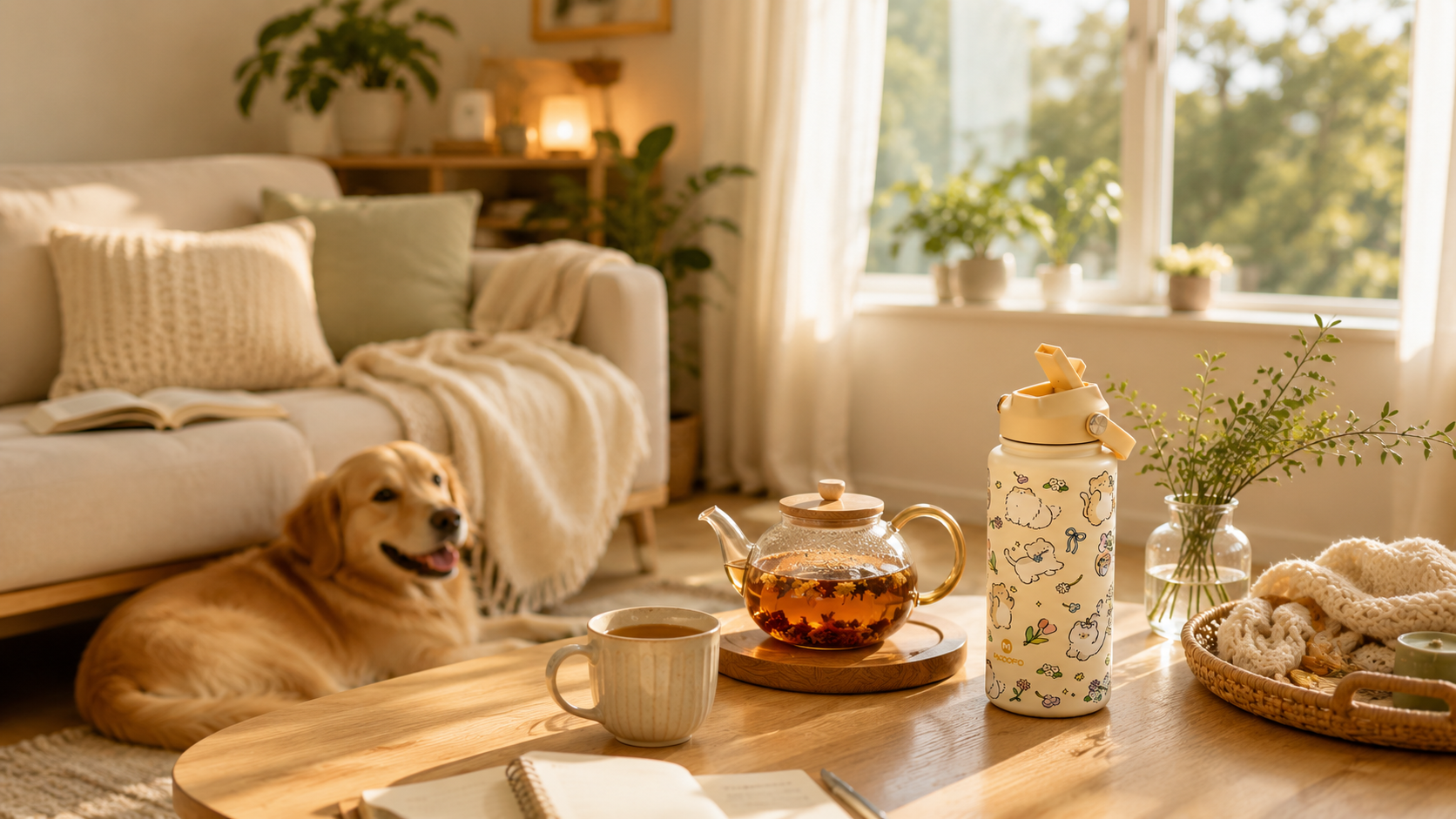
A tea pot used every evening.
A reliable insulated bottle during work or travel.
These objects quietly shape routines.
Good lifestyle products are not only functional.
They support better daily experiences.
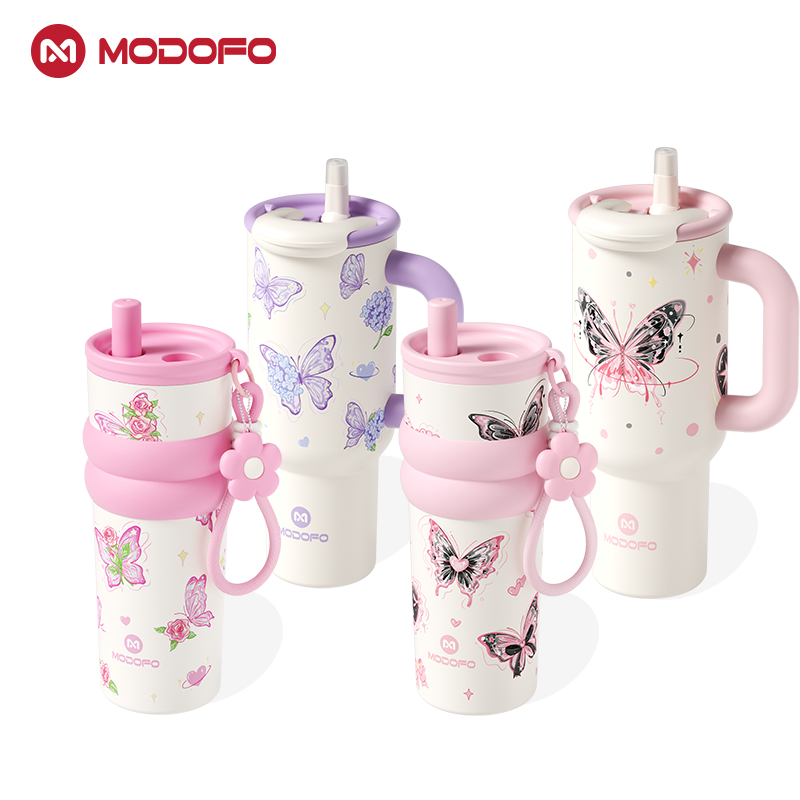
At MODOFO, this idea is deeply connected to the brand philosophy.
Modern drinkware is no longer simply about holding beverages.
It is about supporting healthier and more enjoyable routines throughout everyday life.
Whether it is:
- staying hydrated during work
- carrying tea throughout the day
- enjoying cold water in hot weather
- creating relaxing tea rituals at home
- building healthier habits for children
the goal is the same:
making daily life feel more comfortable and intentional.
This is why many modern consumers are drawn toward products that combine:
- functionality
- emotional comfort
- thoughtful design
- lifestyle aesthetics
- long-term usability
People increasingly want objects that fit naturally into calmer and healthier lifestyles.
Why Hydration Quietly Affects Daily Wellbeing
Many people underestimate how strongly hydration influences energy and mood.
Mild dehydration may contribute to:
- headaches
- fatigue
- poor concentration
- irritability
- low physical energy
In hot climates especially, consistent hydration becomes even more important.
But modern routines often cause people to forget drinking water regularly.
This is why accessible and comfortable drinkware can positively influence habits.
When hydration becomes easier and more enjoyable, people naturally drink more consistently.
Small improvements in hydration often create noticeable differences in:
- energy
- focus
- comfort
- physical wellbeing
Why Pets Help Improve Everyday Life
Another growing lifestyle trend is pet companionship.
Many people today discover that caring for pets improves emotional wellbeing significantly.
Pets provide:
- companionship
- routine
- emotional connection
- comfort
- stress reduction
Walking a dog, sitting with a cat, or simply sharing quiet moments with animals can create emotional grounding.
Interestingly, pets also help people slow down.
They encourage:
- more regular schedules
- more time away from screens
- more presence in daily life
For many people, pets quietly improve mental balance.
Why Comfortable Homes Matter More Than Ever
Homes today are becoming emotional recovery spaces.
People increasingly want homes that feel:
- calm
- warm
- breathable
- comfortable
- emotionally supportive
This explains the growing popularity of:
- warm lighting
- natural textures
- plants
- wooden furniture
- soft fabrics
- cozy drinkware
- minimal interiors
Comfortable spaces reduce mental friction.
A calmer environment often creates a calmer mind.
And importantly, comfort does not require luxury.
Simple spaces with thoughtful details often feel more emotionally restorative than highly decorated environments.
Why Modern People Are Choosing Slower Living
Slow living is becoming more popular because many people are exhausted by constant acceleration.
Slow living does not mean avoiding ambition or responsibility.
It means creating healthier relationships with time and attention.
This can include:
- slower mornings
- mindful routines
- intentional purchases
- reduced digital overload
- enjoying ordinary moments more fully
People are beginning to understand that life quality is not determined only by productivity.
It is also shaped by:
- emotional wellbeing
- comfort
- rest
- relationships
- routines
- environment
Better Living Is Usually Built Quietly
One of the most important truths about lifestyle improvement is this:
Most meaningful changes happen gradually.
Not through dramatic transformation.
But through repeatable daily habits.
A better life may begin with:
- sleeping slightly earlier
- drinking more water
- preparing tea slowly
- creating a calmer room
- spending time outdoors
- reconnecting with hobbies
- reducing unnecessary stress
- taking breaks from screens
These actions may seem small individually.
But together, they shape how life feels.