

Introduction: Hydration Isn’t the Same Everywhere
Hydration is often treated as a universal rule: drink more water, stay healthy. But anyone who has spent time in a tropical climate knows that hydration simply feels different.
In cooler environments, drinking water can feel optional—something you remember to do. In tropical regions, it becomes constant, urgent, and sometimes surprisingly ineffective. You drink, yet still feel tired. You hydrate, yet still feel overheated.
So what’s going on?
The answer lies in how tropical weather—defined by high heat and high humidity—changes the way your body loses, absorbs, and uses water.
Hydration is not just about how much you drink. It’s about how often, how your body processes it, and how your environment shapes your behavior.
In this article, we’ll break down why hydration feels different in tropical weather, what most people get wrong, and how to build a smarter, more effective hydration system for everyday life.
1. What Defines Tropical Weather?
1.1 High Heat, High Humidity, Constant Exposure
Tropical climates are characterized by:
- Temperatures typically ranging from 25°C to 35°C (77°F to 95°F)
- Humidity levels often exceeding 70%
- Strong sun exposure throughout the year
Cities like Kuala Lumpur, Jakarta, and Manila are prime examples, where even short periods outdoors can lead to noticeable sweating.
1.2 Why Humidity Changes Everything
Heat alone doesn’t fully explain the experience. The real difference lies in humidity.
In dry climates, sweat evaporates quickly, cooling the body efficiently. In tropical environments, high humidity slows down evaporation, meaning:
- Your body sweats more
- Cooling becomes less effective
- You feel hotter for longer periods
This directly impacts how your body manages hydration.
2. The Science: How Your Body Responds to Tropical Conditions
2.1 Sweat Is Your Primary Cooling System
When your body temperature rises, sweat glands activate to release fluid onto the skin. As this fluid evaporates, it removes heat.
However, sweating comes at a cost:
- Loss of water
- Loss of electrolytes (especially sodium and potassium)
2.2 Slower Evaporation = Higher Water Loss
In tropical climates:
- Sweat accumulates instead of evaporating
- The body continues producing more sweat to compensate
This creates a loop:
Less cooling → More sweating → More fluid loss
2.3 Hidden Dehydration
One of the biggest challenges is underestimating dehydration.
Because your skin remains moist, you may not notice how much fluid you are losing. At the same time:
- Thirst signals can lag behind actual needs
- You may already be mildly dehydrated before feeling thirsty
3. Why Hydration Feels Harder in Tropical Weather
3.1 Drinking Doesn’t Always Feel Effective
Many people report:
- Drinking water but still feeling fatigued
- Persistent stickiness or discomfort
- Lack of “refreshment” after hydration
This happens because:
- Hydration is not keeping up with loss
- Water alone may not restore electrolyte balance
- Body temperature remains elevated
3.2 Faster Fatigue and Reduced Focus
Even mild dehydration (1–2% body weight loss) can lead to:
- Reduced concentration
- Increased fatigue
- Lower physical performance
In tropical conditions, this threshold is reached much faster.
3.3 Constant Low-Level Stress on the Body
Unlike cold climates where hydration needs fluctuate, tropical environments create:
- Continuous fluid loss
- Ongoing thermoregulation demands
Hydration becomes a constant process, not an occasional action.
4. Sip vs Chug: Why Drinking Style Matters More in the Tropics
4.1 The Limitation of Chugging
Drinking large amounts of water quickly may feel satisfying, but in tropical conditions it often leads to:
- Rapid urination
- Limited absorption efficiency
- Short-lived hydration effects
4.2 Why Sipping Works Better
Sipping—small, frequent intake—aligns better with how the body absorbs fluids:
- Maintains steady hydration levels
- Reduces stress on the digestive system
- Matches continuous fluid loss patterns
4.3 The Optimal Strategy: Micro-Hydration
In tropical climates, the most effective approach is:
Small amounts, consumed frequently, throughout the day
This ensures:
- Better absorption
- Consistent hydration
- Improved comfort
5. Electrolytes: The Missing Piece in Hot Climates
5.1 Water Alone Isn’t Enough
Sweating leads to the loss of:
- Sodium
- Potassium
- Chloride
If only water is replaced, imbalances can occur.
5.2 Signs of Electrolyte Imbalance
- Dizziness
- Muscle weakness
- Headaches
- Fatigue
5.3 When Electrolytes Matter Most
Consider electrolyte intake when:
- Exercising outdoors
- Spending extended time in heat
- Experiencing heavy sweating
6. Does Water Temperature Matter More in the Tropics?
6.1 The Appeal of Cold Water
Cold drinks offer:
- Immediate cooling sensation
- Psychological relief
6.2 Potential Downsides
- Drinking too quickly can cause discomfort
- Extremely cold water may shock the system
6.3 A Balanced Approach
Moderately cool water often provides the best balance between:
- Comfort
- Safety
- Hydration effectiveness
7. Everyday Scenarios: How Tropical Living Affects Hydration
7.1 Commuting and Urban Movement
Even short walks can lead to:
- Rapid sweating
- Unexpected dehydration
7.2 Air-Conditioned Environments
Indoor spaces may feel comfortable, but:
- Air conditioning can dry the body
- You may forget to drink regularly
7.3 Outdoor Activities
Activities like walking, cycling, or errands significantly increase fluid loss.
8. Common Hydration Mistakes in Hot Climates
- Waiting until you feel thirsty
- Drinking large amounts infrequently
- Ignoring electrolyte loss
- Not carrying water consistently
These habits create reactive, rather than proactive, hydration.
9. Why Drinkware Matters More Than You Think
9.1 Behavior Is Driven by Accessibility
The easier it is to drink, the more likely you are to stay hydrated.
9.2 Design Influences Drinking Style
Different bottle designs encourage different behaviors:
- Narrow openings and straws → promote sipping
- Wide mouths → encourage chugging
9.3 Supporting Consistent Hydration
In tropical environments, ideal drinkware should:
- Be easy to carry daily
- Maintain water temperature
- Allow quick, frequent access
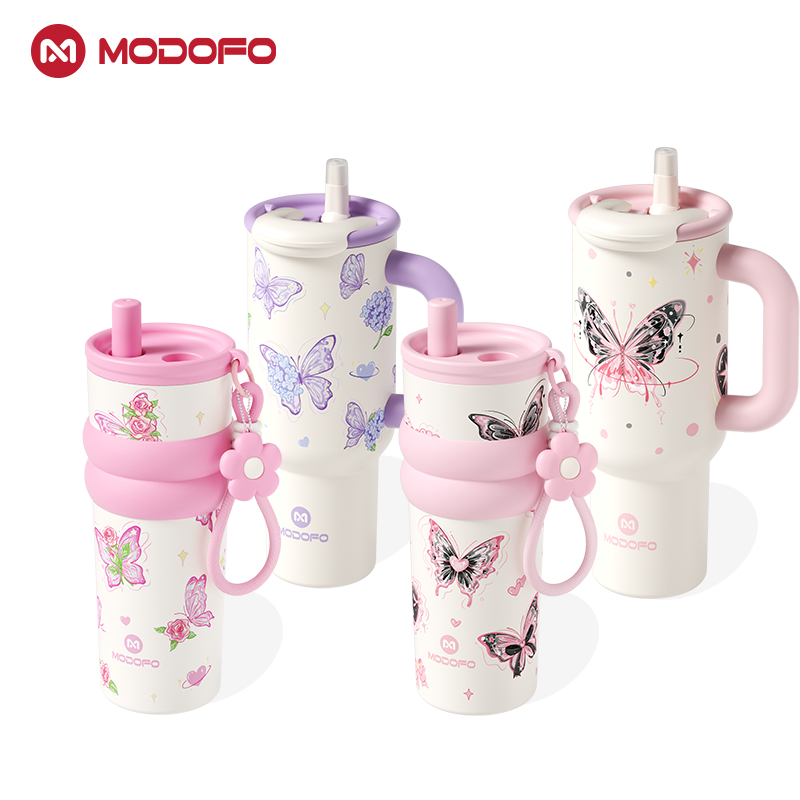
A well-designed insulated bottle or tumbler isn’t just a container—it becomes part of your hydration system, helping turn intention into consistent behavior.
10. Building a Smarter Hydration System for Tropical Living
10.1 Think in Frequency, Not Volume
Instead of asking “How much did I drink today?”, focus on:
- “How often did I drink?”
10.2 Create Environmental Triggers
- Drink after every transition (walking, sitting, commuting)
- Keep water visible and accessible
10.3 Combine Strategies
- Use chugging for quick recovery when needed
- Use sipping for daily maintenance
10.4 Keep It Simple
The most effective hydration systems are:
- Easy to maintain
- Integrated into routine
- Supported by the right tools
11. The Bigger Insight: Hydration Is Environment-Dependent
Hydration strategies that work in cooler climates often fail in tropical ones.
In hot and humid environments:
- Fluid loss is continuous
- Cooling is less efficient
- Behavior matters more than intention
This makes hydration a system, not a single action.
Conclusion: It’s Not About Drinking More—It’s About Drinking Smarter
Hydration in tropical weather is fundamentally different.
It’s not just about increasing water intake—it’s about:
- Adjusting how you drink
- Understanding your environment
- Using tools that support consistent behavior
Sipping becomes more effective than chugging. Consistency becomes more important than volume. And small adjustments can lead to significantly better comfort, energy, and overall well-being.
In tropical climates, hydration isn’t passive—it’s something you design.