
Rencana Praktis dan Berkelanjutan untuk Rumah Tangga Modern — Dengan Visi Hidup Ramah Lingkungan MODOFO sebagai Pusatnya**
Keluarga saat ini berada di pusat salah satu tantangan keberlanjutan yang paling sering diabaikan: peningkatan volume sampah rumah tangga sehari-hari. Meskipun kebijakan pemerintah, program ESG perusahaan, dan perjanjian global memainkan peran mereka, medan pertempuran sebenarnya adalah laci dapur, tas sekolah, dapur kantor, dan perlengkapan piknik akhir pekan . Keputusan yang dibuat di rumah berdampak pada tren global—karena miliaran pilihan mikro menjadi dampak makro.
Di berbagai pasar mulai dari Asia Tenggara hingga Amerika Utara, satu pola yang jelas terlihat adalah: ketergantungan pada plastik sedang runtuh . Konsumen mengubah ekspektasi mereka, regulator memperketat persyaratan, dan merek-merek merestrukturisasi portofolio produk mereka. Pergeseran dari plastik ke baja —terutama dalam kategori seperti gelas, wadah makan siang, peralatan minum bayi, dan penyimpanan makanan—bukanlah tren desain. Ini adalah perubahan struktural dalam cara masyarakat mendefinisikan "kualitas," "nilai jangka panjang," dan "konsumsi yang bertanggung jawab."
Artikel ini mengupas bagaimana keluarga dapat secara praktis mengurangi sampah sehari-hari, mengapa baja tahan karat menjadi material pilihan jangka panjang, dan bagaimana merek seperti MODOFO membentuk gaya hidup modern, fungsional, dan mengutamakan keberlanjutan tanpa menghakimi atau menambah hambatan yang tidak perlu pada rutinitas masyarakat.
1. Mengapa Rumah Tangga Menjadi Pusat Pengurangan Sampah?
Pengurangan sampah sering kali dianggap sebagai tantangan industri atau pemerintah. Itu benar—tetapi hanya sebagian. Rata-rata rumah tangga menghasilkan ratusan gram sampah plastik per hari , sebagian besar berasal dari botol minuman sekali pakai, kemasan makanan, peralatan makan sekali pakai, dan wadah plastik berkualitas rendah yang retak dan diganti setiap beberapa bulan.
Plastik pernah mendominasi karena murah, ringan, dan praktis. Namun, kemudahan tersebut memiliki biaya tersembunyi:
• Siklus hidup produk yang pendek
• Kontaminasi mikroplastik yang masuk ke dalam tanah, saluran air, dan sistem pangan
• Jejak karbon yang tinggi di seluruh proses ekstraksi, pengolahan, dan pembuangan
• “Pola pikir sekali pakai” yang tertanam dalam rutinitas sehari-hari
Keluarga tidak perlu mengubah seluruh gaya hidup mereka untuk menciptakan perubahan yang terukur. Yang mereka butuhkan adalah peta jalan transisi — cara untuk beralih ke material yang tahan lama, aman, dan dapat digunakan kembali tanpa menambah kerumitan atau beban biaya. Di sinilah peralatan minum dan makan dari baja tahan karat berperan sebagai pengganti yang sangat efektif.
2. Penurunan Penggunaan Plastik Rumah Tangga: Regulasi, Kesadaran Risiko, dan Masalah Kepercayaan
Dalam dekade terakhir, tiga kekuatan bergabung untuk mendorong plastik keluar dari rumah-rumah di seluruh dunia.
Tekanan regulasi
Negara-negara di Uni Eropa, ASEAN, dan AS telah memperkenalkan:
• Larangan penggunaan plastik sekali pakai
• Pembatasan pada bahan plastik yang bersentuhan dengan makanan
• Standar untuk produk bebas BPA
• Aturan wajib daur ulang dan pelabelan
Pemerintah mengirimkan sinyal yang jelas: ketergantungan pada plastik sekali pakai tidak lagi layak secara ekonomi—atau lingkungan.
Kekhawatiran terkait kesehatan dan keselamatan
Mikroplastik telah bergeser dari risiko abstrak menjadi realitas yang dapat diukur. Studi mendeteksi keberadaannya dalam air minum, makanan laut, udara, dan bahkan sampel darah manusia. Hal ini menciptakan defisit kepercayaan terhadap plastik, terutama untuk:
• Produk bayi
• Peralatan minum untuk balita
• Kotak bekal yang sering dipanaskan dengan microwave
• Botol air yang terpapar panas
Keluarga menjadi lebih berhati-hati, dan pasar merespons sesuai dengan itu.
Pergeseran nilai konsumen
Saat ini orang mengevaluasi produk menggunakan kriteria yang berbeda:
• Total biaya seumur hidup
• Daya tahan
• Kesehatan dan keselamatan
• Penyelarasan identitas berkelanjutan
Terlepas dari kemudahannya, plastik tidak dapat memenuhi metrik baru ini.
3. Mengapa Baja Tahan Karat Menjadi Standar Rumah Tangga Baru?
Baja tahan karat tidak menjadi standar baru secara kebetulan. Keunggulan materialnya sangat sesuai dengan kebutuhan keluarga.
Ketahanan sebagai manfaat ekonomi jangka panjang
Tidak seperti wadah plastik yang rapuh, baja tahan karat tidak melengkung, retak, atau menyerap bau. Satu botol dapat bertahan selama bertahun-tahun, jauh lebih hemat daripada beberapa kali penggantian.
Keamanan pangan dan ketahanan panas
Baja tahan karat kelas makanan (304 atau 316) bersifat inert—artinya tidak melepaskan bahan kimia bahkan ketika terpapar:
• Cairan panas
• Radiasi UV
• Sering mencuci
• Minuman asam seperti jus atau kopi
Hal ini menjadikannya bahan pilihan bagi keluarga modern yang memprioritaskan keselamatan tanpa mengorbankan kenyamanan.
Nilai sirkular di akhir masa pakai
Baja dapat didaur ulang tanpa batas dan mempertahankan nilainya dalam sistem daur ulang. Sebaliknya, plastik kehilangan kualitas setiap siklus dan seringkali berakhir dengan proses daur ulang yang kualitasnya menurun atau dibuang.
Keselarasan estetika dan gaya hidup
Produk baja tahan karat saat ini bukan lagi sekadar silinder perak polos. Merek seperti MODOFO mendesain:
• Bentuk ergonomis
• Isolasi dinding ganda
• Lapisan sentuhan lembut
• Warna-warna yang ramah keluarga
• Konstruksi anti bocor
• Pola yang berorientasi pada anak-anak
• Dimensi yang dioptimalkan untuk perjalanan
Keberlanjutan menjadi sebuah peningkatan—bukan kompromi.
4. Bagaimana Keluarga Dapat Beralih dari Plastik ke Baja dalam 30 Hari
Perubahan yang realistis membutuhkan struktur, bukan idealisme. Metode berikut telah berhasil diterapkan di ribuan rumah tangga.
Minggu 1 — Audit Konsumsi Plastik Anda
Telusuri rumah Anda dan identifikasi barang-barang yang paling sering diganti:
• Botol air minum anak-anak
• Wadah makan siang
• Botol olahraga
• Wadah memasak
• Perlengkapan minum untuk piknik/perjalanan
Memahami volume adalah langkah pertama untuk menguranginya.
Minggu ke-2 — Ganti Barang Berisiko Tinggi dan Sering Digunakan
Prioritaskan produk yang menggabungkan penggunaan tinggi dengan paparan panas atau keausan yang tinggi.
Orang tua biasanya memulai dengan:
• Peralatan minum bayi/balita
• Akrobat sekolah
• Botol untuk penggunaan sehari-hari di kantor
• Wadah minuman panas dan sup
Penggantian dengan baja tahan karat akan langsung mengurangi limbah plastik secara signifikan.
Minggu ke-3 — Membangun Alur Kerja Rumah Tangga yang Mengutamakan Penggunaan Kembali
Di sinilah ritual kecil menciptakan perubahan besar.
• Sediakan botol minum yang dapat digunakan kembali di dekat pintu masuk agar mudah diambil saat bepergian.
• Siapkan "pojok hidrasi" di rumah
• Ganti botol anak setiap minggu agar kebersihannya konsisten.
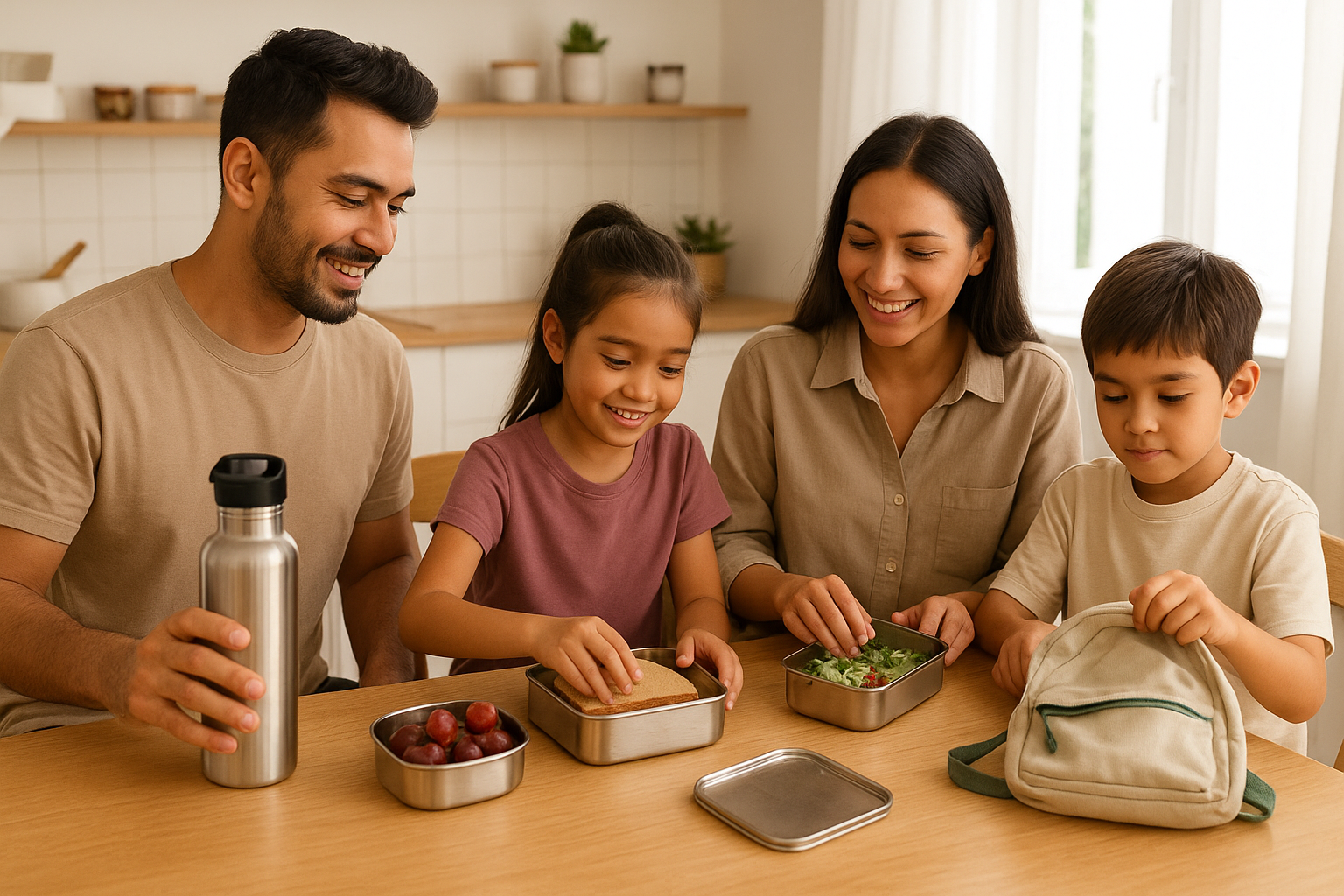
• Kemas bekal makan siang dalam wadah baja, bukan kemasan sekali pakai.
Perilaku keluarga mulai bergeser dari reaksi menjadi strategi.
Minggu ke-4 — Optimalkan untuk Penghematan Jangka Panjang
Di sinilah keluarga menyadari alasan bisnis sebenarnya di balik perubahan tersebut.
• Lebih sedikit penggantian produk
• Mengurangi ketergantungan pada pembelian sekali pakai
• Mengurangi volume pengelolaan limbah
• Manfaat kesehatan dan keamanan pangan
Keberlanjutan menjadi model operasi standar—bukan sekadar proyek.
5. Nilai Emosional dan Budaya dari Pengurangan Sampah Rumah Tangga
Keberlanjutan bukan hanya masalah rasional—tetapi juga emosional.
Laporan keluarga:
• Rasa tanggung jawab
• Tujuan bersama antara orang tua dan anak
• Kesadaran yang lebih baik saat berbelanja
• Meningkatnya apresiasi terhadap barang-barang yang tahan lama dan berkualitas tinggi.
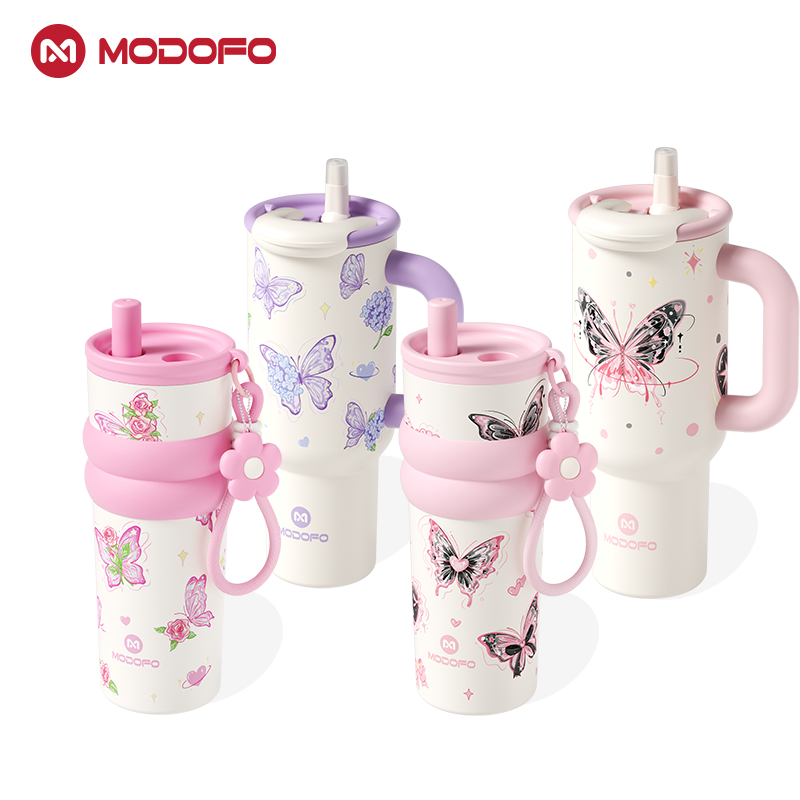
Anak-anak khususnya merespons rutinitas dan simbolisme. Memiliki gelas minum baja yang kokoh dan berwarna-warni membuat mereka merasa terlibat dalam gerakan penting, dan merek seperti MODOFO sengaja membangun bahasa desain yang ramah anak dan menyenangkan untuk memperkuat rasa keterkaitan tersebut.
Keberlanjutan adalah sebuah budaya, bukan sekadar daftar periksa.
6. Hambatan Praktis dan Cara Mengatasinya
Transisi ini tidak berjalan mulus. Keluarga-keluarga menyebutkan tiga kekhawatiran:
1. Berat
Peralatan minum berbahan baja modern jauh lebih ringan daripada generasi sebelumnya. Sebagai contoh, lini produk anak-anak MODOFO dirancang untuk kenyamanan dan kemudahan dibawa.
2. Harga
Baja membutuhkan investasi awal, tetapi total biaya kepemilikan jauh lebih rendah. Satu mesin pencuci piring dapat menggantikan puluhan mesin pencuci piring berbahan plastik.
3. Perubahan Kebiasaan
Penataan ulang rutin—menetapkan titik penyimpanan strategis, kebiasaan pembersihan harian, dan penggunaan yang konsisten—memperlancar peralihan tersebut.
Perubahan perilaku menjadi berkelanjutan ketika produk bersifat intuitif dan menyenangkan untuk digunakan.
7. Mengukur Dampak Pengurangan Limbah
Penggantian keluarga pada umumnya:
• Dua botol plastik per anak per bulan
• Empat wadah plastik yang dapat digunakan kembali tetapi berumur pendek per triwulan
• Wadah minuman untuk dibawa pulang setiap minggu
…dapat mengurangi hingga 8–12 kg sampah plastik setiap tahunnya .
Jika hal ini diterapkan pada ribuan rumah tangga, Anda akan mendapatkan dampak yang terukur terhadap beban sampah kota dan biaya operasional daur ulang.
Satu produk baja tahan karat dapat bertahan selama bertahun-tahun penggunaan aktif, secara efektif "mengunci" nilai lingkungan.
8. Studi Kasus: Tiga Tipe Keluarga yang Berhasil Melakukan Transisi
A. Keluarga Ramah Lingkungan Tingkat Pemula
Dimulai dengan mengganti botol air minum. Dalam waktu dua bulan, pembelian botol sekali pakai turun hingga 70%.
B. Keluarga Fungsional
Meningkatkan kualitas kontainer sekolah dan kantor. Jumlah sampah dari makan siang dan kebutuhan minum sehari-hari berkurang secara signifikan.
C. Keluarga yang Sepenuhnya Selaras
Menerapkan sistem rumah tangga berkelanjutan yang terintegrasi—peralatan minum dari baja, penyimpanan dapur jangka panjang, tas belanja yang dapat digunakan kembali—sehingga menciptakan pengurangan biaya dan limbah dalam jangka panjang.
MODOFO sering kali mendesain untuk ketiga persona ini, memastikan lini produk sesuai dengan tingkat motivasi dan kebutuhan gaya hidup yang berbeda.
9. Cara Memilih Peralatan Minum dan Wadah Stainless Steel Berkualitas Tinggi
Saat memilih produk jangka panjang yang berfokus pada keluarga, pertimbangkan hal-hal berikut:
• Tingkat material : 304/316 untuk kontak dengan makanan dan minuman
• Rekayasa penyegelan : Tutup anti bocor, gasket tahan lama
• Kinerja termal : Isolasi vakum dinding ganda
• Kemudahan penggunaan untuk anak-anak : Kenyamanan genggaman, kompatibilitas dengan sedotan
• Kepatuhan keselamatan : Sertifikasi yang relevan dengan wilayah Anda
• Kemudahan pembersihan : Desain mulut lebar, bagian-bagian yang dapat dilepas
Produk baja tahan karat murah memang ada, tetapi material berkualitas rendah atau isolasi yang buruk akan mengurangi nilai lingkungan. Keberlanjutan jangka panjang menuntut umur produk yang panjang.
10. Filosofi Desain MODOFO: Keberlanjutan Tanpa Komplikasi
MODOFO memposisikan dirinya bukan sebagai "merek ramah lingkungan," tetapi sebagai merek gaya hidup keluarga modern yang menggunakan keberlanjutan sebagai prinsip desain, bukan sekadar slogan pemasaran.
Pilar-pilar utama yang membentuk peta jalan produk:
1. Pola pikir yang mengutamakan materi
Mengutamakan baja, polimer bebas BPA, komponen yang dapat didaur ulang, dan konstruksi yang tahan lama.
2. Strategi siklus hidup
Merancang produk yang tahan bertahun-tahun, bukan hanya beberapa musim. Ini adalah inti dari pengurangan limbah.
3. Ergonomi yang berpusat pada keluarga
Memastikan bahwa balita, anak-anak, penumpang, dan orang tua dapat menggunakan logika desain yang sama—sederhana, intuitif, dan menyenangkan.
4. Kehangatan estetika
Keberlanjutan terkadang terasa dingin dan teknis. MODOFO menghadirkan warna, kepribadian, dan resonansi emosional yang mendorong penggunaan berulang.
5. Relevansi regional
Di Asia Tenggara, misalnya, panas di luar ruangan, perjalanan harian, dan jam sekolah yang panjang membutuhkan isolasi termal yang andal. Rangkaian produk disesuaikan dengan kebutuhan tersebut.
Melalui pendekatan ini, MODOFO mengubah gaya hidup ramah lingkungan menjadi pengalaman yang mudah, bahkan menyenangkan.
11. Kesimpulan: Pergeseran Praktis yang Berdampak Global
Beralih dari plastik ke baja bukanlah soal pengorbanan. Ini tentang menyelaraskan kehidupan sehari-hari dengan daya tahan, keamanan, dan manfaat jangka panjang. Ketika keluarga mengadopsi material yang dapat digunakan kembali dan tahan lama, efek domino yang ditimbulkannya jauh melampaui rak dapur mereka:
• Mengurangi tekanan pada tempat pembuangan sampah
• Mengurangi biaya pengelolaan sampah publik
• Ekosistem yang lebih bersih
• Konsumsi makanan dan minuman yang lebih aman
• Identitas lingkungan yang lebih sehat bagi anak-anak
• Keselarasan yang lebih kuat dengan gaya hidup berkelanjutan modern
Peran MODOFO dalam gerakan ini sederhana: menciptakan alat yang membuat gaya hidup minim limbah menjadi intuitif, tahan lama, dan menyenangkan secara estetika.
Setiap keluarga dapat memulai dari hal kecil—satu gelas minum, satu kotak bekal, satu rutinitas yang dapat digunakan kembali. Keputusan pertama itu memicu reaksi berantai berupa penghematan, keamanan, dan keberlanjutan yang terus meningkat selama bertahun-tahun.
Sampah harian adalah masalah global, tetapi solusinya dimulai dari rumah.