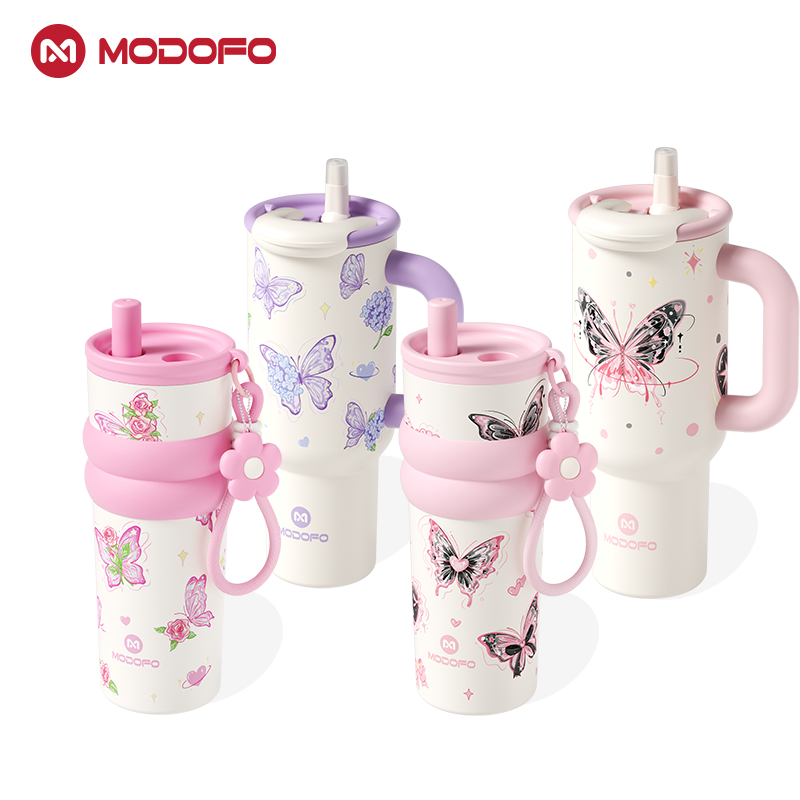


Konsumen jarang memikirkan konversi satuan—sampai mereka berbelanja botol air. Pasar peralatan minum global beroperasi dengan dua sistem pengukuran: ons (oz) dan mililiter (ml) . Koeksistensi sistem imperial dan metrik menciptakan gesekan dalam pengambilan keputusan pelanggan:
• “Berapa mlkah 20 ons?”
• “Apakah 12 ons cukup untuk sekolah?”
• “Berapa banyak alkohol yang sebaiknya dikonsumsi orang dewasa per hari?”
• “Ukuran botol berapa yang ideal untuk sesi latihan di gym?”
Artikel ini menjelaskan konversi ons ke mililiter secara sederhana, kemudian berlanjut ke panduan praktis kapasitas botol untuk orang dewasa, anak-anak, pekerja kantoran, pekerja manual, dan mereka yang menjalani gaya hidup aktif. Tujuannya adalah kejelasan operasional: membantu setiap pengguna memilih ukuran botol yang tepat tanpa perlu menebak-nebak.
1. oz vs ml: Perbedaan Kapasitas Global
Sebagian besar pasar Asia dan Eropa menggunakan mililiter (ml) .
Amerika Serikat dan sebagian Timur Tengah menggunakan ons (oz) , khususnya ons cairan (fl oz) .
Konversinya mudah:
1 ons ≈ 29,57 ml
Kalikan oz × 30 ≈ ml (perkiraan yang dapat digunakan)
Ukuran Botol Umum, Setelah Dikonversi
| Ons | Kira-kira ml | Kasus Penggunaan Khas |
|---|---|---|
| 12 ons | ~350 ml | Anak-anak / jalan-jalan singkat |
| 16 ons | ~470 ml | Penggunaan ringan sehari-hari |
| 18 ons | ~530 ml | Anak yang lebih besar / botol kantor berukuran kompak |
| 20 ons | ~600 ml | Botol standar untuk orang dewasa |
| 24 ons | ~710 ml | Kantor / pusat kebugaran |
| 32 ons | ~950 ml | Pelatihan / hari-hari panjang di luar ruangan |
| 40 ons | ~1.180 ml | Aktivitas intensitas tinggi |
Tabel konversi ini memberikan kejelasan langsung: memilih ukuran botol berarti memahami volume dengan benar + menyelaraskan volume tersebut dengan perilaku hidrasi.
2. Berapa Banyak Air yang Harus Kita Minum Setiap Hari?
Keputusan untuk membeli botol air minum tidak akan berarti tanpa memahami kebutuhan air harian. Meskipun "8 gelas sehari" (sekitar 2 liter) adalah aturan umum dalam budaya, hidrasi lebih bersifat kontekstual dan dipengaruhi oleh:
• Berat badan
• Tingkat aktivitas
• Suhu dan kelembapan
• Tingkat keringat
• Usia dan status kesehatan
Tolok Ukur Asupan Umum
Organisasi industri dan kesehatan menawarkan berbagai macam layanan:
- Dewasa (sedentari): 1,8–2,5 L per hari
- Dewasa (aktif/kantor + gym): 2,5–3,5 L per hari
- Pekerja manual / pekerjaan di luar ruangan: 3,0–4,5 L per hari
- Anak-anak: 1,0–1,6 liter per hari tergantung usia.
Saat mengubah target-target ini menjadi pilihan botol, konsumen mendapatkan panduan yang mudah dipahami. Misalnya:
Jika orang dewasa menargetkan konsumsi 2,5 L/hari , botol berukuran 32 oz / 1 L berarti tiga kali isi ulang.
Jika anak menargetkan asupan 1,2 L/hari , botol berukuran 500–600 ml sangat cocok untuk seharian di sekolah.
3. Memilih Ukuran Botol yang Tepat Berdasarkan Kelompok Pengguna
3.1 Anak-anak: Kisaran 12–18 ons / 350–530 ml
Anak-anak membutuhkan botol yang sesuai dengan:
• Tangan lebih kecil
• Jadwal sekolah
• Sering terjatuh dan penanganan kasar
• Kebutuhan kebersihan yang lebih tinggi
Kapasitas ideal: 12–18 ons (350–530 ml)
Rangkaian produk ini memberikan hidrasi yang cukup untuk jam sekolah tanpa menambah berat atau volume berlebihan.
Contoh yang bagus dalam kategori ini adalah MODOFO Panda Series 530ml Kids Tumbler , yang dibuat dengan bagian dalam dari baja tahan karat 316. Bagi orang tua, kapasitasnya sangat pas: cukup untuk satu pagi penuh hingga makan siang tanpa perlu sering mengisi ulang. Bagian dalam berbahan baja tahan karat 316 juga mengatasi masalah keamanan dan kebersihan—penting karena anak-anak sering minum susu, jus, dan air hangat.
Untuk anak-anak yang lebih kecil (3–7 tahun):
350–450 ml memudahkan penanganan dan mengurangi berat.
Untuk anak yang lebih besar (8–12 tahun):
450–530 ml sesuai dengan kebutuhan asupan yang lebih tinggi.
3.2 Pekerja Kantoran: 20–25 ons / 600–750 ml
Lingkungan perusahaan menghasilkan pola hidrasi yang dapat diprediksi:
• Kopi pagi → dehidrasi
• Ruangan ber-AC → kehilangan kelembapan
• Gaya hidup kurang aktif → sinyal haus lebih rendah
Para karyawan mendapat manfaat dari kapasitas yang mendukung kebutuhan hidrasi selama setengah hari tanpa perlu sering mengisi ulang.
Kapasitas ideal: 20–25 ons (600–750 ml)
Hal ini sejalan dengan praktik sederhana yang digunakan dalam program kesehatan:
Minumlah satu botol penuh sebelum makan siang , dan satu botol lagi setelah makan siang → sekitar 1,2–1,5 liter dengan mudah.
Botol dengan ukuran di bawah 18 ons memaksa terlalu sering diisi ulang, sementara botol dengan ukuran di atas 32 ons menjadi tidak sesuai untuk gaya hidup bekerja di meja (terlalu besar untuk saku tas, tempat gelas, atau ruang kerja yang berantakan).
3.3 Pengguna Gym & Fitness: 24–32 ons / 710–950 ml
Hidrasi saat berolahraga sangat sensitif terhadap volume. Selama latihan fisik, tingkat keringat dapat bervariasi:
• Aktivitas ringan: 0,5–1,0 L/jam
• Intensitas sedang: 1,0–1,5 L/jam
• Intensitas tinggi: 1,5–2,0 L/jam
Botol berukuran 600 ml tidak dapat mencukupi kebutuhan hidrasi berkelanjutan selama latihan 60–90 menit.
Kapasitas ideal: 24–32 ons (710–950 ml)
Botol berukuran 32 oz menyederhanakan alur kerja: satu kali isi ulang cukup untuk seluruh sesi latihan di gym + pendinginan.
Komunitas kebugaran juga menghargai:
• Mekanisme pembukaan satu tangan
• Isolasi berkapasitas tinggi
• Bukaan lebar untuk elektrolit dan es
Segmen pelanggan ini didorong oleh kapasitas dan kenyamanan secara bersamaan.
3.4 Pekerja Manual & Profesional Luar Ruangan: 32–40 ons / 950–1180 ml
Kelompok ini mengalami kehilangan air tertinggi, terutama di bidang konstruksi, pertanian, logistik, dan operasi industri. Kelelahan, stres akibat panas, dan dehidrasi seringkali berkorelasi langsung dengan kurangnya hidrasi.
Kapasitas ideal: 32–40 ons (1–1,2 L)
Ini mendukung satu siklus pengisian ulang setiap beberapa jam.
Pedoman kesehatan kerja merekomendasikan:
“Minumlah 250 ml setiap 15–20 menit selama aktivitas yang menghasilkan panas tinggi.”
Botol berukuran 1 liter menjadi pilihan yang tepat untuk menyimpan barang.
Tantangannya di sini adalah daya tahan + retensi suhu. Baja tahan karat berinsulasi dengan grade 304 atau 316 memberikan kinerja yang kuat di bawah paparan panas dan sinar UV.
3.5 Konsumen Sehari-hari / Penggunaan Rumah Tangga: 16–24 ons / 470–710 ml
Tidak semua pengguna mencari hasil performa. Banyak yang memilih botol berdasarkan:
• Preferensi estetika
• Penggunaan di atas meja
• Pengendalian porsi
• Pelacakan kebiasaan
Kapasitas ideal: 16–24 ons (470–710 ml)
Ini mencakup siklus hidrasi kasual tanpa komitmen menggunakan botol berkapasitas besar.
Isolasi tetap relevan bagi mereka yang mengonsumsi minuman hangat atau menghabiskan waktu lama di luar ruangan.
4. Isolasi dan Material Penting: Mengapa Baja Tahan Karat Mendominasi Segmen Premium
Kapasitas botol hanyalah setengah dari persamaan. Pilihan bahan semakin memengaruhi keputusan pembelian—terutama di kalangan orang tua dan konsumen yang berorientasi pada kesehatan.
Baja Tahan Karat 316: Keunggulan Kelas Medis
Baja tahan karat 316 mengandung molibdenum, yang meningkatkan:
• Ketahanan terhadap korosi
• Toleransi terhadap cairan asam
• Ketahanan terhadap panas
• Netralitas rasa
Inilah mengapa Tumbler Anak Seri Panda MODOFO menggunakan bahan interior kelas 316. Anak-anak sering minum air hangat, jus, atau susu; bahan 316 secara dramatis meningkatkan kebersihan dan mempertahankan rasa.
Baja tahan karat 304 tetap menjadi standar industri, tetapi 316 menawarkan ketenangan pikiran yang lebih tinggi bagi pengguna dengan frekuensi tinggi.
5. Bagaimana oz/ml Mempengaruhi Kebiasaan Hidrasi: Wawasan Data Perilaku
Konsumsi cairan ditentukan oleh kemudahan. Ukuran botol sangat memengaruhi perilaku konsumsi.
Botol lebih kecil = lebih sering isi ulang = kepatuhan lebih rendah
Studi menunjukkan bahwa pengguna dengan botol berkapasitas <500 ml seringkali gagal mencapai target hidrasi karena pengisian ulang menjadi kendala dalam pengambilan keputusan.
Botol yang lebih besar = beban awal yang lebih tinggi + kepatuhan berkelanjutan yang lebih tinggi.
Pengguna dengan botol berukuran 750 ml–1 liter mengonsumsi minuman secara lebih konsisten karena:
• Mereka mengisi ulang lebih jarang.
• Mereka “melihat” target harian mereka
• Mereka menganggap botol tersebut sebagai penunjang hidrasi dalam rutinitas mereka.
Anak-anak mendapat manfaat dari botol berukuran sedang (350–530 ml) karena botol ini menyeimbangkan antara kemudahan dibawa dan pembentukan kebiasaan.
Para pengguna gym lebih menyukai botol berukuran lebih besar karena kebutuhan akan laju keringat yang tinggi.
Staf kantor tetap mematuhi aturan dengan menggunakan botol berkapasitas sedang karena sesuai dengan alur kerja.
Ukuran botol bukan hanya soal volume—tetapi juga rekayasa perilaku.
6. Iklim dan Lingkungan Juga Mempengaruhi Kapasitas Botol
Iklim panas (Malaysia, Indonesia, Singapura, Timur Tengah) membutuhkan hidrasi yang lebih tinggi di siang hari karena kelembapan dan indeks panas. Konsumen di wilayah ini sering cenderung memilih:
• 20–25 ons untuk kantor
• 24–32 ons untuk gym
• 32–40 ons untuk pekerjaan di luar ruangan
• 500–600 ml untuk anak sekolah
Perilaku pasar ini secara alami mendorong adopsi baja tahan karat berinsulasi.
7. Cara Memilih Ukuran Botol yang Tepat: Kerangka Kerja Sederhana
Konsumen membuat keputusan lebih cepat ketika diberikan aturan yang fungsional. Berikut adalah kerangka kerja penentuan ukuran yang mencakup 90% kasus penggunaan:
1. Tentukan target hidrasi harian Anda
Dewasa: 2–3L
Anak-anak: 1–1,6 liter
Atlet/Pekerja Manual: 3–4,5 L
2. Bagi dengan toleransi isi ulang Anda
Toleransi pengisian ulang rendah → 700 ml–1L
Sedang → 500–700 ml
Tinggi → 350–450 ml
3. Sesuaikan ukuran botol dengan lingkungan sekitar.
Kantor: 20–25 ons
Gym: 24–32 ons
Anak-anak: 12–18 ons
Pekerjaan di luar ruangan: >32 ons
4. Sesuaikan bahan botol dengan standar keamanan yang diharapkan.
Kebutuhan kebersihan tinggi → baja tahan karat 316
Penggunaan umum → baja tahan karat 304
Penggunaan kasual intensitas rendah → Tritan atau PP
8. Merangkum Semuanya: Rekomendasi Botol Berdasarkan Persona
Anak-anak (Sekolah)
12–18 ons / 350–530 ml
Panda Series 530ml sangat cocok:
• Tutup sekali tekan
• Sedotan silikon
• Anti bocor
• Bagian dalam 316 untuk keamanan susu/jus
Dewasa (Kantor)
20–25 ons / 600–750 ml
Mendukung kebutuhan hidrasi setengah hari per isi ulang.
Pengguna Kebugaran
24–32 ons / 710–950 ml
Satu kali isi ulang per sesi latihan.
Pekerja Manual
32–40 ons / 1–1,2 liter
Mendukung hidrasi berkelanjutan dalam kondisi panas.
Penggunaan di Rumah
16–24 ons / 470–710 ml
Nyaman untuk aktivitas santai.
9. Mengapa Kesadaran akan Perbedaan Ons dan Milimeter Meningkatkan Keputusan Pembelian
Ketika pelanggan memahami keselarasan ons-ke-mililiter, mereka:
• Hindari ukuran yang terlalu kecil
• Mengurangi tingkat penyesalan
• Meningkatkan kepatuhan terhadap target hidrasi
• Beli dengan kejelasan yang lebih tinggi
• Pilih material yang sesuai dengan gaya hidup dan kebutuhan keselamatan.
Bagi peritel dan merek, mendidik konsumen meningkatkan kepercayaan pembelian—dan mengurangi hambatan pengembalian barang.
Bagi orang tua, profesional, atau atlet, memilih kapasitas yang tepat adalah keputusan produktivitas, bukan keputusan estetika.
Kesimpulan
Perdebatan antara ons dan mililiter bukan hanya soal teknis—ini adalah alat strategis untuk memilih ukuran botol yang tepat. Setelah konsumen memahami bagaimana volume berkaitan dengan gaya hidup, kebutuhan hidrasi, kelompok usia, dan lingkungan, kapasitas botol yang ideal akan menjadi jelas.
Anak-anak tumbuh subur dengan 350–530 ml.
Para pekerja kantoran mengoptimalkan kinerja mereka dengan 600–750 ml.
Atlet dan pekerja manual meraih kesuksesan dengan solusi senilai 1 lakh+.
Dan ketika standar material menjadi penting—terutama untuk anak-anak atau penggunaan frekuensi tinggi—baja tahan karat 316 memberikan tingkat keamanan dan keandalan yang lebih tinggi.
Ukuran botol yang tepat menghasilkan hidrasi yang lebih baik, performa harian yang lebih baik, dan rutinitas kesehatan yang lebih bersih. Memahami satuan ons dan ml akan memberi konsumen pemahaman yang tepat untuk membuat keputusan yang benar.