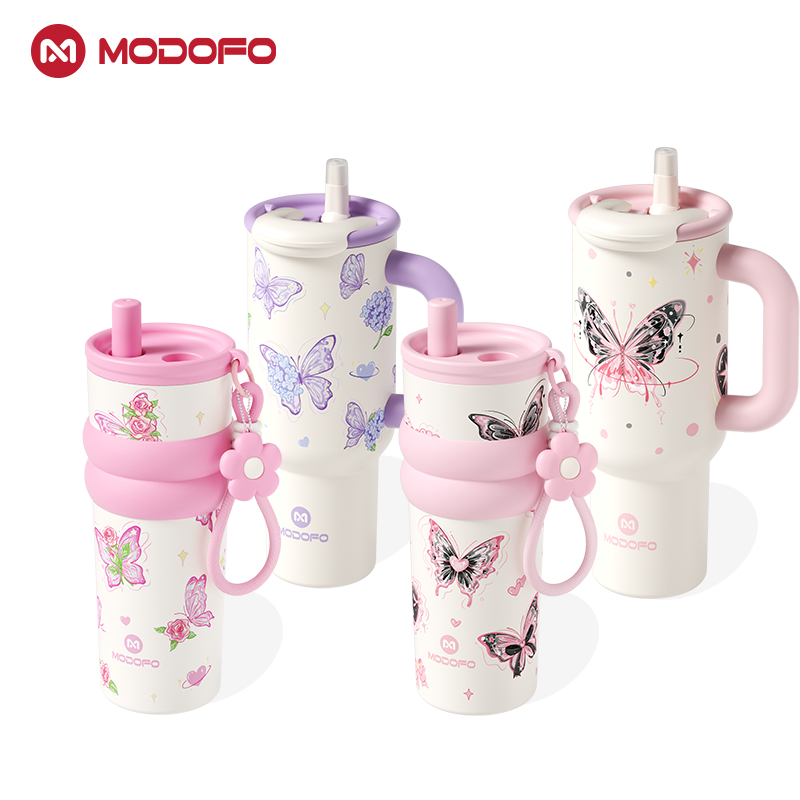


1. Mengapa Peralatan Minum Anak-Anak Membutuhkan Standar Keamanan yang Lebih Tinggi
Anak-anak kecil berinteraksi dengan botol mereka secara berbeda dari orang dewasa. Mereka mengunyah sedotan, menyeret botol di lantai, memasukkan setiap komponen ke dalam mulut mereka, dan sering menggunakan botol sebagai mainan daripada alat untuk minum. Pola perilaku ini meningkatkan risiko paparan.
1.1 Perilaku penggunaan yang membutuhkan rekayasa khusus
Anak-anak sering kali:
• Menjatuhkan botol dari meja, kereta bayi, atau tempat tidur
• Gigit atau kunyah ujung sedotan
• Kocok botol dalam posisi terbalik
• Biarkan sisa susu lebih lama dari yang disarankan
Perilaku ini menciptakan risiko keselamatan dan kebersihan yang tidak dirancang untuk ditangani oleh peminum dewasa.
1.2 Risiko paparan material yang lebih tinggi
Dibandingkan dengan orang dewasa, anak-anak memiliki:
• Sensitivitas lebih tinggi terhadap pelarutan kimia
• Toleransi yang lebih rendah terhadap kontaminan mikro
• Risiko tersedak atau penyumbatan saluran napas lebih besar
Inilah mengapa peralatan minum anak-anak harus menggunakan komposisi material yang lebih aman, komponen yang lebih lembut, dan kontrol kualitas yang ketat.
2. Standar Keselamatan Wajib yang Harus Dipertimbangkan Orang Tua
Gelas minum anak-anak harus memenuhi standar internasional yang diakui terkait bahan, logam berat, dan paparan bahan kimia. Orang tua harus mencari label yang jelas—bukan klaim yang samar-samar seperti “bahan aman”.
2.1 Persyaratan bebas BPA, bebas BPS, dan bebas ftalat
BPA (Bisphenol A) dan BPS (Bisphenol S) adalah bahan kimia pengganggu endokrin umum yang sebelumnya digunakan dalam plastik polikarbonat. Banyak negara sekarang membatasi penggunaannya dalam produk anak-anak.
Regulasi global berbeda-beda:
• EU REACH: Pembatasan BPA yang sangat ketat
• FDA AS: Melarang BPA dalam botol bayi dan gelas minum anak
• Malaysia & Indonesia: Mengikuti standar keamanan kontak makanan internasional
Botol susu anak yang memenuhi standar harus secara jelas menyatakan bebas BPA, bebas BPS, dan bebas ftalat .
2.2 Kepatuhan kontak dengan makanan (LFGB / standar FDA)
Sertifikasi LFGB (Jerman) dan FDA (AS) menegaskan bahwa bahan-bahan yang bersentuhan dengan minuman tidak melepaskan bahan kimia berbahaya.
Orang tua harus memverifikasi:
• Silikon kelas makanan
• Plastik yang aman untuk kontak dengan makanan (jika ada bagian yang menggunakan PP atau Tritan)
• Dokumentasi pengujian yang tepat
2.3 Baja tahan karat logam berat pengaman
Gelas minum anak-anak berkualitas tinggi menggunakan:
• Baja tahan karat 304
• Baja tahan karat 316 (untuk ketahanan korosi yang lebih tinggi)
Pengujian harus memastikan:
• Timbal nol dalam timah solder
• Tidak mengandung kromium atau nikel melebihi batas yang dapat diterima
• Tidak meninggalkan rasa logam seiring waktu
Merek yang bertanggung jawab akan mengungkapkan mutu baja yang digunakannya dengan jelas.
2.4 Keamanan termal
Anak-anak tidak boleh mengambil risiko terbakar saat memegang minuman hangat.
Pertimbangan teknik meliputi:
• Isolasi vakum dinding ganda
• Suhu permukaan luar di bawah ambang batas aman
• Struktur penutup yang mencegah pelepasan uap secara tiba-tiba
Tumbler anak yang aman menyeimbangkan kinerja insulasi dengan kemudahan penggunaan bagi anak.
3. Rekayasa Sistem Jerami — Faktor yang Paling Sering Diabaikan
Banyak orang tua berasumsi semua sedotan itu sama, tetapi sebenarnya rekayasa sedotan adalah salah satu komponen keselamatan paling penting dalam gelas minum anak-anak.
3.1 Desain aliran udara anti-sesak
Sedotan anak-anak harus mempertimbangkan hal-hal berikut:
• Kontrol diameter untuk mencegah penyumbatan
• Desain lubang ventilasi untuk aliran udara yang lancar
• Pembatasan laju aliran untuk menghindari konsumsi minuman berlebihan
Sedotan anti-tersedak yang tepat dilengkapi dengan katup udara yang diatur untuk menghindari hisapan tiba-tiba atau semburan cairan.
3.2 Sedotan silikon lembut vs. sedotan plastik keras
Silikon lembut berkualitas food-grade:
• Mengurangi risiko cedera gigi
• Mencegah kerusakan akibat gigitan keras
• Meminimalkan retakan mikro
Plastik keras kurang disarankan untuk balita karena risiko benturan pada gigi.
3.3 Sistem katup anti bocor
Sistem penutup jerami yang kokoh meliputi:
• Katup anti tumpah internal
• Ventilasi terkontrol
• Cincin segel terintegrasi
Ini mencegah kebocoran saat anak-anak mengocok botol dengan kuat atau membalikkannya.
3.4 Arsitektur pencegahan jamur
Jamur adalah masalah kebersihan nomor satu pada gelas anak-anak.
Sistem sedotan yang higienis harus mencakup:
• Komponen yang dapat dilepas sepenuhnya
• Tidak ada sudut buta di bagian dalam tutupnya
• Aman untuk dicuci di mesin pencuci piring
• Permukaan silikon yang halus untuk mencegah sisa makanan menempel.
Orang tua harus memeriksa seberapa mudah tutup dan sedotan dapat dibongkar. Jika pembersihan membutuhkan alat tajam atau tidak dapat menjangkau area tersembunyi, desain tersebut tidak cocok untuk anak-anak.
Penempatan Visual yang Direkomendasikan (Bagan #1)
“Perbandingan Struktur Jerami: Standar vs. Rekayasa yang Aman untuk Anak”
Ilustrasi potongan sederhana yang menunjukkan lubang ventilasi aliran udara, katup, ujung sedotan, dan perbandingan kualitas silikon.
4. Arsitektur Ketahanan pada Gelas Minum Anak-Anak
Rutinitas minum anak-anak membuat gelas minum lebih rentan terhadap benturan dibandingkan penggunaan orang dewasa. Oleh karena itu, daya tahan adalah fitur utama—bukan fitur opsional.
4.1 Rekayasa ketahanan terhadap benturan
Elemen-elemen kunci meliputi:
• Struktur dasar yang diperkuat
• Desain tepi membulat untuk meredam guncangan
• Ketebalan baja tahan karat anti penyok
Gelas yang dirancang dengan baik akan tahan terhadap benturan berulang tanpa mengganggu isolasi vakum internalnya.
4.2 Lapisan anti gores
Baja tahan karat berlapis bubuk lebih disukai karena:
• Ketahanan gesekan yang lebih tinggi
• Ketahanan warna lebih lama
• Tidak mengelupas
Permukaan yang dicat seringkali terkelupas dan menimbulkan risiko tertelan bagi anak-anak.
4.3 Sistem pengunci pegangan & tutup
Anak-anak sering menarik, memutar, dan membanting tutup botol mereka.
Sistem penguncian yang andal harus:
• Mampu menahan tekanan mekanis yang tinggi
• Menawarkan siklus buka/tutup yang stabil
• Hindari bagian-bagian kecil yang mudah lepas
Merek-merek berkualitas menguji tutupnya selama ribuan siklus buka/tutup untuk memastikan daya tahannya.
4.4 Kinerja suhu vs. berat
Anak-anak tidak dapat membawa gelas berat dengan nyaman.
Para insinyur harus menyeimbangkan:
• Ketebalan isolasi
• Kepadatan baja tahan karat
• Bentuk yang ringkas
• Pegangan ergonomis
Tumbler anak-anak premium mengoptimalkan kemampuan mempertahankan suhu dan bobot yang ringan.
Penempatan Visual yang Direkomendasikan (Bagan #2)
“Perbandingan Kinerja Uji Jatuh: Gelas Minum Anak-Anak vs. Botol Standar”
5. Kebersihan & Perawatan — Faktor Penentu yang Sesungguhnya
Orang tua sering mengganti botol karena kesulitan membersihkannya, bukan karena anak sudah tidak muat lagi dengan ukuran botol tersebut.
5.1 Sistem tutup yang mudah dibongkar
Tumbler anak berkualitas tinggi harus memenuhi persyaratan berikut:
• Pembongkaran tutup sepenuhnya
• Pelepasan sedotan dalam hitungan detik
• Akses mudah ke alur internal
Desain tersebut tidak boleh memerlukan peralatan khusus.
5.2 Kompatibilitas dengan mesin pencuci piring
Tidak semua komponen boleh dimasukkan ke dalam mesin pencuci piring.
Aturan umum:
• Bodi baja tahan karat — biasanya aman untuk mesin pencuci piring
• Sedotan silikon — aman
• Tutup dengan bagian yang bergerak — hanya di rak atas atau dicuci dengan tangan
Merek harus mencantumkan panduan pembersihan yang aman dengan jelas.
5.3 Daftar periksa kebersihan harian untuk orang tua
Orang tua sebaiknya mengikuti:
• Bilas segera setelah minum minuman manis
• Biarkan kering sepenuhnya semalaman untuk mencegah pertumbuhan jamur.
• Pembersihan menyeluruh tutup dan sedotan setiap minggu.
Penyesuaian sederhana dapat memperpanjang umur pakai mesin pengaduk secara signifikan.
6. Cara Mengevaluasi Tumbler Anak Sebelum Membeli
6.1 Inspeksi tingkat rak
Orang tua dapat dengan cepat menilai kondisi tumbler dengan memeriksa:
• Label material (jenis baja, plastik yang digunakan)
• Kelembutan jerami
• Kualitas cincin penyegel tutup
• Keseimbangan berat
Jika informasi mengenai bahan-bahan tidak diungkapkan secara jelas, itu merupakan tanda bahaya.
6.2 Tes stres di rumah
Tes sederhana yang direkomendasikan:
• Uji jatuh ringan di atas karpet
• Uji kebocoran dengan menggoyangkan terbalik
• Tes gigitan (tekanan lembut dengan jari untuk menilai kekerasan)
Tes-tes ini mengungkap kelemahan struktural sejak dini.
6.3 Pertanyaan yang perlu diajukan kepada merek
Orang tua sebaiknya bertanya:
• Apakah botol tersebut menggunakan bahan yang sesuai dengan standar LFGB atau FDA?
• Jenis baja tahan karat apa yang digunakan?
• Apakah suku cadang pengganti tersedia (sedotan, tutup)?
• Apakah ada dokumentasi pengujian dari pihak ketiga?
Merek yang transparan selalu memberikan informasi yang dapat diverifikasi.
7. Harga vs. Kinerja — Memahami Nilai
Gelas minum anak-anak premium harganya lebih mahal karena memberikan:
• Material dengan tingkat keamanan lebih tinggi
• Rekayasa struktur yang lebih baik
• Masa hidup lebih panjang
• Siklus penggantian lebih pendek
• Isolasi yang lebih konsisten
Gelas minum anak-anak yang berkualitas baik seringkali awet bertahun-tahun, sehingga mengurangi biaya dan limbah dibandingkan dengan alternatif yang lebih murah yang perlu sering diganti.
Penempatan Visual yang Direkomendasikan (Bagan #3)
“Rincian Biaya: Gelas Minum Anak Kelas Bawah vs. Kelas Menengah vs. Kelas Premium”
8. Kerangka Ringkasan untuk Orang Tua
Orang tua dapat menyederhanakan keputusan pembelian mereka dengan menggunakan kerangka kerja tiga pilar berikut:
1. Standar Keselamatan
Periksa apakah produk bebas BPA, bebas BPS, bebas ftalat, sesuai standar LFGB/FDA, dan telah diuji kandungan logam beratnya.
2. Teknik Jerami
Prioritaskan desain anti-tersedak, silikon lembut, katup anti bocor, dan tutup yang dapat dilepas.
3. Daya Tahan & Kebersihan
Fokus pada ketahanan terhadap benturan, lapisan cat bubuk, kompatibilitas dengan mesin pencuci piring, dan kemudahan pembersihan.
Tumbler yang unggul dalam tiga kriteria ini memberikan nilai jangka panjang tertinggi bagi keluarga.
Rekomendasi Produk Unggulan untuk Orang Tua
1. MODOFO 500ml Carry Berry Insulated Tumbler dengan Tali
Usia yang disarankan: 5–10 tahun
Positioning: Botol ringan untuk penggunaan sehari-hari yang dirancang untuk sekolah dan mobilitas di luar ruangan.
Fitur Utama:
- Membawa tas tanpa menggunakan tangan berkat tali bahu yang dapat disesuaikan untuk memudahkan pergerakan.
- Isolasi vakum menjaga minuman tetap panas atau dingin selama berjam-jam.
- Tutup anti bocor yang dirancang untuk tas sekolah dan perjalanan sehari-hari.
- Bahan bebas BPA dan aman untuk anak-anak, cocok untuk hidrasi sehari-hari.
Tautan Produk:
https://modofo.net/products/modofo-products-500ml-carry-berry-insulated-tumbler-with-strap
2. MODOFO 600ml Gelas Minum Lucu (Baja Tahan Karat 316) dengan Sedotan
Usia yang disarankan: 6–12 tahun
Positioning: Tumbler premium berbahan stainless steel kelas medis 316 untuk orang tua yang memprioritaskan keamanan dan daya tahan.
Fitur Utama:
- Baja tahan karat 316 menawarkan ketahanan korosi yang unggul—ideal untuk air, teh, dan minuman rendah asam.
- Sedotan terintegrasi memberikan kemudahan dan kelancaran saat minum, cocok untuk penggunaan sehari-hari anak-anak.
- Desain kartun yang lucu mendorong anak-anak untuk minum lebih banyak air secara mandiri.
- Isolasi dinding ganda mendukung kegiatan sekolah, olahraga, dan rekreasi akhir pekan.
Tautan Produk:
https://modofo.net/products/modofo-600ml-cute-tumbler-316-thermos-water-bottle-with-straw-portable-aquaflask-tumbler-kids-tumbler-kids-thermos-flask-cute-cartoon-water-bottle-botol-air-tahan-sejuk-tumbler-murah
3. MODOFO Aksesoris Gantungan Boneka Lucu untuk Tumbler
Usia yang disarankan: 5–12 tahun
Penempatan: Aksesori personalisasi yang dirancang untuk membuat gelas minum anak lebih menyenangkan dan mudah dikenali.
Fitur Utama:
- Dapat dipasang pada pegangan, tutup, atau tali untuk membantu anak-anak mengenali botol mereka sendiri dengan cepat.
- Desain ringan yang tidak mengganggu penggunaan sehari-hari.
- Tepi yang halus dan aman, cocok untuk anak-anak.
- Mendukung ekspresi pribadi dan mengurangi kemungkinan kehilangan botol di sekolah.
Tautan Produk:
https://modofo.net/products/modofo-tumbler-cute-dolls-charm-accessories-for-insulated-tumbler-bottle-cute-pendant-cute-keychain-handle-charm-for-modofotumbler
4. Botol Termos MODOFO 18oz
Usia yang disarankan: 8–14 tahun
Positioning: Botol stainless steel berinsulasi berkapasitas besar untuk anak-anak aktif.
Fitur Utama:
- Kapasitas 18oz (sekitar 530ml) mendukung hidrasi sepanjang hari.
- Isolasi vakum meningkatkan daya tahan dan menjaga stabilitas suhu.
- Cocok untuk olahraga, sekolah, dan jadwal aktivitas tinggi.
Tautan Produk:
https://modofo.net/products/modofo-tumbler-18oz-thermos-bottle
5. Tumbler Anak MODOFO 18oz (Seri Kartun Lucu)
Usia yang disarankan: 6–12 tahun
Positioning: Gelas minum serbaguna untuk penggunaan sehari-hari yang dirancang untuk sekolah dan bermain di luar ruangan.
Fitur Utama:
- Tutup sedotan dirancang untuk menyeruput sedikit demi sedikit secara berkala, mengurangi risiko tersedak.
- Pola kartun yang menarik meningkatkan keterikatan anak-anak dan penggunaan sehari-hari.
- Struktur anti bocor yang cocok untuk ransel dan perjalanan.
Tautan Produk:
https://modofo.net/products/modofo-18oz-kids-tumbler-kids-thermos-water-bottle-thermos-flask-stainless-steel-cute-cartoon-water-bottle-water-cup-botol-air-tahan-sejuk-portable-aquaflask-tumbler
6. Tumbler Anak MODOFO 12oz (Seri Kartun Lucu)
Usia yang disarankan: 3–6 tahun
Positioning: Sebuah tumbler yang ringkas dan ringan, dirancang untuk balita dan anak prasekolah.
Fitur Utama:
- Kapasitas 12oz (sekitar 350ml) dirancang untuk tangan yang lebih kecil dan penggunaan sehari-hari di sekolah.
- Corong sedotan mengurangi tumpahan dan mendukung proses minum yang lembut dan terkontrol.
- Desain lucu yang ideal untuk kegiatan prasekolah, taman kanak-kanak, dan anak-anak usia dini.
Tautan Produk:
https://modofo.net/products/modofo-12oz-kids-tumbler-cute-tumbler-botol-air-budak-kids-thermos-bottle-stainless-steel-cute-cartoon-water-bottle