

Introduction: It’s Just a Sip… Or Is It?
After a full day of fasting, most people don’t really think too much about that first drink at Iftar. You’re thirsty, maybe even a bit tired, and the only thing that matters is finally taking that first sip.
But here’s the thing—this moment is actually doing more than we usually give it credit for.
That first drink doesn’t just “fix thirst.” It kind of sets the tone for everything that comes after—how you feel, how you drink later, even how comfortable your body adjusts back into eating again.
It sounds small, but it’s not that simple.
What Your Body Is Going Through After Fasting
By the time Iftar comes around, your body has already gone quite a long time without water.
You might notice things like:
- dry mouth
- low energy
- that strong urge to drink a lot, fast
This is basically your body reacting to mild dehydration. Nothing extreme in most cases, but enough to change how you behave.
And that’s where the problem starts—because most people don’t just drink… they rush.
The First Drink Isn’t Just About Thirst
It’s easy to think the first drink is just about “fixing dehydration.” But in reality, it’s more like a starting point.
A reset, in a way.
How you drink in that first minute can affect:
- how comfortable your stomach feels
- whether you continue drinking steadily later
- how quickly your body adapts again
Some people drink too much too fast and then actually slow down afterwards. Others start slow and end up drinking more overall during the night.
So yeah, it’s not just about that one sip—it kind of shapes the whole pattern.
What People Usually Drink at Iftar
This varies quite a bit depending on culture and region, but some common choices show up again and again:
- plain water
- water with dates
- sweet drinks or juices
- milk-based drinks
- traditional herbal beverages
Each of these feels different. Some are refreshing, some are heavy, some are just comforting because of habit.
There’s no “perfect” answer here. But there is definitely a difference in how they feel when you’re taking that very first drink after fasting.
Three Things People Don’t Pay Enough Attention To
Most people focus on what they drink. But honestly, how you drink matters just as much.
Temperature
Ice-cold drinks can feel amazing in the moment. Almost too good.
But sometimes they hit a bit harsh, especially after a long fast. Not everyone notices it, but for some people it’s slightly uncomfortable.
Room temperature or mildly cool drinks tend to feel… easier, I guess. Less shocking.
Speed
This is the big one.
A lot of people drink like they’re trying to “catch up” on lost water. Big gulps, very fast.
The problem is, your body doesn’t really work like that. Drinking slower actually feels better most of the time, even if it sounds counterintuitive.
Quantity
Starting with a huge amount isn’t always ideal.
A smaller, more controlled first drink, followed by gradual intake later, usually works better in practice. It just feels more natural.
How That First Drink Affects the Rest of the Night
This part is interesting, and not many people really think about it.
If you start with too much too quickly, you might actually feel less like drinking later. Kind of like your body says “okay, enough.”
But if you start light and steady, you’re more likely to keep drinking over time.
So in the end, your total hydration across the night might be very different—just because of how you started.
It’s a small behavioral shift, but it adds up.
Where Drinkware Starts to Matter (More Than You’d Expect)
This is something people often overlook.
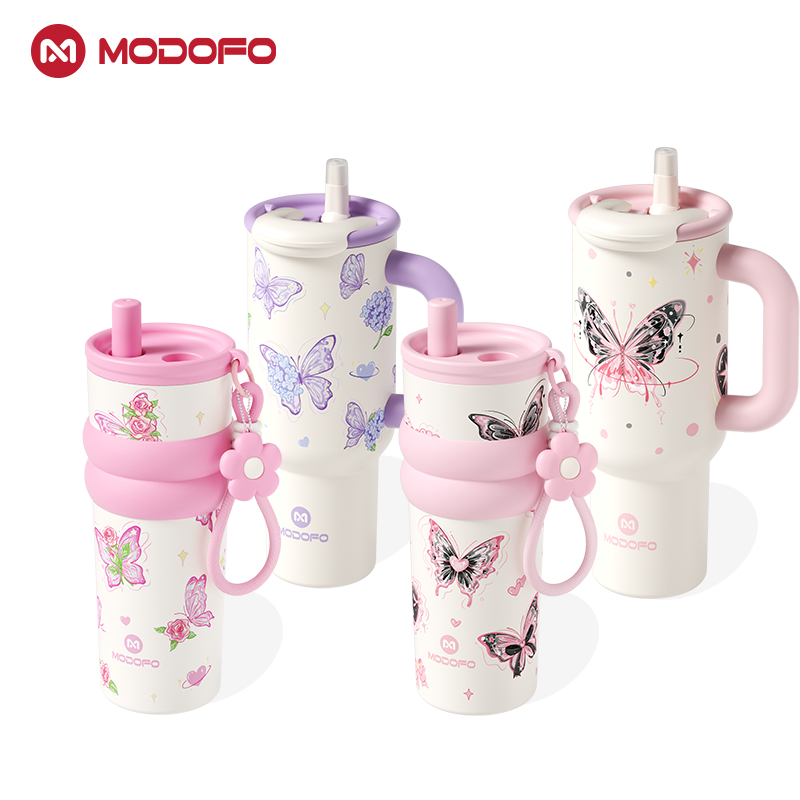
The cup or tumbler you use can quietly influence how you drink.
For example:
- A larger tumbler means fewer refills, so you’re more likely to keep drinking
- Insulated designs keep the temperature stable, which makes each sip more consistent
- Straw lids or easy-sip openings naturally slow down your drinking pace
None of this sounds dramatic, but together it shapes the experience.
It turns drinking from something reactive into something… a bit more intentional.
Building a Better Iftar Hydration Habit
This doesn’t need to be complicated.
A simple approach could look like this:
- start with a moderate amount of water
- don’t rush the first few sips
- keep drinking gradually over time
- use a tumbler that makes it easy, not something you have to think about
That’s it.
No need for strict rules or perfect routines. Just small adjustments that make the process smoother.
Looking Ahead: Hydration Is Becoming More “Designed”
Here’s where things get a bit more forward-looking.
Hydration used to be something passive—you drink when you’re thirsty, that’s it.
But that’s slowly changing.
People are starting to think more about:
- when they drink
- how they drink
- what tools they use
And during periods like Ramadan, this becomes even more noticeable.
It wouldn’t be surprising if, in the near future, we see:
- drinkware designed specifically for fasting routines
- more awareness around pacing and comfort
- products that support behavior, not just function
From that perspective, the first drink at Iftar isn’t just tradition anymore.
It’s part of a system.
Conclusion: A Small Habit Worth Rethinking
At first glance, the first drink at Iftar seems like a simple, almost automatic action.
But when you look a bit closer, it’s actually influencing more than you’d expect.
By making small changes—slowing down, adjusting quantity, paying attention to how you drink—you can turn that moment into something more balanced and comfortable.