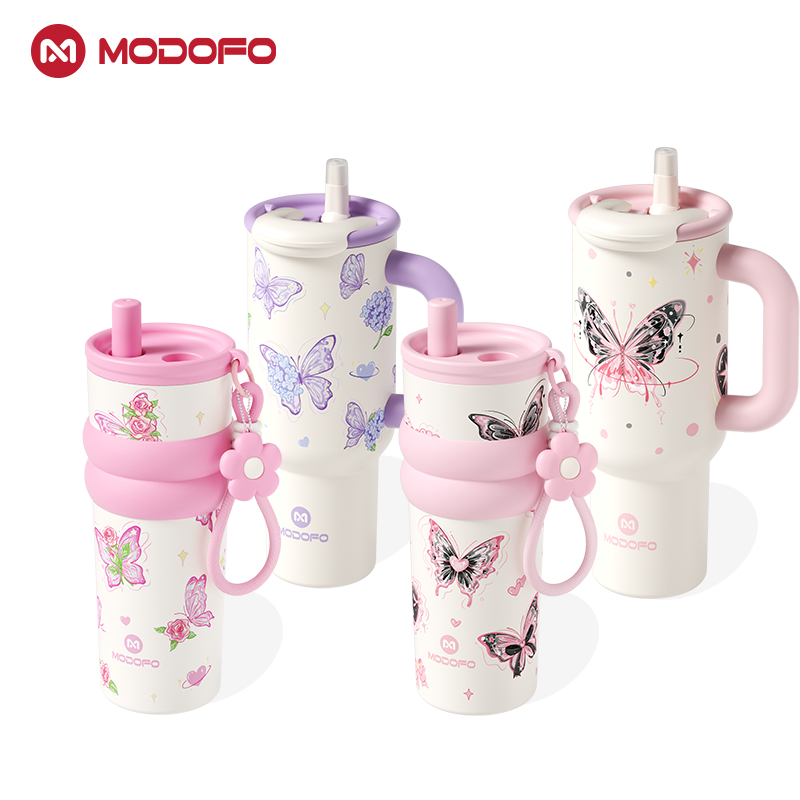

Stainless steel water bottles are widely considered one of the most durable and hygienic options for everyday hydration. They are commonly used for coffee, tea, cold water, and sports drinks because they are reusable, resistant to odors, and capable of maintaining beverage temperatures for long periods.
However, some users occasionally notice small rust spots, discoloration, or rainbow-like stains appearing inside their stainless steel bottles. This can be confusing because stainless steel is often described as “rust-resistant.” Many people immediately wonder whether their bottle is damaged or if it is still safe to drink from.
The good news is that in most cases, these stains can be removed easily using simple household cleaning methods. Rust or discoloration on stainless steel bottles usually forms due to mineral deposits, leftover beverage residue, or insufficient cleaning over time.
This guide explains why rust appears in stainless steel bottles, how to remove it safely, and how to prevent it from returning. With proper maintenance, a high-quality stainless steel bottle can last for many years.
Can Stainless Steel Bottles Rust?
Despite its name, stainless steel is not completely immune to rust. The term “stainless” refers to the material’s ability to resist corrosion better than regular steel, not its ability to eliminate rust entirely.
Most reusable drink bottles are made from food-grade stainless steel, commonly known as 304 or 316 stainless steel. These materials contain chromium, which reacts with oxygen to form a thin protective layer on the surface of the metal. This layer prevents moisture and oxygen from penetrating deeper into the steel and causing corrosion.
However, under certain conditions, this protective layer can be damaged or weakened. When that happens, oxidation may occur, leading to rust spots or discoloration.
Common causes include:
• Mineral deposits from hard water
• Salt or acidic beverage residue
• Infrequent cleaning
• Scratches inside the bottle
• Long periods of moisture exposure
These issues do not necessarily mean the bottle is permanently damaged. In many cases, the stains are only surface-level corrosion or mineral buildup that can be cleaned away.
Is Rust Inside a Water Bottle Dangerous?
Small rust spots inside a stainless steel bottle are usually not a serious health hazard. Rust itself is simply iron oxide, which is not toxic in small quantities. However, rust can indicate that the protective surface layer of the bottle has been compromised.
Even if rust does not pose an immediate safety risk, it is still best to remove it quickly. Rust spots can trap bacteria, create unpleasant flavors, and worsen over time if left untreated.
Regular cleaning and maintenance help keep your bottle hygienic and extend its lifespan.
Effective Methods to Remove Rust from Stainless Steel Bottles
Several simple cleaning methods can remove rust safely without damaging the bottle. Most of these solutions use common kitchen ingredients that break down oxidation and mineral buildup.
Below are some of the most effective techniques.
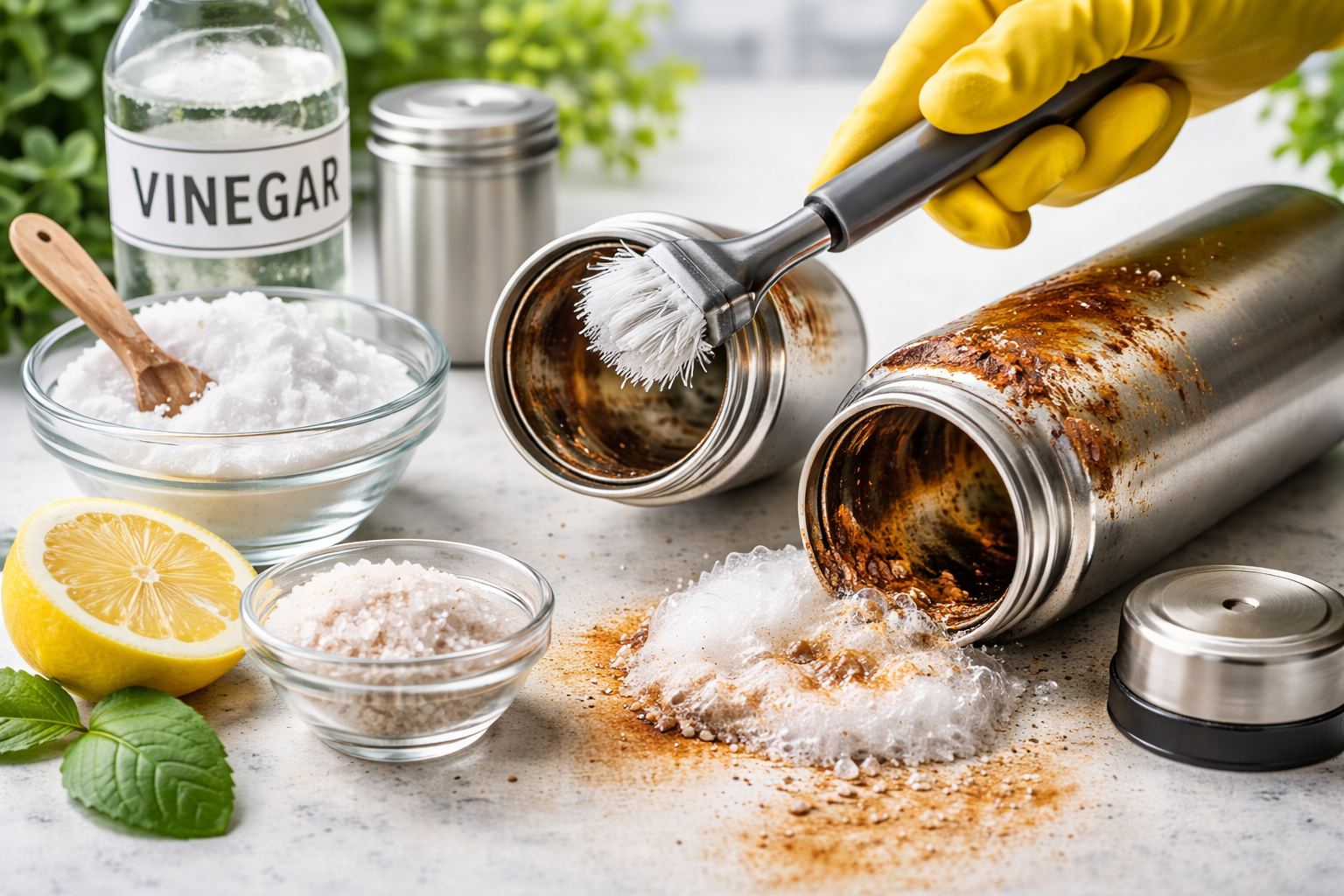
Method 1: Baking Soda Cleaning Paste
Baking soda is one of the safest and most widely recommended cleaning agents for stainless steel surfaces. Its mild abrasive properties help remove rust and stains without scratching the metal.
To use baking soda:
- Mix baking soda with a small amount of water to create a thick paste.
- Apply the paste directly to the rusted area inside the bottle.
- Use a soft bottle brush or sponge to gently scrub the stain.
- Rinse thoroughly with warm water.
- Allow the bottle to air dry completely.
This method works well for light rust spots or discoloration and is gentle enough for frequent use.
Method 2: Vinegar Soaking
White vinegar contains acetic acid, which can dissolve mineral deposits and mild rust. It is particularly effective when rust appears alongside hard water stains.
To clean a bottle with vinegar:
- Fill the bottle with a mixture of equal parts white vinegar and warm water.
- Let the solution sit for 20 to 30 minutes.
- Use a bottle brush to scrub the interior.
- Rinse thoroughly several times with warm water.
After rinsing, leave the bottle open to dry completely. Vinegar may leave a slight smell initially, but it usually disappears after a full rinse and drying.
Method 3: Lemon and Salt Treatment
Lemon juice contains natural citric acid, which reacts with rust and helps dissolve oxidation. When combined with salt, it creates a mild scrubbing compound that can lift stubborn stains.
Steps for this method:
- Sprinkle a small amount of salt onto the rusted area.
- Squeeze fresh lemon juice onto the salt.
- Allow the mixture to sit for several minutes.
- Scrub gently using a bottle brush or sponge.
- Rinse thoroughly with warm water.
This natural cleaning approach is popular because it is both effective and food-safe.
Method 4: Stainless Steel Cleaning Solutions
For more severe rust or stubborn discoloration, a commercial stainless steel cleaner may be necessary. These products are specifically designed to remove corrosion while protecting the metal surface.
When using a commercial cleaner:
• Choose a product labeled as food-safe.
• Follow the manufacturer’s instructions carefully.
• Rinse the bottle thoroughly after cleaning.
This method should generally be reserved for persistent stains that do not respond to household cleaning methods.
Properly Cleaning the Inside of a Stainless Steel Bottle
Regular cleaning prevents rust and keeps your bottle hygienic for daily use. Many rust problems begin simply because bottles are not cleaned often enough.
A good cleaning routine includes the following steps:
- Rinse the bottle with warm water after each use.
- Use a bottle brush and mild dish soap for deeper cleaning.
- Clean the lid, straw, and seals separately.
- Rinse thoroughly to remove soap residue.
- Allow the bottle to dry completely before closing the lid.
Leaving moisture trapped inside a sealed bottle can encourage mineral buildup and corrosion over time.
Common Cleaning Mistakes to Avoid
While cleaning stainless steel bottles is relatively simple, certain mistakes can damage the metal surface and increase the risk of rust.
Using Steel Wool or Metal Scrubbers
These abrasive tools can scratch the protective layer of stainless steel, making the bottle more vulnerable to corrosion.
Using Bleach or Strong Chemicals
Bleach and chlorine-based cleaners can react with stainless steel and cause permanent damage.
Leaving Drinks Inside Overnight
Coffee, tea, and acidic beverages can leave residue that contributes to staining or corrosion if left in the bottle for long periods.
Not Drying the Bottle Properly
Moisture trapped inside a sealed bottle creates ideal conditions for mineral deposits and rust spots.
Avoiding these common mistakes will significantly extend the life of your bottle.
How to Prevent Rust in Stainless Steel Bottles
Preventing rust is much easier than removing it. With a few simple habits, you can keep your bottle clean and corrosion-free for years.
Dry the Bottle After Washing
After cleaning, always allow the bottle to air dry with the lid removed. This prevents trapped moisture from causing mineral buildup.
Clean the Bottle Regularly
Daily rinsing and weekly deep cleaning are generally enough to maintain a stainless steel bottle.
Avoid Long-Term Storage of Liquids
Leaving beverages inside the bottle for extended periods increases the risk of residue buildup.
Use a Bottle Brush
A long bottle brush helps reach difficult areas at the bottom of the bottle where residue may accumulate.
Avoid Scratching the Interior
Do not insert metal utensils or sharp objects into the bottle.
Maintaining these habits helps preserve the stainless steel surface and prevents corrosion from developing.
When Should You Replace a Stainless Steel Bottle?
Although stainless steel bottles are extremely durable, they do not last forever. In some situations, replacement may be the safest option.
Consider replacing the bottle if:
• Rust continues to return after repeated cleaning
• The interior surface becomes deeply scratched
• Large areas of corrosion appear
• The vacuum insulation stops working
These issues may indicate structural damage that cannot be repaired through cleaning alone.
Stainless Steel vs Other Bottle Materials
Many people choose stainless steel bottles because they balance durability, safety, and temperature retention. Compared with other materials, stainless steel offers several advantages.
| Material | Rust Risk | Durability |
|---|---|---|
| Stainless Steel | Low | Very High |
| Glass | None | Fragile |
| Plastic | None | Moderate |
| Aluminum | Possible | Moderate |
Glass bottles eliminate the risk of rust entirely but are more fragile and prone to breaking. Plastic bottles are lightweight but may retain odors and stains over time.
Stainless steel remains one of the most popular options because it combines strength, longevity, and easy maintenance.
Frequently Asked Questions
Why does my stainless steel bottle develop rust?
Rust usually forms due to mineral buildup, residue from beverages, or damage to the protective surface layer.
Can rust be completely removed from a stainless steel bottle?
In most cases, yes. Surface rust can usually be removed with baking soda, vinegar, or lemon-based cleaning methods.
Is it safe to drink from a bottle with rust spots?
Small rust spots are generally not dangerous, but they should be cleaned promptly to prevent further corrosion.
How often should I clean my bottle?
Rinsing after each use and performing a deeper cleaning once a week is usually sufficient.
Does stainless steel rust easily?
High-quality stainless steel resists rust very well, but improper cleaning or prolonged moisture exposure can still cause corrosion.
Final Thoughts
Stainless steel bottles are designed to last for many years, but like any reusable product, they require regular care. Rust spots or stains may occasionally appear due to mineral deposits, beverage residue, or improper cleaning habits.
Fortunately, these issues are usually easy to fix. Simple household ingredients such as baking soda, vinegar, or lemon juice can remove most rust stains safely and effectively.
With consistent cleaning and proper drying, a stainless steel bottle can remain hygienic, durable, and reliable for daily use. Regular maintenance not only keeps your bottle looking clean but also ensures that it continues to perform as intended for hydration at home, work, or on the go.