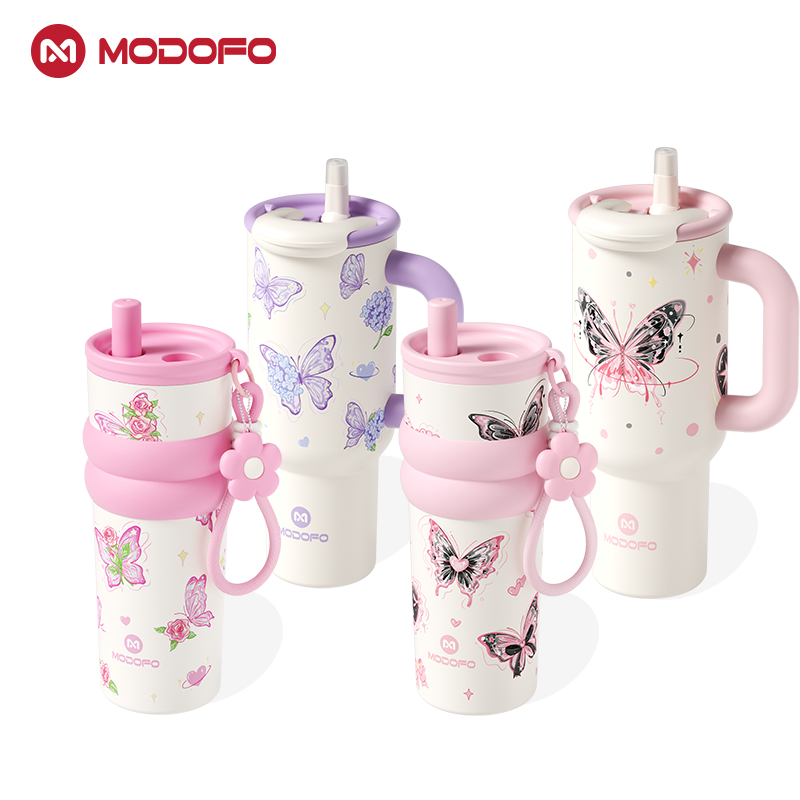


Choosing a water bottle seems simple until it isn’t. The market is crowded with options that vary in material, structure, weight, insulation technology, and price. Many buyers default to aesthetics or trending designs, only to realize weeks later that the bottle they chose does not align with how they actually drink water.
At its core, the decision between a lightweight bottle and an insulated bottle is not about which product is “better.” It is about which design best supports a user’s daily behavior, environment, and hydration habits. This article takes a practical, data-informed approach to comparing lightweight and insulated bottles, focusing on performance, trade-offs, and lifestyle alignment rather than hype.
Understanding the Two Categories
Before comparing outcomes, it is important to define what differentiates these two bottle types at a structural level.
What Is a Lightweight Water Bottle?
A lightweight water bottle prioritizes portability, simplicity, and low material mass. These bottles are commonly made from:
- Single-wall stainless steel
- Tritan or other BPA-free plastics
- Polypropylene (PP) or similar polymers
The defining characteristic is the absence of insulation layers. Heat transfer between the liquid inside and the surrounding environment occurs freely according to basic thermodynamic principles.
From a design perspective, lightweight bottles are optimized for ease of carry, low production cost, and minimal complexity.
What Is an Insulated Water Bottle?
An insulated bottle typically uses double-wall vacuum insulation, most often with stainless steel construction. The two walls are separated by a vacuum layer, which significantly reduces heat transfer through conduction and convection.
Key structural elements include:
- Inner and outer stainless steel walls
- A vacuum or low-pressure air gap
- Sealed construction to maintain insulation performance
This design increases weight and manufacturing cost but delivers temperature stability over extended periods.
Weight and Portability: The First Trade-off
Weight is the most immediately noticeable difference between the two categories.
A typical 750–1000 ml lightweight plastic bottle weighs between 120–250 grams when empty. A comparable insulated stainless steel bottle often weighs 400–550 grams before liquid is added.
Why Weight Matters in Daily Use
Weight affects behavior more than most buyers anticipate:
- Commuters and students carry bottles for hours in backpacks or tote bags.
- Travelers factor bottle weight into luggage limits.
- Casual users may abandon heavier bottles at home due to inconvenience.
In behavioral studies on product adherence, lighter everyday items are more likely to be used consistently. A bottle that feels cumbersome becomes optional, not habitual.
When Extra Weight Is Acceptable
Weight becomes less relevant when the bottle is:
- Used primarily on a desk
- Stored in a car cup holder
- Carried for temperature-critical beverages
In these contexts, insulation benefits often outweigh portability concerns.
Temperature Performance: Function vs Expectation
Temperature retention is the defining advantage of insulated bottles, but its real value depends on how long and where the bottle is used.
Performance of Lightweight Bottles
Lightweight bottles provide no active temperature control. Liquid temperature equalizes with the environment over time:
- Cold water warms quickly in hot climates
- Hot beverages cool rapidly in air-conditioned spaces
- External condensation forms easily in humid conditions
For short consumption windows—30 to 90 minutes—this limitation may be irrelevant. For extended use, it becomes noticeable.
Performance of Insulated Bottles
High-quality insulated bottles can maintain:
- Cold beverages for 12–24 hours
- Hot beverages for 6–12 hours
Independent laboratory tests show that vacuum insulation reduces heat transfer by over 90% compared to single-wall containers.
However, performance varies based on:
- Lid design and seal quality
- Frequency of opening
- Initial liquid temperature
Insulation is most valuable when beverages are consumed slowly or when environmental temperatures are extreme.
Environmental and Climate Considerations
Climate plays a larger role in bottle selection than many buyers realize.
Hot and Humid Regions
In regions with consistently high temperatures and humidity, such as Southeast Asia:
- Lightweight bottles lead to rapid warming of cold drinks
- Condensation causes external moisture and slipping
- Ice melts faster, diluting beverages
Insulated bottles mitigate these issues by maintaining internal temperature and reducing surface condensation.
Temperate or Controlled Environments
In offices, classrooms, or indoor settings with climate control:
- Temperature fluctuations are limited
- Refill stations are accessible
- Lightweight bottles perform adequately
In such contexts, insulation may be a convenience rather than a necessity.
Durability and Longevity
Durability is not only about whether a bottle breaks, but how its performance changes over time.
Lightweight Bottles
Plastic and single-wall bottles offer:
- High impact resistance (especially Tritan)
- Flexibility under stress
- Lower replacement cost
However, they may experience:
- Surface scratching
- Odor retention
- Material fatigue after prolonged use
Insulated Bottles
Stainless steel insulated bottles provide:
- Long structural lifespan
- Resistance to odor absorption
- Stable performance over years
Their primary vulnerabilities are:
- Dents affecting aesthetics (not function)
- Lid or gasket wear over time
From a lifecycle perspective, insulated bottles often last longer, but only if users tolerate the added weight.
Maintenance and Cleaning Effort
Ease of cleaning influences whether a bottle remains in regular rotation.
Lightweight Bottles
Advantages include:
- Wider mouths in many designs
- Dishwasher compatibility
- Fewer seals and components
They are generally easier to clean thoroughly and dry quickly.
Insulated Bottles
Insulated bottles often require:
- Manual cleaning to preserve vacuum seals
- More attention to lid components
- Occasional gasket replacement
While not difficult, maintenance effort is slightly higher and may discourage consistent use for some users.
Cost vs Value Over Time
Price differences between lightweight and insulated bottles can be significant.
Typical Price Ranges
- Lightweight bottles: low to mid range
- Insulated bottles: mid to high range
However, price alone does not reflect value.
Evaluating Long-Term Value
A bottle’s value depends on:
- Frequency of use
- Replacement cycle
- Satisfaction over time
A low-cost bottle replaced every few months may cost more over time than a higher-priced insulated bottle used for years. Conversely, an insulated bottle that sits unused due to weight provides no return on investment.
Lifestyle-Based Use Cases
Rather than choosing based on features, users benefit from mapping bottles to real routines.
Office Workers and Students
Typical characteristics:
- Regular access to water sources
- Indoor, temperature-controlled environments
- Moderate daily movement
For this group, lightweight bottles often provide sufficient functionality with maximum convenience.
Fitness and Outdoor Users
Characteristics include:
- Prolonged exposure to heat
- Delayed refill opportunities
- High hydration demand
Insulated bottles help maintain drink temperature and improve hydration consistency during extended activity.
Travelers and Commuters
For long commutes or travel days:
- Temperature stability enhances comfort
- Spill resistance and durability matter
- Weight tolerance varies
Choice depends on whether the bottle is carried or stored during transit.
Family and Shared Use
In multi-user households:
- Durability and safety matter
- Ease of cleaning is critical
- Versatility across use cases is valued
Insulated bottles often offer better longevity, while lightweight bottles offer easier daily handling.
Common Buying Mistakes
Several recurring patterns emerge among dissatisfied buyers.
One mistake is choosing based solely on appearance, assuming performance will match aesthetics. Another is overestimating the need for insulation without considering actual drinking speed and environment.
A third mistake is ignoring ergonomics. A bottle that is uncomfortable to carry or clean is unlikely to become part of a daily routine.
A Practical Decision Framework
Instead of asking “Which bottle is better?”, users should ask:
- How long do I typically take to finish a drink?
- Where do I use my bottle most often?
- Do I prioritize convenience or temperature stability?
- Am I willing to carry extra weight daily?
Answering these questions often makes the choice obvious.
Final Perspective: Fit Over Features
There is no universal winner in the lightweight vs insulated debate. Each design solves a different problem.
Lightweight bottles excel at reducing friction—less weight, less maintenance, lower cost. Insulated bottles excel at preserving experience—stable temperature, comfort, and durability over time.
A “good” water bottle is not defined by specifications alone, but by how seamlessly it integrates into daily life. When design aligns with behavior, hydration becomes effortless rather than intentional. That alignment, more than any feature list, determines long-term satisfaction.