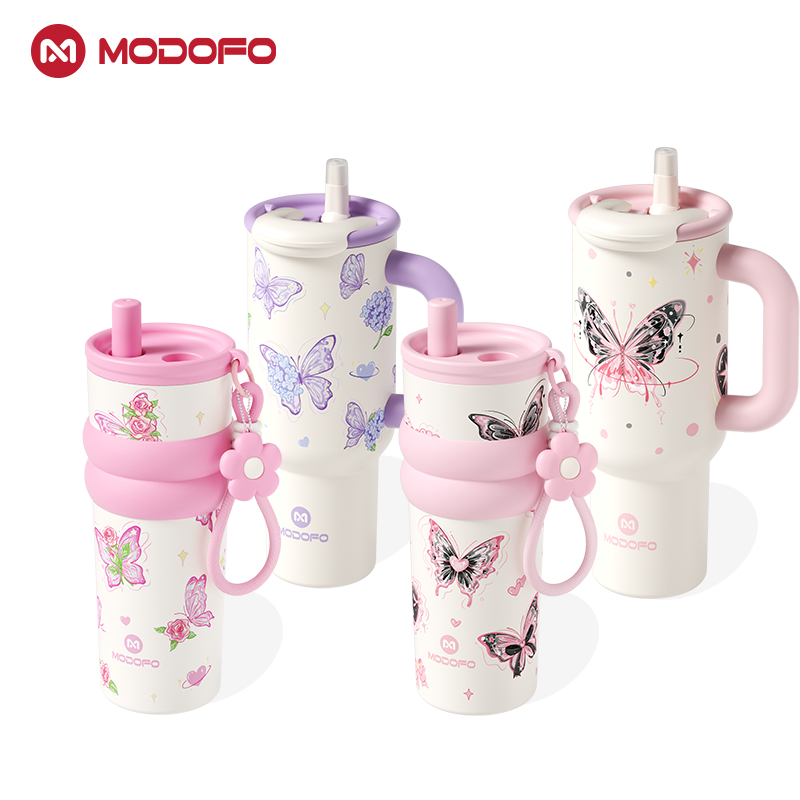


Stainless steel drinkware has become the default choice for modern consumers who prioritize durability, temperature performance, and sustainability. Yet many users share a similar first impression: the water sometimes tastes “metallic.” The sensation can create unnecessary concern, especially for first-time stainless steel users who are accustomed to plastic or glass bottles.
A metallic taste is usually temporary and harmless, but it deserves a clear and scientific explanation. Understanding why it happens—and how to prevent it—helps users make better decisions and gives brands an opportunity to educate instead of confuse. Let’s dive into the material science and practical factors behind this common experience.
1. What Is a “Metallic Taste”? A Scientific Perspective
Humans are extremely sensitive to metal-like sensations. Metallic taste is not the same as “drinking metal.” Instead, it is a chemical and sensory response triggered by specific environmental conditions.
When trace amounts of metal ions such as iron (Fe), nickel (Ni), or chromium (Cr) interact with saliva, they can stimulate receptors on the tongue associated with metallic or mineral-like sensations. This does not mean metal is flaking or leaching; it simply means the taste receptors detected a stimulus similar to metallic compounds.
From a toxicological standpoint, the migration levels of metals from food-grade stainless steel fall far below international safety thresholds defined by the FDA, EFSA, and WHO. So the sensation, while noticeable, is not a safety issue in normal scenarios.
2. Understanding the Material: What Makes Stainless Steel “Stainless”
Most quality drinkware uses 304 or 316 stainless steel—both categorized as food-grade materials.
Typical composition of 304 stainless steel:
- Iron as the base metal
- Around 18% chromium
- Around 8% nickel
The chromium reacts with oxygen to form a passive oxide layer, which prevents corrosion and minimizes metal ion transfer. That protective layer is a key reason stainless steel is safe for food and beverages.
High-grade stainless steel is chemically stable, resistant to acids, and extremely unlikely to leach harmful substances under normal use. However, when new or improperly cleaned, the inner surface may still carry micro-residues or unconditioned areas that can temporarily produce a metallic sensation.
3. Why Some Stainless Steel Bottles Taste Metallic
The reasons fall into several predictable categories—most related to surface condition, cleaning method, or material grade.
New Bottle Residues
Freshly manufactured stainless steel items may carry:
- Polishing compounds
- Factory oil film
- Welding heat tint
- Tiny metal debris from machining
- Packaging odors
These residues influence taste perception until removed through proper cleaning.
Variation in Material Quality
Not all stainless steel is equal. Lower-grade alloys with reduced nickel and chromium content are more prone to:
- Slight oxidation
- Surface roughness
- Irregular passive layer formation
Those factors can intensify metallic sensations.
Acidic or Hot Liquids
Certain beverages amplify sensory reactions:
- Lemon water
- Sports drinks
- Fruit juices
- Tea with citric acid
- Carbonated drinks
Acids can temporarily interact with the surface, increasing ion release—still within safety limits but potentially detectable.
Disrupted Passive Layer
Aggressive cleaning tools or abrasive powders can damage the protective chromium oxide layer. Once the surface loses uniformity, flavors become more noticeable until the layer reforms naturally through exposure to oxygen.
4. Common Misconceptions About the Metallic Taste
Many consumers assume metallic taste equals danger. Scientifically, this is incorrect.
Myth: Metallic taste means metal is leaching extensively.
Reality: Taste receptors activate at extremely low thresholds—far lower than any safety concern.
Myth: Stainless steel reacts strongly with water.
Reality: Food-grade stainless steel is one of the least reactive materials used in drinkware.
Myth: Metallic taste indicates poor hygiene.
Reality: It’s usually a surface-conditioning issue, not contamination.
Clarifying these points improves user trust and sets realistic expectations for stainless steel performance.
5. How to Remove Metallic Taste: Practical, Proven Methods
The good news: metallic taste is manageable and usually disappears after proper preparation.
Deep Clean Before First Use
A thorough clean removes manufacturing residues:
- Add warm water and two tablespoons of baking soda
- Shake vigorously and let sit for 15–20 minutes
- Rinse with clean water
Baking soda neutralizes odors and breaks down oil films effectively.
Vinegar Rinse for Surface Conditioning
White vinegar helps accelerate the formation of the natural passive layer:
- Fill one-third of the bottle with vinegar
- Swirl for 10–15 seconds
- Rinse thoroughly with warm water
This method “seasons” the bottle for smoother long-term performance.
Tea or Saltwater Neutralization
Mild solutions like tea or lightly salted warm water help normalize taste perception. Allowing the bottle to sit with such liquids for several hours can eliminate lingering metallic notes.
Gentle Cleaning Maintenance
Avoid:
- Steel brushes
- Harsh abrasives
- Industrial detergents
These damage the inner coating and delay restoration of the protective layer.
6. When Metallic Taste Indicates a Real Problem
While most cases are normal, certain situations deserve attention.
A problematic bottle may show:
- Increasing metallic intensity instead of fading
- Visible rust spots, pitting, or discoloration
- An odd, chemical-like smell
- Rough interior surfaces
These conditions suggest material defects or contamination—rare but worth addressing through warranty or replacement.
7. How to Choose a Stainless Steel Bottle Without Metallic Taste
A high-quality bottle reduces metallic sensation and improves long-term stability.
Look for:
- Verified 304/316 food-grade stainless steel
- Transparent material specifications
- Accredited testing (SGS, FDA, LFGB)
- Smooth interior polishing (electropolished preferred)
- Brands that publish manufacturing and quality-control processes
Well-engineered stainless steel drinkware delivers consistent taste neutrality and superior durability.
8. The Broader Benefits of Stainless Steel for Daily Hydration
Beyond the metallic taste topic, stainless steel offers long-term advantages:
- No microplastics
- Excellent temperature retention
- Resistance to bacterial buildup
- Extreme durability
- Lower environmental footprint than disposable plastic
- Safe for both hot and cold liquids
Stainless steel remains one of the safest, most stable materials available for drinkware.
9. Conclusion: Metallic Taste Is Temporary, Manageable, and Scientifically Normal
A metallic taste in stainless steel bottles is a common but short-lived experience. It rarely signals danger, and in most cases, it fades after a few proper cleanings and regular use. When users understand the chemistry behind the sensation, they gain confidence in choosing stainless steel for its durability, safety, and performance.
The key is simple: start with a well-made bottle, clean it correctly, and let the material go through its natural conditioning process. After that, stainless steel delivers clean, neutral flavor and long-term value—exactly what modern hydration tools should provide.