
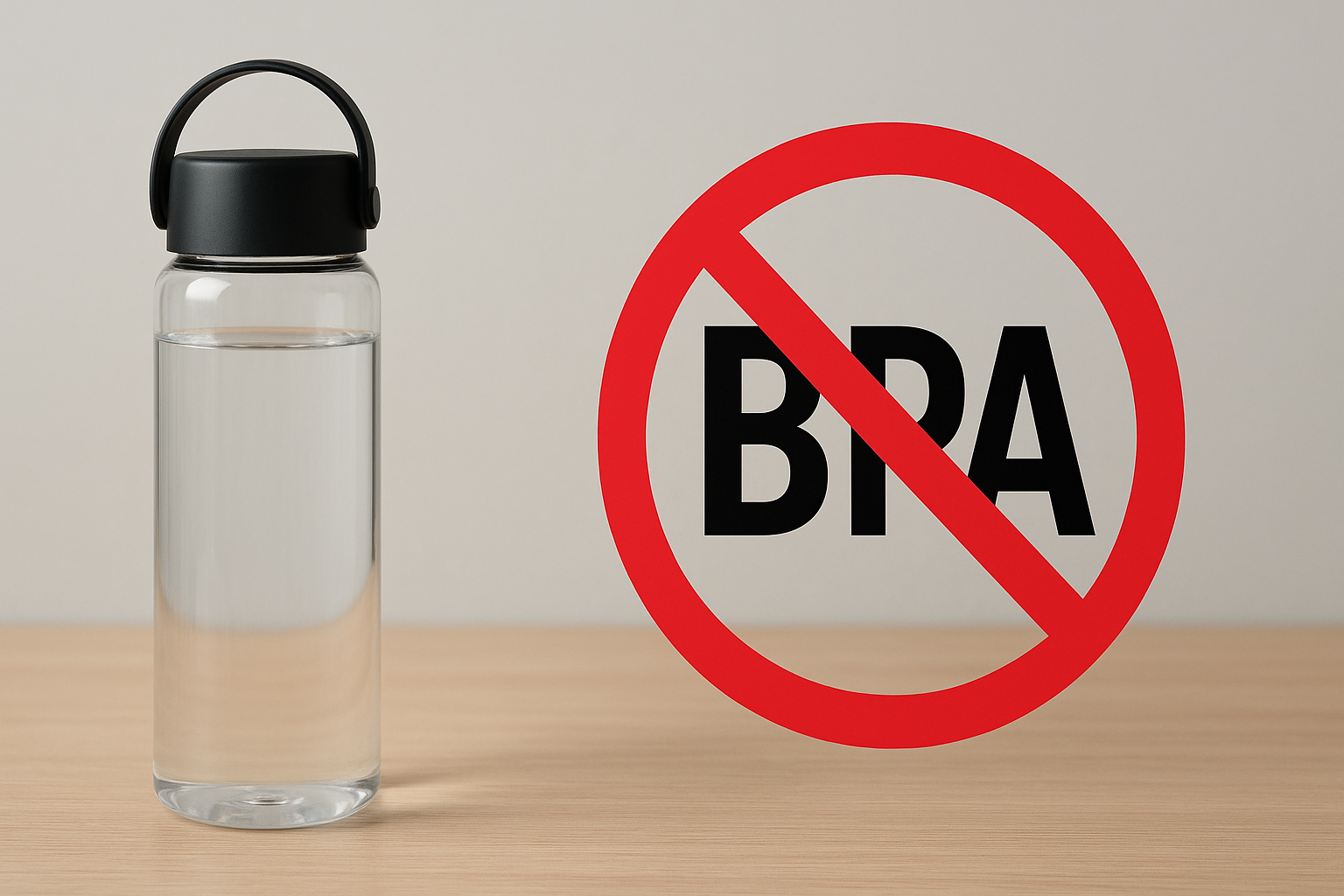
Dalam kategori peralatan minum global, "bebas BPA" telah berkembang dari label khusus menjadi harapan umum. Apa yang awalnya dimulai sebagai kekhawatiran konsumen tentang keamanan bahan kimia kini didukung oleh tekanan regulasi, persaingan pasar, dan pergeseran perilaku gaya hidup menuju pilihan yang lebih sehat dan berkelanjutan. Artikel ini menyajikan analisis lengkap mengapa bahan bebas BPA mendominasi pasar botol air modern, bagaimana regulasi membentuk adopsi global, dan apa yang harus diketahui konsumen saat mengevaluasi keamanan produk.
1. Konteks Pasar: Mengapa Material Bebas BPA Menjadi Populer
Industri peralatan minum telah mengalami transformasi pesat selama dekade terakhir. Beberapa dinamika pasar mempercepat pergeseran menuju material bebas BPA.
1.1 Meningkatnya Permintaan akan Hidrasi Aman Sehari-hari
Konsumen saat ini lebih sadar akan bahan pembuatan botol air mereka. Pasar botol minum yang dapat digunakan kembali secara global—yang didorong oleh budaya kebugaran, kesadaran akan keberlanjutan, dan perubahan gaya hidup—telah berkembang dengan laju dua digit.
Terlihat pergeseran perilaku yang signifikan: orang-orang tidak lagi memandang botol air sebagai aksesori sederhana, melainkan sebagai alat kesehatan sehari-hari. Hal ini menjadikan keamanan material sebagai keputusan yang sangat penting, bukan lagi hal yang dipikirkan belakangan.
1.2 Percepatan Melalui Adopsi Merek
Merek-merek terkemuka di Amerika Utara, Eropa, Korea Selatan, dan Jepang mulai menerapkan strategi penghapusan bertahap sejak dini. Begitu pemimpin kategori menjadikan "Bebas BPA" sebagai fitur dasar, pasar lainnya pun mengikuti untuk tetap kompetitif. Peritel mulai menuntut dokumentasi bebas BPA, mendorong produsen untuk mendesain ulang material dan rantai pasokan.
1.3 Munculnya Konsumen yang Peduli Kesehatan
Data pencarian, diskusi media sosial, dan komunitas orang tua memperkuat kesadaran tentang bahan-bahan yang bersentuhan dengan makanan dan minuman. BPA dengan cepat dikaitkan dengan "risiko yang tidak perlu," sehingga memicu permintaan akan bahan alternatif dengan tingkat keamanan yang lebih tinggi.
2. Memahami BPA: Tinjauan Ilmiah
Untuk memahami mengapa produk bebas BPA banyak digunakan, penting untuk memahami senyawa itu sendiri.
2.1 Apa Itu BPA?
Bisphenol A (BPA) adalah bahan kimia industri yang digunakan sejak tahun 1950-an untuk memproduksi plastik polikarbonat (PC) dan resin epoksi. Bahan-bahan ini dihargai karena daya tahan, transparansi, dan ketahanan panasnya, dan secara historis muncul dalam:
• Dispenser air
• Botol olahraga
• Botol bayi
• Wadah penyimpanan makanan
• Lapisan epoksi dalam kaleng
2.2 Mengapa BPA Menjadi Kontroversial
Studi ilmiah menunjukkan kemungkinan bahwa BPA dapat bermigrasi dari wadah ke makanan atau minuman dalam kondisi tertentu, seperti:
• Paparan suhu tinggi
• Penyimpanan yang terlalu lama
• Wadah yang tergores atau aus
BPA dikategorikan sebagai zat aktif endokrin. Potensinya untuk meniru estrogen menimbulkan kekhawatiran mengenai gangguan hormonal dan risiko paparan jangka panjang.
2.3 Konsensus Ilmiah dan Debat yang Berkelanjutan
Meskipun otoritas global telah melakukan evaluasi ekstensif, kesimpulannya berbeda dalam hal ketelitian:
• Beberapa penelitian menunjukkan risiko minimal pada tingkat paparan saat ini.
• Yang lain menyarankan kehati-hatian karena ketidakpastian dalam paparan jangka panjang atau kumulatif.
Nuansa ilmiah ini, dikombinasikan dengan kekhawatiran publik, akhirnya mendorong regulator dan industri untuk mengadopsi pendekatan kehati-hatian.
3. Tekanan Regulasi: Pergeseran Global Menjauhi BPA
Intervensi regulasi adalah salah satu pendorong terkuat di balik adopsi luas peralatan minum bebas BPA.
3.1 Eropa: Wilayah dengan Aturan Terketat
Uni Eropa telah mengambil salah satu posisi yang paling konservatif. Tindakan-tindakan utama meliputi:
• Pelarangan BPA dalam botol bayi (2011).
• Membatasi batas migrasi pada semua bahan yang bersentuhan dengan makanan.
• Mengusulkan manajemen risiko di seluruh kategori berdasarkan peraturan perundang-undangan tentang bahan kimia.
Sikap regulasi ini memaksa pemasok dan merek yang menjual di Eropa untuk mengadopsi bahan bebas BPA di seluruh katalog produk mereka.
3.2 Amerika Serikat dan Kanada
Kedua wilayah tersebut melarang penggunaan BPA dalam botol bayi dan gelas minum. Meskipun pembatasan yang lebih luas bervariasi di setiap negara bagian, pengecer besar secara sukarela menghentikan penjualan botol yang mengandung BPA karena harapan konsumen.
Efek "kepatuhan ritel" ini telah membentuk pasar sama efektifnya dengan regulasi resmi.
3.3 Asia: Pasar yang Cepat Mengejar Ketertinggalan
Pasar Asia Tenggara, termasuk Malaysia, Indonesia, Thailand, dan Singapura, merujuk pada standar Uni Eropa dan AS dalam membentuk peraturan nasional terkait bahan kontak makanan. Banyak produsen lokal mengadopsi praktik bebas BPA untuk menyesuaikan dengan persyaratan ekspor.
Kombinasi standar perdagangan global dan meningkatnya kesadaran lokal menciptakan tekanan kuat untuk alternatif bebas BPA.
4. Keluarga Material Bebas BPA: Apa yang Sebenarnya Digunakan di Pasar
Seiring dengan penghapusan bertahap plastik yang mengandung BPA, industri mengadopsi beberapa alternatif yang aman. Setiap material memiliki karakteristik kinerja, implikasi biaya, dan skenario penggunaan yang paling sesuai.
4.1 Tritan™ (Kopoliester)
Sebagai salah satu pengganti yang paling populer, Tritan menawarkan:
• Transparansi seperti kaca
• Ketahanan benturan tinggi
• Toleransi panas
• Tahan terhadap bau dan noda
Bahan ini banyak digunakan dalam produk bayi, botol berkualitas tinggi, dan peralatan minum gaya hidup premium. Tritan bersertifikasi bebas BPA, bebas BPS, dan memenuhi standar keamanan kontak makanan FDA dan Uni Eropa.
4.2 Polipropilena (PP)
Plastik ringan dan hemat biaya yang umumnya digunakan untuk:
• Tutup
• Komponen jerami
• Botol air minum anak-anak
PP secara alami bebas BPA dan tahan terhadap sebagian besar asam dan basa. Meskipun tidak transparan seperti Tritan, PP dihargai karena daya tahannya dan harganya yang terjangkau.
4.3 Baja Tahan Karat (304/316)
Baja tahan karat tidak mengandung BPA dan telah menjadi pilihan utama untuk botol minum yang dapat digunakan kembali bagi orang dewasa. Manfaatnya meliputi:
• Isolasi yang sangat baik bila digunakan pada struktur berinsulasi vakum
• Ketahanan terhadap korosi
• Masa hidup yang panjang
• Tidak ada migrasi kimia
Baja tahan karat 316 sering digunakan untuk model kelas atas, terutama dalam aplikasi medis atau kelautan.
4.4 Silikon Kelas Makanan
Digunakan untuk:
• Cincin penyegel
• Ujung sedotan
• Komponen fleksibel
Silikon bebas BPA, tahan panas, dan membentuk sistem anti bocor yang andal bila dipasangkan dengan bodi baja atau plastik.
Setiap material memenuhi kebutuhan yang berbeda, memungkinkan merek untuk mendesain produk yang disesuaikan dengan gaya hidup pengguna sambil tetap mematuhi standar bebas BPA.
5. Kekuatan Pasar: Mengapa “Bebas BPA” Menjadi Pemicu Keputusan
Di luar regulasi, perilaku pasar memperkuat pengaruh label bebas BPA.
5.1 Tren Pencarian Menunjukkan Prioritas Konsumen yang Berkelanjutan
Kata kunci yang terkait dengan “BPA-Free,” “no BPA,” dan “safe water bottle materials” terus meningkat dalam volume pencarian global. Perilaku ini sangat berkorelasi dengan:
• Gaya hidup yang memperhatikan kesehatan
• Demografi orang tua
• Komunitas kesehatan dan kebugaran
Bagi banyak pembeli, keamanan material lebih memengaruhi konversi daripada warna, bentuk, atau kapasitas.
5.2 Pengaruh Kuat dari Kategori Produk Pengasuhan dan Bayi
Setelah BPA dilarang dalam botol bayi, komunitas orang tua dengan cepat menggeneralisasikan risiko tersebut ke semua plastik yang bersentuhan dengan makanan. Hal ini menciptakan pola pikir konsumen yang tak dapat diubah: keselamatan adalah hal yang mutlak.
Di mana orang tua memimpin, pasar konsumen lainnya sering kali mengikuti.
5.3 Merek Menggunakan Label Bebas BPA sebagai Faktor Kebersihan
Label tersebut tidak lagi berfungsi sebagai pembeda pemasaran; sebaliknya, label tersebut beroperasi sebagai persyaratan legitimasi dasar. Konsumen mengharapkannya. Merek yang gagal memenuhi harapan tersebut dianggap ketinggalan zaman atau ceroboh.
“Efek standardisasi” ini semakin memperkuat adopsi produk bebas BPA di seluruh industri.
6. Bagaimana Konsumen Dapat Memverifikasi Apakah Botol Benar-Benar Bebas BPA
Meskipun klaim "Bebas BPA" telah menjadi hal yang umum, konsumen tetap membutuhkan cara untuk memverifikasi keasliannya.
6.1 Periksa Kode Identifikasi Material
Sebagian besar produk plastik menyertakan nomor identifikasi resin:
• Angka “7” sering menunjukkan polikarbonat (potensi risiko BPA).
• Tritan biasanya diberi label terpisah dengan "Tritan" atau "Co-Polyester."
• PP ditandai dengan angka “5.”
Label yang jelas menyederhanakan verifikasi.
6.2 Mengevaluasi Sertifikasi Resmi
Peralatan minum bebas BPA yang terpercaya seringkali mencakup pengujian kepatuhan seperti:
• Persetujuan FDA untuk kontak dengan makanan
• Pengujian migrasi EU 10/2011
• Sertifikasi LFGB (Jerman)
Pengujian pihak ketiga menawarkan kredibilitas yang lebih kuat daripada klaim yang dinyatakan sendiri.
6.3 Hindari Kesalahpahaman Umum
Label “Bebas BPA” tidak secara otomatis berarti “aman secara kimiawi dalam segala aspek.” Konsumen juga harus memperhatikan hal-hal berikut:
• Campuran plastik yang tidak diketahui
• Plastik berkualitas rendah atau plastik daur ulang yang tidak dapat dilacak asal-usulnya
• Produk yang menunjukkan bau menyengat atau perubahan warna
Keamanan bergantung pada bahan dan proses pembuatannya.
7. Dinamika Keberlanjutan: Mengapa Produk Bebas BPA Sejalan dengan Tren Lingkungan Global
Munculnya material bebas BPA sejalan dengan tujuan keberlanjutan yang lebih luas.
7.1 Dukungan untuk Produk yang Dapat Digunakan Kembali Dibandingkan Plastik Sekali Pakai
Banyak pemerintah mendorong penggunaan peralatan minum yang dapat digunakan kembali sebagai bagian dari kebijakan anti-pemborosan. Bahan bebas BPA membantu konsumen merasa lebih yakin untuk menggunakan botol yang dapat digunakan kembali dalam rutinitas sehari-hari.
7.2 Peningkatan Daya Tahan Mengurangi Limbah
Tritan, baja tahan karat, dan silikon memiliki masa pakai yang jauh lebih lama dibandingkan dengan bahan plastik lama. Masa pakai yang lebih lama menurunkan frekuensi penggantian, sehingga mengurangi pemborosan produk secara keseluruhan.
7.3 Sirkularitas Material dan Kompromi Karbon
Meskipun plastik masih menjadi tantangan dari sudut pandang daur ulang, varian bebas BPA menawarkan:
• Risiko kesehatan lebih rendah
• Kompatibilitas yang lebih baik dengan teknologi daur ulang yang terus berkembang
• Peluang untuk versi masa depan berbasis bio
Faktor-faktor ini menempatkan material bebas BPA sebagai solusi transisi menuju masa depan yang lebih berkelanjutan.
8. Prospek Masa Depan: Apa yang Akan Datang Setelah Material Bebas BPA?
Inovasi dalam material peralatan minum terus berkembang, didorong oleh teknologi, penelitian kesehatan, dan regulasi lingkungan.
8.1 Kebangkitan Plastik Berbasis Bio
Perusahaan-perusahaan berinvestasi pada material yang berasal dari sumber daya alam atau terbarukan seperti:
• Tebu
• Tepung jagung
• Polimer berbasis alga
Versi awal sudah ada dalam kemasan makanan dan mungkin akan diperluas ke peralatan minum.
8.2 Teknologi Logam yang Ditingkatkan
Para produsen sedang bereksperimen dengan:
• Bagian dalam terbuat dari baja tahan karat tanpa lapisan
• Peralatan minum titanium (niche premium)
• Lapisan insulasi canggih
Perkembangan ini bertujuan untuk meningkatkan daya tahan, mengurangi interaksi kimia, dan menciptakan bentuk yang lebih ringan.
8.3 Botol Minum Pintar
Meskipun tidak terkait dengan keamanan bahan kimia, generasi selanjutnya dari “botol pintar” berfokus pada:
• Pengingat untuk minum air
• Pemantauan suhu
• Integrasi dengan aplikasi kesehatan
Seiring meningkatnya fungsionalitas, material yang aman tetap menjadi hal mendasar.
9. Kesimpulan: Pergeseran Pasar yang Didorong oleh Regulasi, Sains, dan Ekspektasi Konsumen
Munculnya peralatan minum bebas BPA bukanlah tren pemasaran—melainkan hasil dari transformasi global dalam cara konsumen memandang keamanan material. Larangan regulasi mendorong produsen untuk mengadopsi material yang lebih aman, penelitian ilmiah menyoroti potensi risiko, dan konsumen menuntut transparansi dalam barang-barang sehari-hari yang bersentuhan dengan makanan dan minuman.
Saat ini, bebas BPA adalah standar industri. Seiring perkembangan pasar, fokus akan terus meluas dari sekadar menghindari BPA menuju definisi yang lebih luas tentang keamanan, daya tahan, dan keberlanjutan.
Masa depan peralatan minum tidak hanya akan dibentuk oleh apa yang dihilangkan oleh material, tetapi juga oleh apa yang ditambahkan: kinerja, daya tahan, dan tanggung jawab terhadap lingkungan.
Referensi
• Otoritas Keamanan Pangan Eropa (EFSA).
• Pedoman Bahan Kontak Makanan dari Badan Pengawas Obat dan Makanan AS (FDA).
• Health Canada – Penilaian Bisphenol A.
• Peraturan Uni Eropa No. 10/2011 tentang bahan plastik yang dimaksudkan untuk bersentuhan dengan makanan.
• Dokumentasi Teknis dan Keselamatan Eastman Tritan™.
• Laporan Keamanan Pangan Organisasi Kesehatan Dunia (WHO).