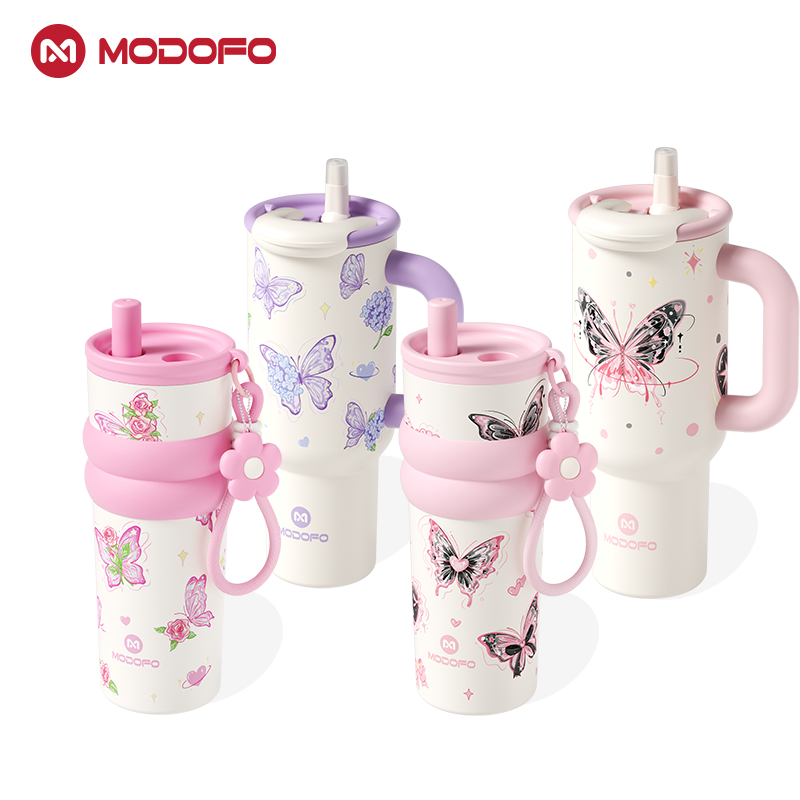


Evolusi Botol Berinsulasi: Dari Termos Vakum Awal hingga Sistem Termal Multi-Material Saat Ini
Botol berinsulasi telah jauh melampaui identitas awalnya sebagai wadah sederhana untuk minuman panas. Kini, botol berinsulasi mewakili perpaduan antara teknik termal, ilmu material, desain yang berpusat pada pengguna, dan budaya kesehatan modern. Seiring dengan pergeseran konsumen global menuju kebiasaan hidrasi yang lebih aman dan gaya hidup berkelanjutan, industri botol berinsulasi terus maju baik dalam kemampuan maupun kecanggihannya. Artikel ini mengeksplorasi bagaimana botol berinsulasi berevolusi—dari teknologi vakum awal hingga sistem material kompleks saat ini—dan bagaimana inovasi ini membentuk kebiasaan minum di masa depan di seluruh dunia.
1. Pendahuluan: Mengapa Botol Berinsulasi Menjadi Penting
Stabilitas suhu telah menjadi harapan mendasar dalam hidrasi modern. Konsumen tidak lagi menerima minuman yang kehilangan panas dalam hitungan menit atau minuman dingin yang menghangat di bawah sinar matahari. Sebaliknya, mereka mengharapkan isolasi yang andal selama berjam-jam, struktur anti bocor, bahan yang aman, dan desain ergonomis yang sesuai dengan penggunaan sehari-hari.
Tiga tren utama mendorong pergeseran ini:
Mobilitas perkotaan: Para komuter, pelajar, dan pekerja kantoran membutuhkan wadah portabel yang menjaga agar minuman tetap berfungsi sepanjang hari.
Kesadaran akan kesehatan: Meningkatnya perhatian terhadap kebiasaan hidrasi mendorong individu untuk mengganti plastik sekali pakai dengan botol tahan lama yang dapat mengontrol suhu.
Keberlanjutan: Botol berinsulasi yang dapat digunakan kembali telah menjadi simbol pengurangan limbah dan tanggung jawab lingkungan jangka panjang.
Konvergensi kebutuhan-kebutuhan ini telah mengubah botol berinsulasi dari barang yang praktis menjadi kebutuhan sehari-hari di pasar global.
2. Asal-usul Sejarah: Dari Termos Vakum Awal hingga Produksi Massal
2.1 Kelahiran Isolasi Vakum (Akhir Abad ke-19)
Botol berinsulasi modern berawal dari "labu Dewar," yang ditemukan oleh Sir James Dewar pada tahun 1892. Inovasi ini menggunakan struktur kaca berdinding ganda dengan lapisan vakum untuk meminimalkan perpindahan panas. Meskipun awalnya dirancang untuk aplikasi laboratorium, mekanisme ini meletakkan dasar bagi wadah termal untuk konsumen.
2.2 Awal Abad ke-20: Dari Laboratorium ke Rumah Tangga
Versi komersial dari penemuan Dewar muncul pada awal tahun 1900-an. Wadah berinsulasi awal ini mempertahankan ruang bagian dalam dari kaca tetapi menjadi lebih mudah diakses secara luas. Wadah ini rapuh, berat, dan terbatas dalam hal portabilitas, tetapi mewakili generasi pertama produk termal konsumen.
2.3 Industrialisasi Pasca Perang dan Kemajuan Material
Setelah Perang Dunia II, baja tahan karat menjadi lebih terjangkau dan tersedia secara luas. Para produsen mulai mengganti kaca yang rapuh dengan baja yang tahan lama, menciptakan gelombang pertama botol berinsulasi yang kokoh dan diproduksi secara massal. Pergeseran material ini secara dramatis meningkatkan masa pakai, keamanan, dan portabilitas.
2.4 Tahun 1980-an–1990-an: Gaya Hidup Portabel Mendorong Ekspansi
Dengan gaya hidup yang lebih aktif dan budaya minuman yang praktis, ekspektasi konsumen pun berkembang. Perusahaan mulai fokus pada portabilitas, ergonomi, dan desain praktis yang aman untuk dibawa dalam tas atau kendaraan. Rekayasa anti bocor dan struktur yang tahan lama menjadi persyaratan dasar.
2.5 Tahun 2000-an–Sekarang: Rekayasa, Estetika, dan Pengalaman Bertemu
Pada abad ke-21, inovasi botol berinsulasi mengalami percepatan. Kemajuan tersebut meliputi ruang vakum yang dirancang dengan presisi, komponen penyegelan yang lebih baik, lapisan luar berlapis bubuk untuk cengkeraman dan daya tahan, serta fitur yang berpusat pada pengguna seperti sedotan terintegrasi dan tutup modular.
Botol berinsulasi telah menjadi aksesori gaya hidup sekaligus alat termal.
3. Mengapa Botol Berinsulasi Menjadi Penting
3.1 Budaya Minuman dan Ekspektasi Suhu
Wilayah dengan budaya minuman panas yang kuat—seperti Asia Timur—secara alami membutuhkan wadah yang mampu mempertahankan panas. Sementara itu, pasar Barat mendorong kemampuan mempertahankan suhu dingin untuk minuman es dan minuman olahraga. Dorongan global ini menciptakan permintaan universal akan kontrol suhu yang andal.
3.2 Kesehatan Masyarakat dan Keamanan Material
Kesadaran akan BPA, mikroplastik, dan pelepasan bahan kimia meningkatkan harapan konsumen terhadap wadah minuman yang aman. Pergeseran dari plastik sekali pakai mempercepat adopsi baja tahan karat dan bahan bebas BPA.
3.3 Daya Tahan dan Permintaan Pengguna akan Keandalan
Konsumen membutuhkan wadah yang tahan terhadap benturan sehari-hari, menjaga cita rasa, dan tidak bocor. Setiap kekurangan—kehilangan panas yang cepat, bau, atau bahan yang mudah pecah—mendorong terciptanya generasi desain baru.
3.4 Keharusan Lingkungan
Botol yang dapat digunakan kembali menjadi bagian dari narasi keberlanjutan global. Meningkatnya konsumerisme ramah lingkungan memposisikan botol berinsulasi sebagai alat praktis dan sinyal perilaku tanggung jawab lingkungan.
Konvergensi kebutuhan budaya, kesehatan, dan keberlanjutan ini menjadikan botol berinsulasi sangat diperlukan dalam kehidupan sehari-hari.
4. Kemajuan Teknologi Isolasi
4.1 Keterbatasan Kontainer Dinding Tunggal Generasi Awal
Wadah logam satu lapis menawarkan daya tahan tetapi hampir tidak memiliki insulasi. Panas keluar melalui konduksi dan konveksi, mengakibatkan penurunan suhu yang cepat. Produk-produk awal ini menyoroti kebutuhan akan struktur termal yang lebih canggih.
4.2 Baja Tahan Karat Dinding Ganda + Vakum: Revolusi Industri
Penggunaan baja tahan karat berdinding ganda dengan ruang vakum menjadi terobosan penting. Vakum menghilangkan molekul udara, mencegah konduksi dan konveksi. Hal ini secara dramatis mengurangi perpindahan panas dan mencapai kinerja isolasi selama berjam-jam yang menjadi ciri khas produk modern.
4.3 Peningkatan Rekayasa Tutup dan Sistem Penyegelan
Inovasi-inovasi tersebut meliputi segel silikon presisi, tutup berlapis ganda, mekanisme penguncian, dan kontrol tekanan internal. Kemajuan ini menghalangi aliran udara, mencegah kehilangan suhu melalui konveksi.
4.4 Peningkatan Interior: Pelapisan Tembaga dan Penghalang Reflektif
Beberapa produsen melapisi permukaan bagian dalam dengan lapisan tembaga tipis. Tembaga memantulkan panas radiasi kembali ke cairan, sehingga semakin meningkatkan retensi panas. Produsen lain menggunakan baja tahan karat yang dipoles mengkilap untuk mencapai efek serupa tanpa pelapisan logam.
4.5 Stabilitas Termal Melalui Rekayasa Material
Eksteriornya berevolusi melalui pelapisan bubuk yang meningkatkan daya cengkeram dan meminimalkan perubahan suhu permukaan. Konstruksi multi-lapisan meningkatkan ketahanan terhadap pecah dan meningkatkan retensi suhu.
4.6 Munculnya Manufaktur Vakum Presisi
Pabrik modern menggunakan sistem ekstraksi vakum yang sangat akurat yang menciptakan ruang isolasi yang stabil dan tahan lama. Hal ini memastikan konsistensi dalam retensi panas dan meningkatkan umur produk secara keseluruhan.
Secara kolektif, inovasi-inovasi ini membentuk botol berinsulasi berperforma tinggi yang kita kenal sekarang.
5. Evolusi Material: Dari Baja ke Sistem Komposit
5.1 Baja Tahan Karat: Standar Modern
Baja tahan karat 304 menjadi standar industri karena ketahanan terhadap korosi, keamanan, stabilitas panas, dan daya tahannya. Untuk aplikasi premium, baja 316 menawarkan ketahanan yang lebih unggul terhadap bahan kimia dan paparan garam—ideal untuk penggunaan jangka panjang atau atlet yang mencari kemurnian lebih tinggi.
5.2 Kaca: Material Warisan dengan Adopsi yang Menurun
Botol berinsulasi berlapis kaca banyak digunakan sebelum baja tahan karat mendominasi. Meskipun kaca menawarkan netralitas rasa yang sangat baik, kerapuhannya membatasi penggunaan praktis. Saat ini, kaca lebih umum digunakan pada wadah tanpa insulasi.
5.3 Plastik: Dari PP Tradisional hingga Tritan Canggih
Tritan, kopoliester bebas BPA, menciptakan kategori baru peralatan minum yang aman dan ringan. Meskipun jarang digunakan untuk ruang berinsulasi, Tritan banyak diadopsi pada tutup botol, botol anak-anak, dan wadah olahraga ringan.
5.4 Lapisan Dalam Keramik: Meningkatnya Permintaan akan Rasa yang Bersih
Lapisan keramik di dalam botol baja tahan karat mengatasi kekhawatiran konsumen tentang rasa logam. Botol hibrida ini menggabungkan manfaat isolasi logam dengan rasa netral khas keramik.
5.5 Perbandingan Material Berdasarkan Metrik Utama
Jika dievaluasi berdasarkan daya tahan, isolasi, berat, keamanan, dan pengalaman sensorik, setiap material memenuhi kebutuhan pengguna tertentu:
| Bahan | Kekuatan | Isolasi | Mencicipi | Berat | Keamanan |
|---|---|---|---|---|---|
| 304 SS | Tinggi | Bagus sekali | Logam ringan | Sedang | Tinggi |
| 316 SS | Sangat tinggi | Bagus sekali | Netral | Sedang | Sangat tinggi |
| Kaca | Rendah | Bagus | Netral | Berat | Tinggi |
| Tritan | Sedang | Lemah | Netral | Sangat ringan | Tinggi |
| Lapisan keramik | Tidak tersedia | Sangat bagus (dengan bodi baja) | Netral | Sedang | Tinggi |
Keberagaman ini memungkinkan merek untuk menjangkau berbagai segmen pasar secara bersamaan.
6. Tonggak Penting: Bagaimana Industri Mengalami Peningkatan di Berbagai Generasi
6.1 Tahun 1990-an: Ruang Dalam Kaca Kehilangan Dominasinya
Sifat kaca yang mudah pecah mendorong peralihan ke baja tahan karat. Pengguna membutuhkan produk yang dapat bertahan dari benturan sehari-hari tanpa risiko tumpahan cairan atau bahaya keselamatan.
6.2 2000–2010: Baja Tahan Karat Menjadi Standar Industri
Produksi skala besar membuat baja tahan karat menjadi terjangkau. Teknologi vakum meningkat, dan produsen mengoptimalkan sistem penyegelan dan daya tahan struktural. Dekade ini meletakkan dasar bagi botol berinsulasi modern.
6.3 2010–2020: Estetika + Rekayasa + Kegunaan
Merek-merek tersebut memperkenalkan eksterior berlapis bubuk, desain ergonomis, tutup modular, dan rekayasa ringan. Keindahan dan kinerja selaras untuk pertama kalinya.
6.4 Pasca-2020: Fokus yang Signifikan pada Keselamatan dan Kinerja
Konsumen menuntut komponen bebas BPA, material berkelanjutan, dan kontrol kualitas yang lebih ketat. Minat pada pengalaman rasa tanpa logam mendorong pertumbuhan model berlapis keramik. Teknologi insulasi ringan semakin populer.
6.5 Inovasi Baru: Menuju Isolasi Generasi Berikutnya
Kemajuan tersebut mencakup penghalang radiasi tembaga, termodinamika penutup yang lebih baik, dan adopsi awal insulasi berbasis aerogel. Hal ini menunjukkan pergeseran menuju pengembangan produk yang lebih ilmiah dan berorientasi pada kinerja.
7. Mengembangkan Kebiasaan Hidrasi yang Sehat
7.1 Munculnya Standar Material Aman
Konsumen semakin memprioritaskan bahan-bahan bebas bahan kimia dan mencari jaminan melalui sertifikasi. Plastik bebas BPA, baja kelas makanan, dan lapisan non-reaktif sejalan dengan tren kesehatan global.
7.2 Hidrasi Jangka Panjang untuk Gaya Hidup Sibuk
Orang-orang menginginkan minuman tetap panas atau dingin selama berjam-jam. Hal ini mendorong permintaan akan rekayasa vakum canggih, lapisan dalam yang reflektif, dan sistem penutup yang dioptimalkan.
7.3 Kebersihan dan Kenyamanan
Permukaan yang mudah dibersihkan, mulut yang lebar, gasket yang dapat dilepas, dan desain yang aman untuk mesin pencuci piring membantu pengguna menjaga kebersihan tanpa usaha tambahan.
7.4 Pertumbuhan Alat Hidrasi Fungsional
Fitur pintar—tampilan suhu, sterilisasi UV, pengingat hidrasi—mulai muncul di pasar khusus. Meskipun adopsinya masih dalam tahap awal, permintaannya meningkat seiring dengan semakin terintegrasinya gaya hidup secara digital.
8. Masa Depan Teknologi Botol Berinsulasi
8.1 Struktur Vakum dengan Efisiensi Lebih Tinggi
Para produsen sedang menjajaki pembentukan baja berdinding tipis, membuat botol lebih ringan tanpa mengorbankan insulasi. Sistem ekstraksi vakum yang lebih baik akan meningkatkan konsistensi dan mengurangi kehilangan energi.
8.2 Material Komposit Tingkat Lanjut
Material hibrida keramik-baja, baja tahan karat yang dikombinasikan dengan lapisan aerogel, dan komposit polimer-logam yang dapat didaur ulang akan semakin banyak digunakan. Material-material ini memecahkan masalah seperti netralitas rasa dan keberlanjutan.
8.3 Potensi Isolasi Aerogel
Aerogel—salah satu material termal terbaik di dunia—menawarkan insulasi luar biasa dengan bobot yang jauh lebih ringan. Seiring produksi menjadi lebih hemat biaya, botol aerogel dapat mendefinisikan ulang standar industri.
8.4 Keberlanjutan sebagai Persyaratan Desain Inti
Botol yang dapat didaur ulang sepenuhnya, proses manufaktur dengan emisi karbon yang lebih rendah, dan komponen yang lebih tahan lama akan membentuk inovasi produk dalam dekade mendatang.
8.5 Estetika Bersih dan Desain Fungsional Minimalis
Konsumen semakin menyukai desain yang ramping dan sederhana yang melengkapi kehidupan sehari-hari. Minimalisme yang berfokus pada fungsi akan mendorong bahasa desain secara global.
9. Kesimpulan: Botol Terisolasi sebagai Alat Gaya Hidup
Dari wadah kaca yang rapuh hingga sistem termal yang direkayasa dengan presisi, botol berinsulasi mewakili lebih dari satu abad inovasi berkelanjutan. Botol ini telah menjadi teman sehari-hari, mencerminkan nilai-nilai budaya seputar kesehatan, keberlanjutan, daya tahan, dan kenyamanan. Seiring industri terus berinovasi—memanfaatkan material canggih, struktur yang lebih cerdas, dan rekayasa yang berpusat pada pengguna—botol berinsulasi akan tetap menjadi salah satu produk konsumen paling berpengaruh dalam gaya hidup modern.
Menelusuri evolusinya bukan hanya perjalanan melalui kemajuan teknologi, tetapi juga refleksi dari perubahan kebiasaan manusia, prioritas lingkungan, dan budaya minum global. Kisah botol berinsulasi akan terus terungkap seiring dengan perkembangan teknologi dan perilaku pengguna di tahun-tahun mendatang.
Referensi
- Ensiklopedia Britannica. James Dewar – Biografi dan Kontribusi Ilmiah. Mendukung asal usul historis termos vakum dan desain dinding ganda Dewar.
- Ensiklopedia Britannica. Termos Vakum – Struktur dan Prinsip Termodinamika. Menjelaskan pengendalian konduksi, konveksi, dan radiasi dalam wadah terisolasi.
- Merek Thermos (Resmi). Sejarah Thermos – Komersialisasi dan Pengembangan Awal. Menyediakan data historis tentang paten awal dan ekspansi pasar.
- Wikipedia. Thermos LLC – Gambaran Umum Sejarah Perusahaan. Sejarah komersial tambahan dari merek Thermos.
- AZoM – Ilmu Material. Baja Tahan Karat Kelas Pangan: Analisis Komparatif Paduan 304 dan 316. Mendukung perbandingan material dan karakteristik keamanan.
- Badan Pengawas Obat dan Makanan AS (FDA). Baja Tahan Karat dalam Aplikasi Kontak Makanan – Ringkasan Keamanan. Latar belakang peraturan untuk peralatan minum dari baja tahan karat.
- Badan Pengawas Obat dan Makanan AS (FDA). Bisphenol A (BPA) – Penggunaan, Paparan, dan Penilaian Keamanan. Mendukung diskusi kesehatan terkait BPA.
- Otoritas Keamanan Pangan Eropa (EFSA). Opini Ilmiah tentang BPA dan Keamanan Konsumen. Memberikan perspektif regulasi Eropa.
- Makalah Tinjauan – Material dan Sistem Isolasi Termal Vakum. Tinjauan akademis yang mendukung evolusi teknologi isolasi.
- MDPI – Ilmu Terapan. Sifat Termal dan Isolasi Panas Lapisan Reflektif Aerogel. Mendukung analisis material masa depan.
- ResearchGate / Makalah Teknis. Desain Jaket Termal Menggunakan Aerogel Selulosa untuk Botol Air. Contoh sistem insulasi ramah lingkungan yang sedang berkembang.
- Forum Pengemasan Makanan. Penilaian Alternatif Bebas BPA dalam Produk Konsumen. Mendukung diskusi risiko tentang pengganti BPA.
- Wiley – Rekayasa & Sains Polimer. Aerogel Biopolimer sebagai Isolator Termal Ramah Lingkungan. Mendukung tren inovasi berkelanjutan.
- Artikel Teknis Haers. Mengapa Kualitas Vakum Mempengaruhi Kinerja Isolasi di Dunia Nyata. Wawasan industri tentang presisi manufaktur dan variabilitas kinerja.