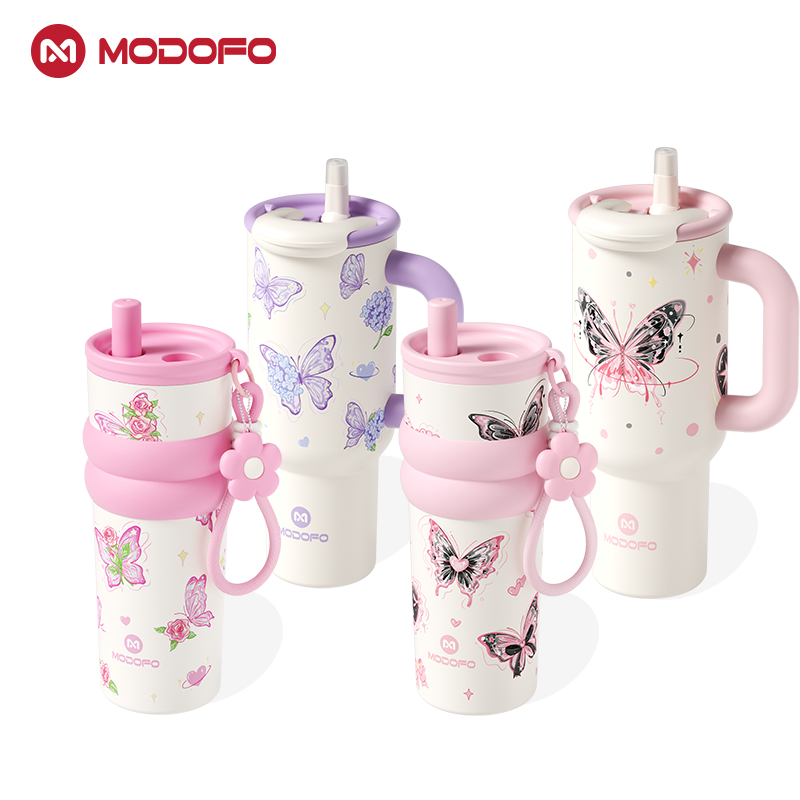


Tritan kelas makanan telah menjadi salah satu material yang paling penting secara strategis di pasar hidrasi dan barang konsumsi global. Kategori ini mencakup botol air yang dapat digunakan kembali, gelas minum anak-anak, perangkat medis, peralatan dapur, dan aksesori olahraga. Bagi merek yang mengejar kepatuhan keselamatan, stabilitas rantai pasokan, dan pengalaman pengguna premium, Tritan mewakili jalur peningkatan yang jelas dari plastik tradisional dan alternatif yang kompetitif untuk baja tahan karat dan kaca.
Artikel ini memberikan gambaran menyeluruh tentang Tritan—mulai dari arsitektur molekuler dan sumber bahan bakunya hingga proses produksinya dan verifikasi regulasi. Tujuannya adalah untuk memberikan kejelasan teknis yang dibutuhkan kepada tim produk, manajer kategori, dan tim operasional agar dapat mengambil keputusan penting dengan percaya diri.
Apa Sebenarnya Tritan Itu? Memahami Batasan "Food-Grade"
Tritan adalah kopoliester berkinerja tinggi yang dikembangkan untuk mengatasi keterbatasan material konvensional seperti polikarbonat (PC) dan polipropilena (PP). Sebagai kopoliester, Tritan menggabungkan beberapa monomer ke dalam satu rantai polimer, sehingga memungkinkan transparansi, ketahanan terhadap benturan, dan stabilitas kimia tanpa bergantung pada bisfenol-A (BPA) atau bisfenol-S (BPS).
Suatu produk hanya mencapai status "food-grade" (berstandar pangan) ketika memenuhi peraturan kontak makanan global. Tritan dapat memenuhi standar berikut ketika diproduksi dan diuji melalui rantai pasokan yang sesuai:
• Persyaratan FDA 21 CFR untuk keamanan kontak makanan
• Standar EU 10/2011 untuk batasan migrasi
• LFGB (Jerman) untuk perlindungan konsumen dengan standar ketat.
• GB 4806 (China) untuk bahan plastik yang bersentuhan dengan makanan
Kombinasi teknologi kopoliester dan kemampuan kepatuhan menjadikan Tritan sebagai pilihan yang andal bagi keluarga, konsumen yang peduli kesehatan, dan merek yang memprioritaskan integritas produk.
Sumber Bahan Baku: Dari Monomer hingga Struktur Kopoliester
Kinerja fungsional Tritan berasal dari campuran monomernya. Meskipun formulasinya bervariasi menurut tingkatan, beberapa karakteristik tetap konsisten di seluruh ekosistem.
1. Desain Molekuler Bebas BPA
Plastik PC tradisional menggunakan BPA sebagai monomer utama, tetapi Tritan menggantikan BPA dengan monomer alternatif yang menghindari perilaku pengganggu endokrin. Hal ini memungkinkan produsen untuk mempertahankan kekuatan struktural tanpa kontroversi kesehatan yang terkait dengan BPA dan BPS.
2. Arsitektur Kopoliester
Sebagai kopoliester, rantai polimer Tritan memiliki monomer yang bervariasi yang tersusun untuk menghasilkan:
• Kejernihan optik
• Ketangguhan tinggi
• Kekakuan terkontrol
• Stabilitas pemrosesan yang lebih baik
Arsitektur ini dirancang untuk meminimalkan kerapuhan sekaligus mengoptimalkan daya tahan—hal yang sangat penting untuk botol air yang digunakan sehari-hari.
3. Kemurnian Kimia dan Integritas Sumber Bahan Baku
Tritan berkualitas tinggi bergantung pada monomer dengan ambang batas kemurnian yang ketat. Ketidakmurnian memengaruhi kejernihan optik, netralitas bau, dan hasil pemrosesan. Bagi merek, ini berarti bahwa ketertelusuran bahan baku merupakan KPI pengadaan yang sangat penting. Variasi kemurnian secara langsung memengaruhi kinerja produk, kepatuhan terhadap peraturan, dan konsistensi antar batch.
Atribut Material: Mengapa Tritan Diklasifikasikan sebagai “Alternatif Transparan yang Tahan Lama”
Adopsi Tritan yang pesat didorong oleh keunggulan kinerja yang terukur dibandingkan dengan PC, PP, dan kaca.
1. Transparansi Optik
Tritan memiliki tampilan seperti kaca karena:
• Indeks bias yang seimbang
• Distribusi rantai polimer yang seragam
• Tingkat kristalinitas terkontrol
Hasilnya adalah produk berkualitas premium secara visual yang mendukung akurasi warna, kejelasan cetak, dan kepercayaan konsumen terhadap kebersihan.
2. Ketahanan Benturan Tinggi
Struktur rantai polimer memberikan penyerapan benturan yang unggul. Pengguna akhir menafsirkan ini sebagai "ramah anak," "aman untuk olahraga," dan "tahan lama." Secara operasional, ini mengurangi tingkat pengembalian dan meningkatkan kinerja ekonomi kategori tersebut.
3. Kelelahan dan Ketahanan Kimia
Penggunaan sehari-hari membuat botol terpapar deterjen, minuman asam, minyak, dan proses pembersihan. Stabilitas kimia Tritan memungkinkan:
• Aman untuk mesin pencuci piring
• Tidak mudah retak akibat tekanan
• Tahan terhadap deterjen dan tisu alkohol
Hal ini sangat penting khususnya untuk sekolah, klub olahraga, dan fasilitas perawatan kesehatan.
4. Kinerja Termal
Material ini umumnya mampu menahan suhu dari -40°C hingga sekitar 100°C, tergantung pada jenis dan ketebalan dindingnya. Hal ini memungkinkan pengembangan produk yang fleksibel untuk minuman dingin, cairan hangat, dan berbagai iklim.
Teknologi Manufaktur: Bagaimana Botol Tritan Diproduksi
Tritan dapat diproses melalui berbagai metode pembentukan, dengan pencetakan injeksi dan pencetakan tiup menjadi yang paling umum dalam kategori hidrasi.
1. Pencetakan Injeksi
Digunakan untuk tutup, pegangan, dan komponen struktural.
Area fokus operasional:
• Kontrol suhu injeksi
• Desain gerbang untuk menghindari tanda-tanda tekanan
• Optimalisasi waktu siklus untuk stabilitas dimensi
2. Pencetakan Tiup
Terutama untuk badan botol.
Faktor-faktor keberhasilan:
• Keseragaman suhu pra-bentuk
• Keseimbangan rasio peregangan untuk menghindari pemutihan
• Optimalisasi pendinginan cetakan untuk kejernihan dan kilau
3. Indikator Kualitas Berbasis Proses
Keunggulan dalam bidang manufaktur secara langsung memengaruhi persepsi konsumen. Beberapa hal penting meliputi:
• Ketebalan dinding yang merata
• Distorsi optik rendah
• Tidak adanya garis aliran
• Geometri ulir yang rapat untuk ketahanan terhadap kebocoran
Cacat umum seperti bekas aliran, pemutihan, atau retakan akibat tekanan biasanya merupakan gejala dari kesalahan pengaturan suhu atau pengeringan resin yang tidak memadai.
Verifikasi Keamanan: Kerangka Pengujian di Balik Jaminan Kontak Makanan
Sertifikasi mutu pangan bukanlah sekadar satu tes tunggal; melainkan sebuah sistem kepatuhan. Botol Tritan berkualitas tinggi biasanya melalui tahapan validasi berikut.
1. Standar Kontak Makanan Global
• FDA (AS) – batas migrasi untuk air, media asam, dan minyak
• EU 10/2011 – Batasan Migrasi Spesifik (SML) dalam Kondisi Standar
• LFGB – evaluasi sensorik dan pengujian migrasi global
• Seri GB 4806 – berlaku untuk bahan dan produk akhir
2. Pengujian Migrasi
Migrasi mengacu pada potensi perpindahan zat dari bahan baku ke dalam minuman. Pengujian mensimulasikan penggunaan di dunia nyata melalui:
• Paparan suhu tinggi
• Siklus pencucian berulang
• Lingkungan asam dan alkohol
Lulus tes-tes ini merupakan prasyarat untuk memasuki pasar di sebagian besar wilayah.
3. Uji Ketahanan Kimia
Produsen biasanya memvalidasi ketahanan terhadap:
• Alkohol (80%)
• Deterjen
• Minyak
• Minuman yang mengandung asam atau gula
Pengujian ini memastikan keamanan jangka panjang dan integritas struktural.
4. Validasi Produk Akhir
Selain pengujian bahan baku, botol jadi juga menjalani:
• Tes bau
• Uji jatuh
• Uji segel
• Simulasi mesin pencuci piring
Hal ini memastikan kepatuhan di seluruh rantai pasokan—bukan hanya di tingkat resin.
Profil Keberlanjutan: Siklus Hidup dan Dampak Lingkungan
Meskipun Tritan tidak dapat terurai secara hayati, kinerja keberlanjutannya muncul dari efisiensi penggunaan berulang dan daya tahan siklus hidupnya.
1. Masa Pakai Produk Lebih Panjang
Dibandingkan dengan botol PP atau PC, Tritan menawarkan:
• Ketahanan benturan yang lebih tinggi
• Retensi kejernihan yang lebih baik
• Ketahanan yang lebih kuat terhadap keretakan
Hal ini berarti lebih sedikit penggantian dan jejak lingkungan total yang lebih rendah per pengguna.
2. Kompatibilitas Daur Ulang
Tritan dapat didaur ulang dalam kategori tertentu, meskipun tingkat daur ulang di dunia nyata bervariasi menurut wilayah. Daur ulang yang efektif membutuhkan:
• Klasifikasi yang benar
• Kemampuan fasilitas lokal
• Penyortiran dan pembersihan yang tepat
Merek dapat meningkatkan kinerja keberlanjutan dengan mengintegrasikan program pengembalian produk atau simbol daur ulang yang terlihat pada kemasan.
3. Mengurangi Limbah Plastik Sekali Pakai
Penggunaan berulang adalah nilai tambah inti. Ketika botol Tritan menggantikan botol PET sekali pakai, rumah tangga akan langsung melihat pengurangan dalam produksi sampah plastik.
4. Keberlanjutan Rantai Pasokan
Produsen berkualitas tinggi sering menerapkan:
• Protokol pengadaan yang bertanggung jawab
• Proses pencetakan yang dioptimalkan energi
• Program pengurangan limbah
Hal ini sejalan dengan komitmen ESG perusahaan dan memperkuat kredibilitas merek.
Aplikasi yang Lebih Luas: Tritan di Luar Botol Air
Fleksibilitas material Tritan mendukung ekspansi ke kategori yang berdekatan.
1. Perangkat Medis
Pilihan yang ramah autoklaf dan stabilitas kimia membuat Tritan cocok untuk sistem medis non-implan dan aksesori perawatan pasien.
2. Peralatan Dapur
Mangkuk pencampur, wadah penyimpanan, dan teko akan lebih baik jika transparan dan tahan lama.
3. Produk Bayi
Tritan memberikan alternatif yang lebih aman daripada polikarbonat pada botol, gelas minum anak, dan wadah makanan.
4. Perlengkapan Olahraga
Botol pengocok, sistem hidrasi, dan wadah ringan memanfaatkan ketahanan benturannya.
Bagi merek, pasar-pasar yang berdekatan ini menciptakan peluang pertumbuhan lintas kategori dan sinergi rantai pasokan bersama.
Mengevaluasi Kualitas Botol Tritan: Daftar Periksa dari Sisi Konsumen
Untuk memberikan pengalaman pengguna premium, manajer produk dan tim kualitas biasanya membandingkan botol dengan beberapa kriteria.
1. Transparansi dan Kilau
Kekeruhan atau kilap rendah menunjukkan adanya ketidakmurnian resin atau pendinginan cetakan yang tidak memadai.
2. Keseragaman Struktur
Ketebalan dinding yang merata meningkatkan daya tahan dan mencegah konsentrasi tegangan.
3. Netralitas Bau
Tritan berkualitas tinggi seharusnya tidak memiliki bau organik setelah pembersihan standar.
4. Penurunan Kinerja
Penurunan satu meter—baik yang berisi maupun kosong—adalah patokan internal yang umum.
5. Detail Manufaktur
Presisi ulir, antarmuka penyegelan, dan penyelesaian permukaan secara langsung memengaruhi persepsi konsumen dan kegunaan jangka panjang.
Kesimpulan: Tritan sebagai Material Strategis untuk Produk Hidrasi Generasi Berikutnya
Tritan kelas makanan merupakan peningkatan yang signifikan bagi merek yang menyeimbangkan estetika, keamanan, daya tahan, dan keberlanjutan. Desain molekulnya menghilangkan kekhawatiran konsumen terkait BPA dan BPS, sementara fleksibilitas manufakturnya memungkinkan lini produk yang dapat diskalakan dan memiliki kejernihan tinggi. Bagi bisnis yang menargetkan keluarga, sekolah, pemberian hadiah perusahaan, atau komunitas olahraga, Tritan menyediakan platform material yang selaras dengan norma kesehatan modern dan harapan pasar jangka panjang.
Tren adopsi Tritan menunjukkan pergeseran prioritas konsumen yang lebih luas—dari plastik murah menuju solusi hidrasi premium, andal, dan bertanggung jawab. Merek yang memanfaatkan Tritan secara strategis akan memperkuat narasi nilai mereka di seluruh aspek kinerja, kepatuhan, dan keberlanjutan.