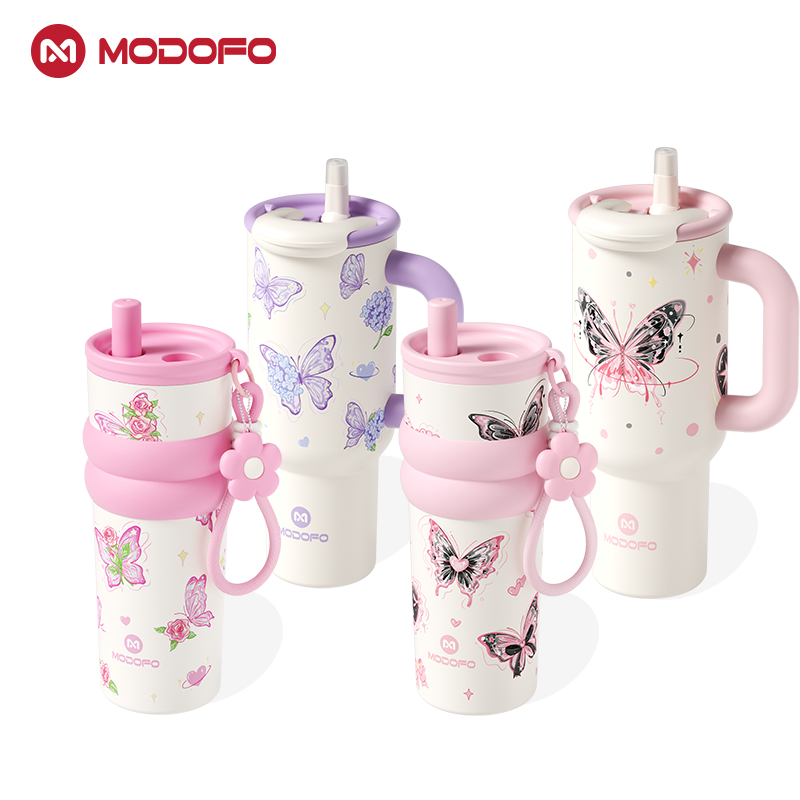


Dahulu, konsumen membeli botol air seperti membeli pulpen—mengambil sesuatu yang praktis, menggunakannya sampai rusak atau hilang, lalu mengulanginya. Era itu akan segera berakhir. Keluarga dan para profesional kini memperlakukan produk hidrasi sebagai aset jangka panjang, bukan lagi aksesori sekali pakai. Kekhawatiran seputar kesehatan, mikroplastik, BPA, daya tahan, dan dampak lingkungan telah membuat satu pertanyaan sederhana menjadi sangat strategis:
Bagaimana Anda tahu apakah botol air minum benar-benar "sepadan dengan harganya"?
Jawabannya bukanlah firasat atau tebakan buta. Itu adalah kerangka kerja.
Produk hidrasi modern dapat dievaluasi dengan daftar periksa tingkat profesional yang disusun berdasarkan bahan, pengerjaan, keamanan, kinerja, daya tahan, dan biaya kepemilikan. Anda tidak hanya membeli botol—Anda membeli pengalaman, masa pakai, dan kepastian bahwa botol tersebut tidak akan mengecewakan Anda setelah enam bulan.
Artikel ini membangun model evaluasi yang lengkap. Tujuannya bukan untuk mempromosikan produk tertentu. Tujuannya adalah untuk membantu keluarga dan para profesional membeli dengan jelas, percaya diri, dan dengan mempertimbangkan nilai jangka panjang. Sepanjang pembahasan, kami menyoroti bagaimana merek seperti MODOFO mengintegrasikan daya tahan, transparansi, dan keberlanjutan sebagai bagian dari DNA produk—bukan sekadar bahasa pemasaran tambahan.
1. Pola Pikir Pembeli Modern: Botol Air Minum Telah Berevolusi Menjadi Aset Jangka Panjang
Satu dekade lalu, botol air hanyalah pembelian kecil. Kini, botol air berada di persimpangan tiga ekspektasi konsumen yang meningkat:
-
Kesehatan dan keselamatan:
Keluarga tidak menginginkan BPA, BPS, bau aneh, atau lapisan yang meragukan di dekat minuman sehari-hari mereka. -
Pertunjukan:
Perjalanan pulang pergi yang panjang, olahraga, waktu di luar ruangan, dan rutinitas kerja hibrida membutuhkan isolasi yang tahan lama dan keandalan anti bocor. -
Keberlanjutan:
Konsumen semakin lebih menyukai produk yang dapat digunakan kembali, didaur ulang, dan tahan lama yang secara nyata mengurangi limbah.
Dengan harga yang berkisar antara $5 hingga $60, perbedaan harga tersebut menimbulkan kebingungan. Namun, harga saja tidak cukup menjelaskan segalanya. Nilai berasal dari hubungan antara biaya, kinerja, dan masa pakai —apa yang disebut bisnis sebagai TCO , atau Total Cost of Ownership (Total Biaya Kepemilikan).
Mari kita buat modelnya.
2. Model Nilai: TCO + Kinerja + Kesesuaian
Nilai sebuah botol air bergantung pada tiga variabel:
TCO: Total Biaya Kepemilikan
Ini termasuk:
- Harga pembelian
- Frekuensi penggantian
- Kebutuhan perawatan
- Biaya aksesori atau suku cadang
- Daya tahan dan masa pakai
Botol seharga $12 yang diganti setiap 6 bulan sebenarnya lebih mahal daripada botol seharga $32 yang digunakan selama 3 tahun.
Pertunjukan
Ini mencakup atribut yang dapat diukur:
- Retensi suhu
- Kinerja anti bocor
- Ketahanan terhadap bau
- Kenyamanan dan ergonomi
- Kepatuhan keselamatan
- Kemudahan pembersihan
Botol yang bocor di dalam ransel anak atau kehilangan panas setelah dua jam otomatis dianggap tidak berkualitas.
Bugar
Kegunaan sebuah botol bergantung pada konteksnya:
- Anak-anak vs orang dewasa
- Kantor vs luar ruangan
- Bepergian vs di rumah
- Minuman panas vs minuman dingin
Botol yang "sempurna" itu tidak ada. Yang ada adalah pasangan yang sempurna .
Tiga serangkai ini—biaya, kinerja, dan kesesuaian—adalah tulang punggung evaluasi nilai. Selanjutnya, kita akan memecahnya menjadi delapan indikator profesional.
3. Indikator 1: Kualitas dan Tingkat Material
Tidak ada yang lebih memengaruhi umur pakai botol air selain bahan pembuatannya. Dan di sini, perbedaannya sangat mencolok.
Baja Tahan Karat (304 vs 316)
- Baja tahan karat 304 adalah standar industri: tahan korosi, aman untuk makanan, dan tahan lama.
- Baja tahan karat 316 menambahkan molibdenum, meningkatkan ketahanan terhadap air garam dan kekokohan secara keseluruhan; ideal untuk pengguna luar ruangan atau keluarga di iklim lembap.
- Ketebalan itu penting. Baja tipis mudah penyok, merusak isolasi, dan memperpendek masa pakai.
Plastik (Tritan vs PP vs PC)
- Tritan : Bebas BPA, tahan lama, tahan bau; pilihan terbaik di antara berbagai jenis plastik.
- PP (Polipropilen) : ringan, aman, tetapi kurang tahan lama.
- PC (Polikarbonat) : kuat tetapi secara tradisional dikaitkan dengan BPA; banyak konsumen menghindarinya.
Pelapis dan Lapisan
Inilah medan pertempuran tersembunyi:
- Merek yang lebih murah menggunakan cat yang mudah aus atau lapisan yang tidak diketahui jenisnya yang mudah terkelupas dalam hitungan bulan.
- Botol berkualitas tinggi (termasuk MODOFO) menggunakan lapisan yang lebih tahan lama dan aman untuk makanan, yang dirancang untuk penggunaan bertahun-tahun.
Material = keamanan + daya tahan + kinerja jangka panjang.
Jika kualitas material terganggu, maka semua hal lainnya hanyalah gangguan.
4. Indikator 2: Kinerja Termal (Retensi Panas dan Dingin)
Isolasi bukanlah sihir—melainkan rekayasa.
Produsen yang baik menerbitkan kurva suhu aktual , bukan klaim yang samar seperti "tetap dingin sepanjang hari."
Yang benar-benar penting:
- Pertunjukan selama 6 jam
- Pertunjukan 12 jam
- Pertunjukan 24 jam
Bagi keluarga yang menghabiskan waktu lama di luar rumah pada akhir pekan, performa konsisten selama 12 jam adalah tolok ukur yang sebenarnya.
Apa yang menentukan kualitas isolasi?
- Integritas vakum dinding ganda
- Ketebalan baja seragam
- Pengelasan tanpa sambungan sebagai pengganti pengelasan titik.
- Segel silikon berkualitas tinggi
- Pelapisan tembaga internal pada botol premium
Botol yang lebih murah seringkali berfungsi baik pada hari pertama tetapi kehilangan kemampuan isolasi panas setelah berbulan-bulan karena:
- Kebocoran mikro di ruang vakum
- Penyok yang merusak isolasi
- Baja berkualitas rendah menipis seiring waktu
Merek yang terpercaya berinvestasi dalam konsistensi struktural agar pengguna tidak merasakan penurunan kinerja pada bulan ke-12.
MODOFO, misalnya, mendesain botol-botolnya untuk mempertahankan efisiensi insulasi sepanjang masa pakainya, bukan hanya selama musim penggunaan pertama.
5. Indikator 3: Rekayasa Anti Bocor
Botol yang bocor bukan hanya merepotkan—tetapi juga sebuah kegagalan.
Tekanan, gerakan, dan perubahan suhu terus-menerus memberi tekanan pada segel. Botol yang baik harus tetap kedap bocor dalam kondisi:
- Membawa barang setiap hari
- Tekanan ransel
- Penempatan horizontal
- Ekspansi akibat panas
- Siklus buka/tutup berulang
Fitur anti bocor utama:
- Cincin silikon berkualitas tinggi untuk makanan , bukan karet daur ulang.
- Gasket yang tebal dan tahan lama
- Ulir penutup yang diperkuat
- Desain engsel yang aman untuk penutup model flip-top.
- Penyegelan bertahap untuk tutup sedotan
Botol tersebut seharusnya tetap anti bocor bahkan setelah enam bulan penggunaan , bukan hanya pada hari pertama.
Di sinilah merek-merek yang sudah lama berdiri membedakan diri—mereka mendesain untuk daya tahan, bukan untuk daya tarik di rak toko.
6. Indikator 4: Daya Tahan dan Ketahanan Aus
Daya tahan mencakup integritas struktural, ketahanan terhadap penyok, umur cat yang panjang, dan ketahanan terhadap kelelahan pada bagian yang bergerak.
Kegagalan daya tahan umum pada botol murah:
- Penyok akibat jatuh ringan
- Cat mengelupas
- Tutupnya retak
- deformasi jerami
- Engsel rusak
- Melengkung akibat cairan panas
Apa yang ditunjukkan oleh botol tahan lama:
- Baja dengan ketebalan lebih besar
- Lapisan bertekstur yang menyamarkan goresan.
- Geometri struktural tahan benturan
- Komponen yang dapat diganti (sedotan, segel, tutup)
- Engsel dan sambungan yang telah diuji ketahanannya
Daya tahan merupakan faktor pengali dalam persamaan TCO (Total Cost of Ownership).
Masa pakai produk yang panjang secara dramatis menurunkan biaya per tahun.
Merek seperti MODOFO berfokus pada rekayasa siklus hidup—setiap komponen dirancang untuk penggunaan nyata yang berdampak tinggi, terutama di keluarga dengan anak-anak.
7. Indikator 5: Kebersihan, Pengendalian Bau, dan Kemudahan Pembersihan
Botol bisa terbuat dari bahan berkualitas tinggi tetapi tetap bisa memerangkap bakteri jika desainnya buruk.
Indikator kebersihan utama:
- Bukaan mulut lebar
- Dinding bagian dalam yang halus
- Gasket yang dapat dilepas
- Sistem sedotan yang dapat dibongkar sepenuhnya
- Celah minimal tempat residu terkumpul
Botol berkualitas rendah seringkali mengandalkan struktur plastik yang kompleks yang memerangkap kelembapan, sehingga menghasilkan bau yang tidak sedap.
Botol-botol kelas atas menekankan kesederhanaan dan geometri yang bersih untuk mendukung kebersihan.
Keluarga sangat diuntungkan dengan botol yang mudah dibersihkan, karena anak-anak cenderung mencampur minuman, membiarkan botol tertutup dalam waktu lama, dan lupa membilasnya hingga bersih.
8. Indikator 6: Keselamatan dan Kepatuhan
Keselamatan adalah hal yang tidak bisa ditawar.
Sertifikasi penting meliputi:
- Badan Pengawas Obat dan Makanan (FDA)
- LFGB (Jerman)
- EU 10/2011 (peraturan plastik yang bersentuhan dengan makanan)
- Konfirmasi bebas BPA
- Pengujian logam berat untuk baja tahan karat
- Jaminan bebas ftalat
Tantangannya? Banyak penjual berbiaya rendah hanya mengklaim mematuhi peraturan tanpa dokumentasi yang sebenarnya.
Konsumen harus memperhatikan:
- Laporan pengujian yang dapat dilacak
- Tanggal sertifikasi dan ID batch
- Pengungkapan materi
- Transparansi merek terkait kepatuhan
Merek berkelanjutan seperti MODOFO secara terbuka membagikan spesifikasi material dan memastikan penggunaan komponen yang sesuai standar pangan secara konsisten di seluruh batch produksi, bukan hanya pada sampel pemasaran.
9. Indikator 7: Pengalaman Pengguna (Ergonomi + Desain Praktis)
UX adalah tempat di mana rekayasa bertemu dengan kehidupan nyata.
Pertanyaan-pertanyaan yang menentukan kinerja botol dalam penggunaan sehari-hari:
- Apakah pegangannya nyaman untuk tangan kecil dan besar?
- Apakah tutupnya bisa dibuka dengan mudah menggunakan satu tangan?
- Seberapa mudah bagi seorang anak untuk minum tanpa tumpah?
- Apakah botolnya terlalu berat untuk dibawa setiap hari?
- Apakah sedotan tersebut memberikan aliran yang cukup?
- Apakah botol ini muat di tempat gelas, ransel, atau kotak bekal?
Botol dengan bahan berkualitas tinggi tetapi desain yang buruk tidak dapat dianggap bernilai tinggi.
Merek-merek terbaik menguji prototipe dengan keluarga sungguhan, para komuter, atlet, dan anak-anak sebelum mengambil keputusan desain akhir.
10. Indikator 8: Keandalan Merek dan Dukungan Purna Jual
Dalam produk hidrasi, kepercayaan merek bukan soal ketenaran—melainkan soal konsistensi.
Tanda-tanda utama merek yang dapat dipercaya:
- Kualitas stabil di seluruh batch produksi.
- Bahan dan pengujian yang transparan
- Dukungan pelanggan yang responsif
- Akses ke suku cadang pengganti
- Peta jalan produk multi-tahun
- Upaya keberlanjutan yang terlihat
- Pelanggan setia dengan umpan balik nyata
Merek-merek terpercaya memperlakukan botol air sebagai aset konsumen jangka panjang, bukan barang musiman yang cepat laku.
Inilah posisi MODOFO: memprioritaskan desain yang tahan lama, nilai siklus hidup, dan kualitas material yang transparan.
11. Alat Praktis: Kartu Skor Nilai Botol Air Rumah Tangga
Jika Anda menginginkan cara praktis untuk membandingkan produk, berikut adalah kartu skor sederhana berisi 60 poin:
Bahan: 10
Kinerja termal: 10
Performa anti bocor: 8
Daya tahan: 10
Kebersihan & perawatan: 8
Keselamatan & kepatuhan: 6
Pengalaman UX: 6
Keandalan merek: 6
Skor 48+: premium, nilai jangka panjang
Skor 40–48: pilihan yang baik dan dapat diandalkan
Skor 30–40: dapat diterima tetapi ada kompromi yang perlu dilakukan
Skor <30: hindari
Kerangka kerja ini menghilangkan spekulasi dan mendasarkan evaluasi pada kriteria objektif.
12. Studi Kasus: Seperti Apa “Nilai Sejati” Itu?
Kasus A: Botol Berbiaya Rendah
- Plastik murah, dinding tipis
- Isolasi yang kuat sejak hari pertama
- Kehilangan kemampuan menahan panas dalam beberapa bulan.
- Paking mengendur
- Serpihan cat
- Bau yang terperangkap
- Perlu diganti 2-3 kali setahun
TCO: Lebih tinggi dari yang diperkirakan
Kepuasan pengguna: Rendah
Dampak lingkungan: Buruk
Kasus B: Botol Premium yang Harganya Terlalu Mahal
- Bahan premium
- Isolasi yang sangat baik
- Daya tahan yang baik
- Namun harganya terlalu mahal untuk performa sebenarnya di dunia nyata.
- Harga aksesoris sama mahalnya dengan botol baru.
TCO: Mahal
Kepuasan pengguna: Sedang
Nilai: Tidak Merata
Kasus C: Nilai Cerdas dan Berkelanjutan (Filosofi Desain Tingkat MODOFO)
- Baja 304/316 kelas makanan
- Retensi termal yang stabil sepanjang masa pakai.
- Geometri tahan benturan
- Aksesori yang dapat diganti
- Lapisan yang aman
- Mudah dibersihkan
- Sertifikasi keselamatan yang transparan
TCO: Rendah (umur pakai panjang)
Kepuasan pengguna: Tinggi
Dampak lingkungan: Sangat positif
Inilah yang dimaksud dengan "berharga".
13. Bagaimana MODOFO Membangun Nilai dalam Botol Airnya
Ini bukan iklan—ini adalah filosofi struktural di balik keputusan desain:
Transparansi Material
MODOFO mengungkapkan jenis baja dan teknologi pelapisan yang tepat, alih-alih bersembunyi di balik deskripsi umum.
Teknik Berkelanjutan
Material yang tahan lama dan penggantian yang lebih jarang = jejak lingkungan yang lebih rendah.
Ketahanan Siklus Hidup
Setiap engsel, gasket, dan sambungan dirancang untuk tahan terhadap penggunaan keluarga di dunia nyata—bukan kondisi ruang pamer.
Standar Kesehatan & Keselamatan
Semua material memenuhi persyaratan kontak makanan internasional. Keamanan sudah terintegrasi, bukan ditambahkan kemudian.
UX yang Berpusat pada Manusia
Pegangan, tutup, laju aliran, dan keseimbangan berat berasal dari pengujian pengguna, terutama dengan keluarga dan para pengguna transportasi umum setiap hari.
Mentalitas Produk Multi-Tahun
MODOFO tidak memperlakukan botol sebagai barang konsumsi sekali pakai. Botol-botol ini dirancang sebagai teman jangka panjang.
Nilai diciptakan melalui rekayasa, bukan pemasaran.
14. Kesimpulan: Nilai Sejati Berasal dari Umur Panjang, Keamanan, dan Kepuasan Harian
Botol air adalah benda kecil, tetapi pengaruhnya sangat besar dalam hidup Anda—kesehatan Anda, rutinitas Anda, keluarga Anda, dan pilihan keberlanjutan Anda.
“Penawaran bagus” bukan berarti membayar lebih murah hari ini.
Ini tentang memilih produk yang:
- Melindungi kesehatan Anda
- Berfungsi dengan andal
- Bertahan dalam penggunaan di dunia nyata
- Menghemat uang selama bertahun-tahun
- Mendukung kehidupan berkelanjutan
- Berasal dari merek yang dibangun atas dasar kepercayaan.
Baik Anda memilih produk kelas atas atau produk yang ramah anggaran, kerangka evaluasinya tetap sama. Material, rekayasa, keamanan, daya tahan, perawatan, dan UX adalah pilar nilai jangka panjang.
Dan di dunia yang dibanjiri barang sekali pakai, memilih dengan bijak—memilih secara berkelanjutan—adalah cara yang tenang untuk meningkatkan kehidupan sehari-hari seteguk demi seteguk.